|
the plain tour
Same rooms, no walking. Each title opens a larger copy. Everything on the walls is from somewhere on this site.
The long gallery (pale stone) - Visions of the Daughters of Albion William Blake, 1793. Yale Center for British Art, CC0. on the site
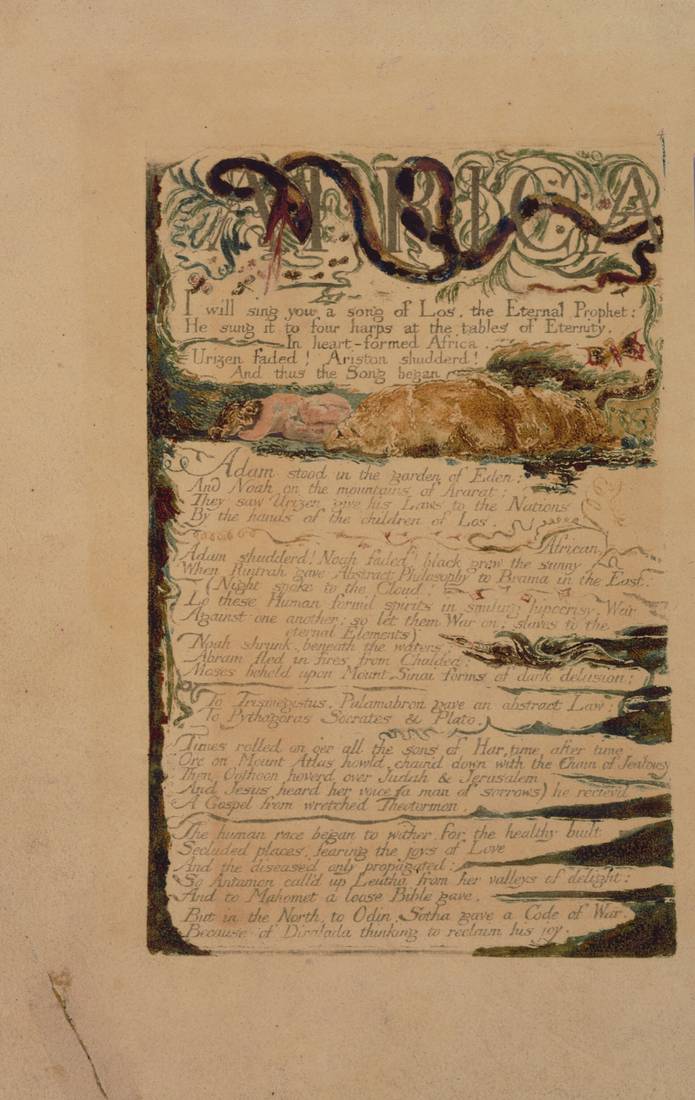
- The Song of Los, plate 3 William Blake, 1795. Library of Congress, public domain. on the site
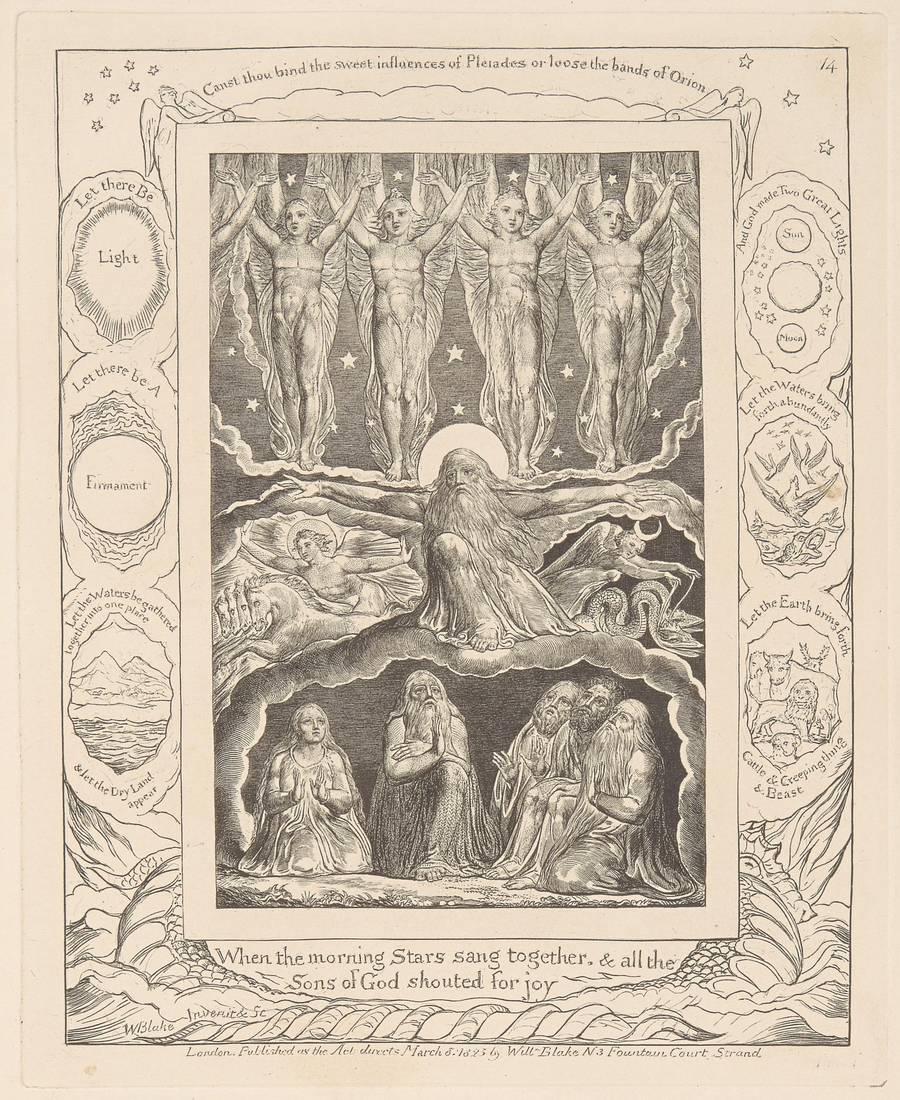
- When the Morning Stars Sang Together William Blake, Book of Job pl. 14, 1825. Yale Center for British Art, CC0. on the site
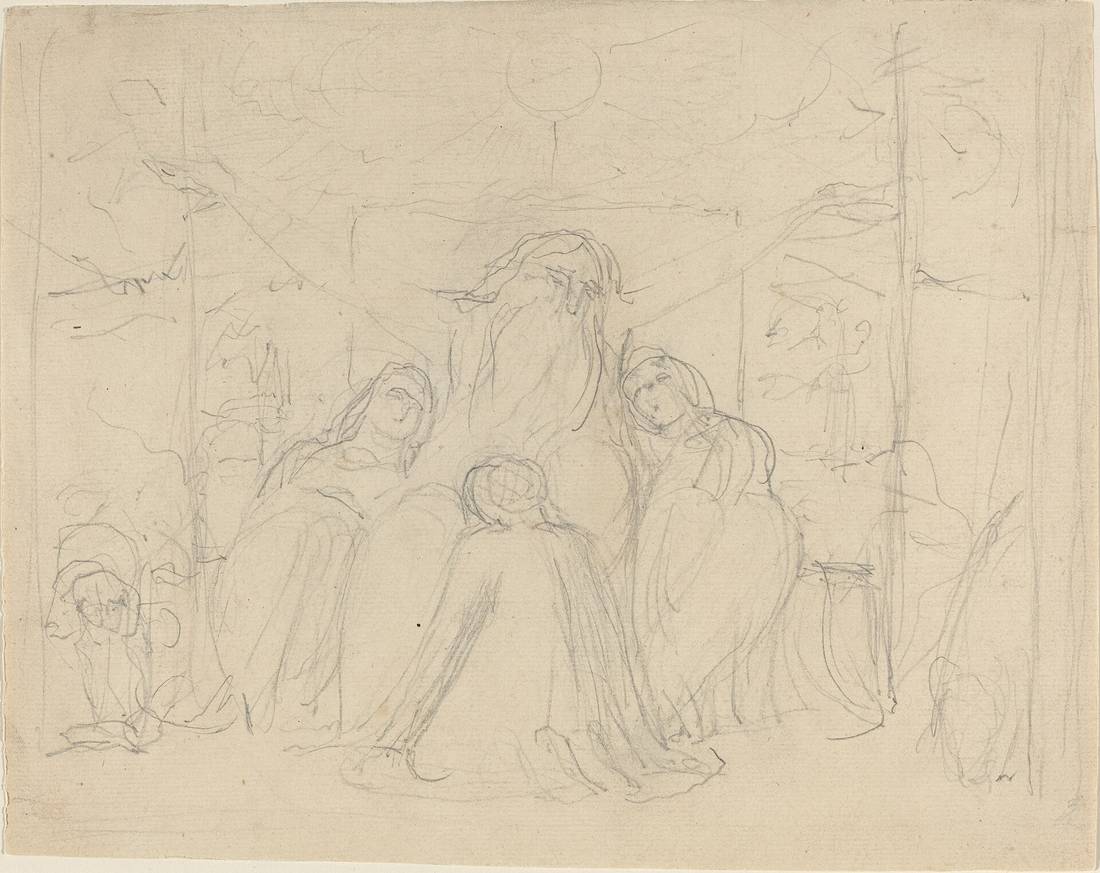
- Job and His Daughters William Blake, c. 1821. National Gallery of Art, Washington, CC0. on the site
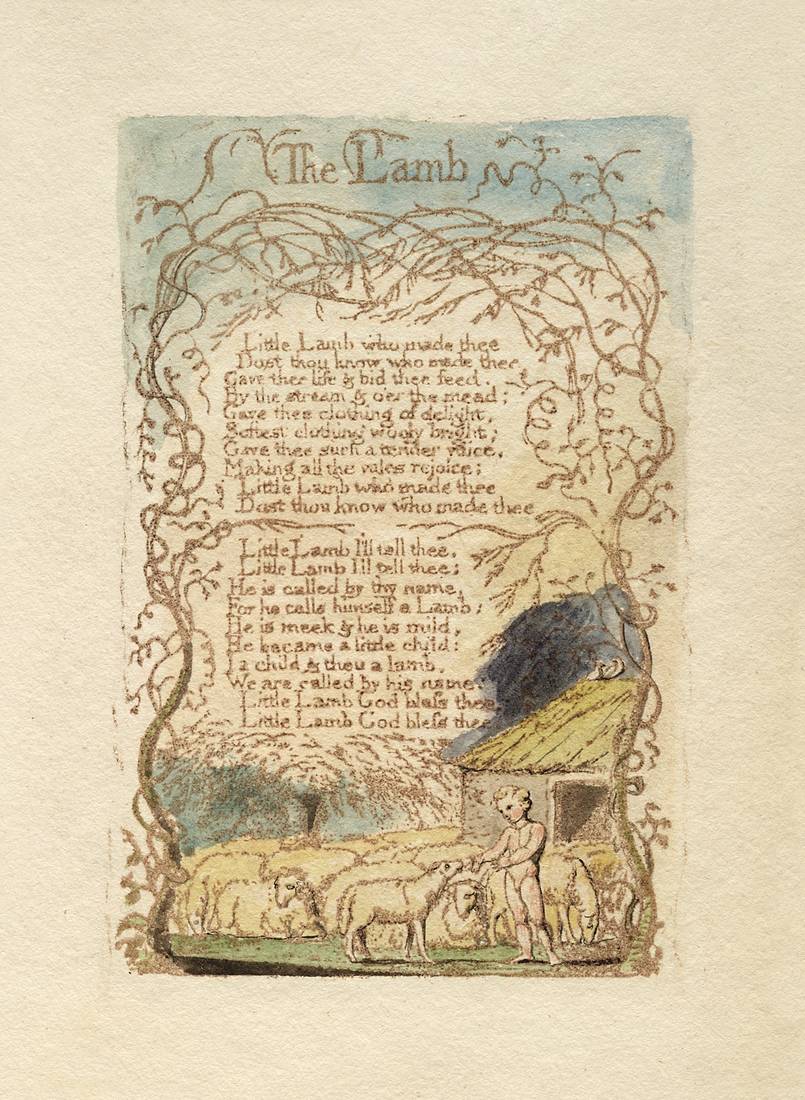
- The Lamb William Blake, Songs of Innocence and of Experience. Library of Congress, public domain. on the site
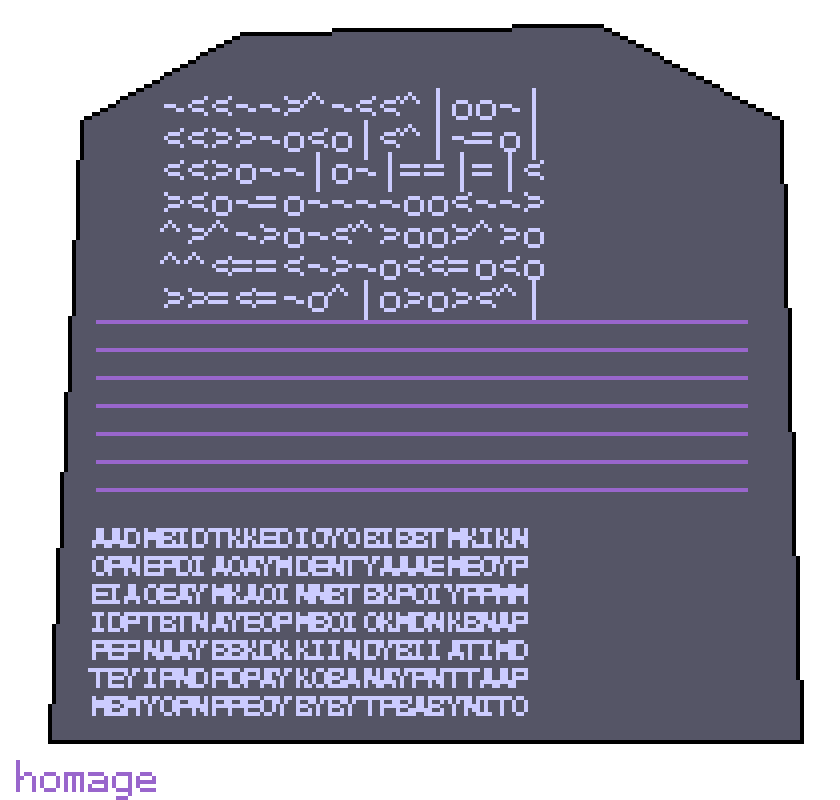
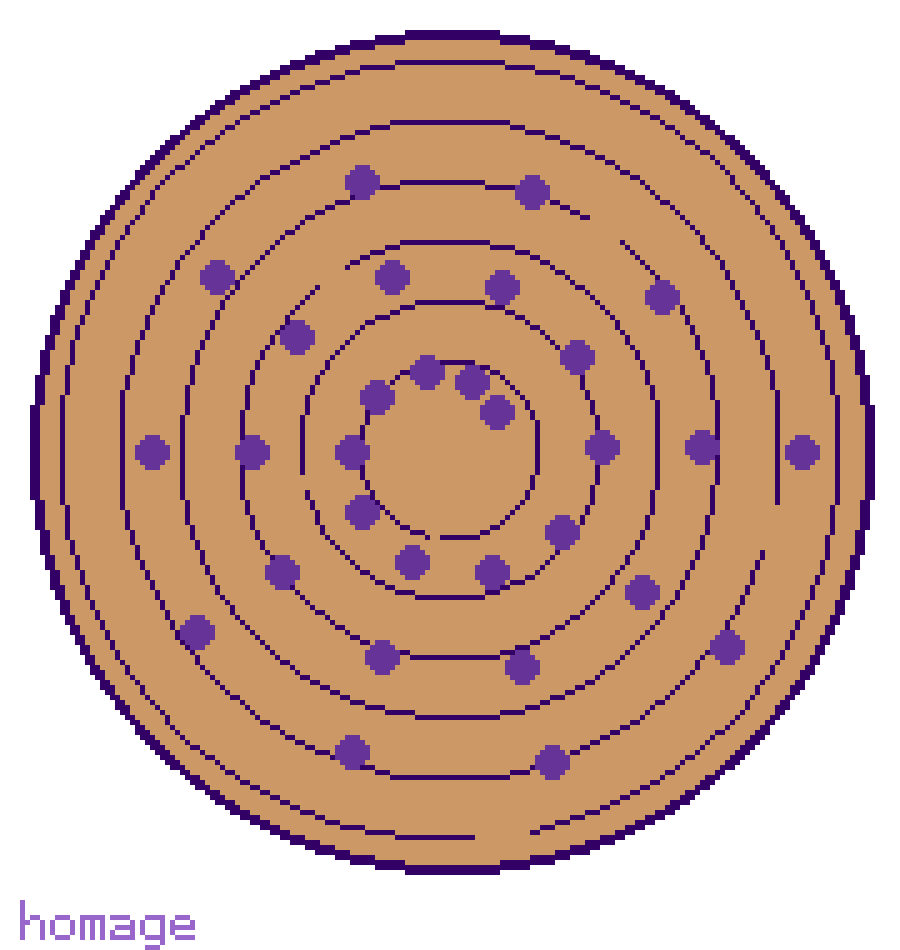
- The Tyger (homage) A pixel homage drawn for this site. The poem: Blake, Songs of Experience, 1794, Gutenberg #574. on the site
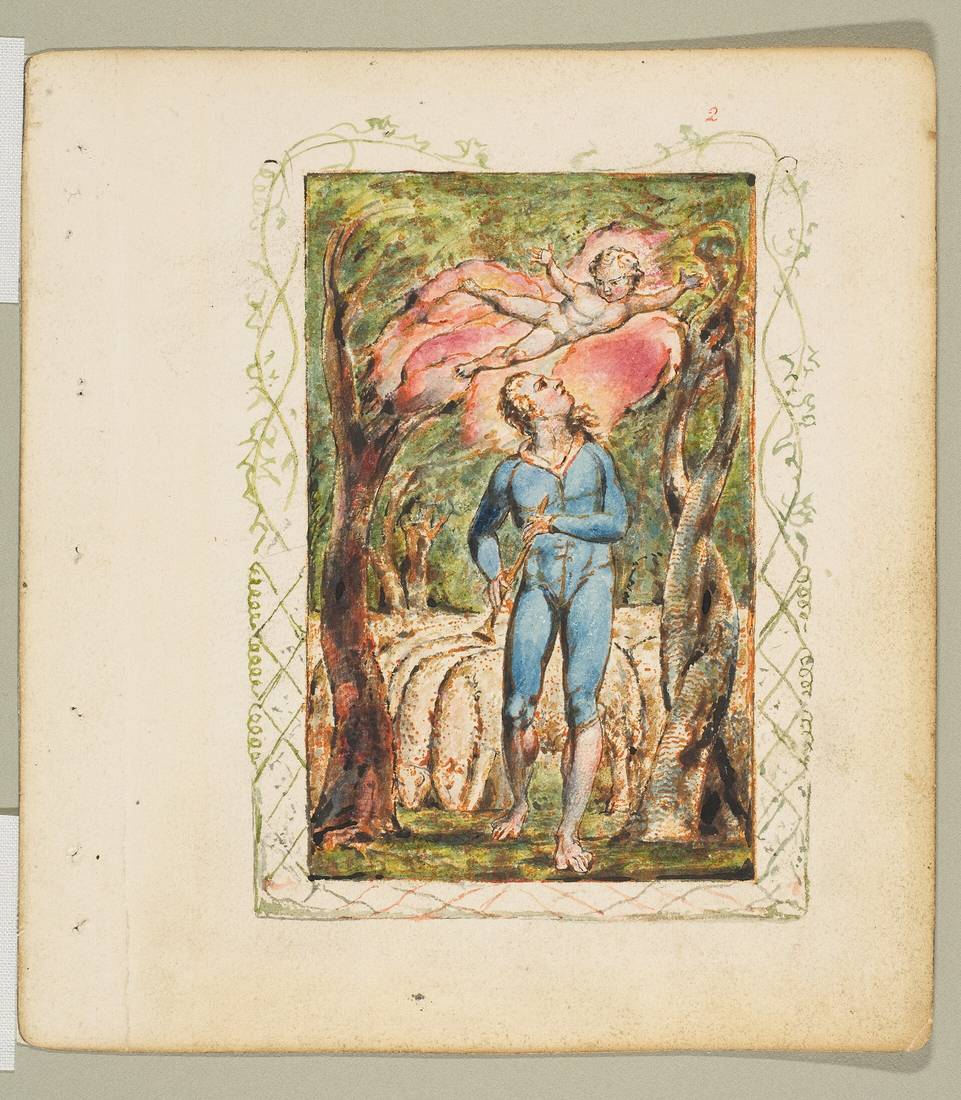
- Songs of Innocence, frontispiece William Blake, c. 1825 impression. The Metropolitan Museum of Art, CC0. on the site
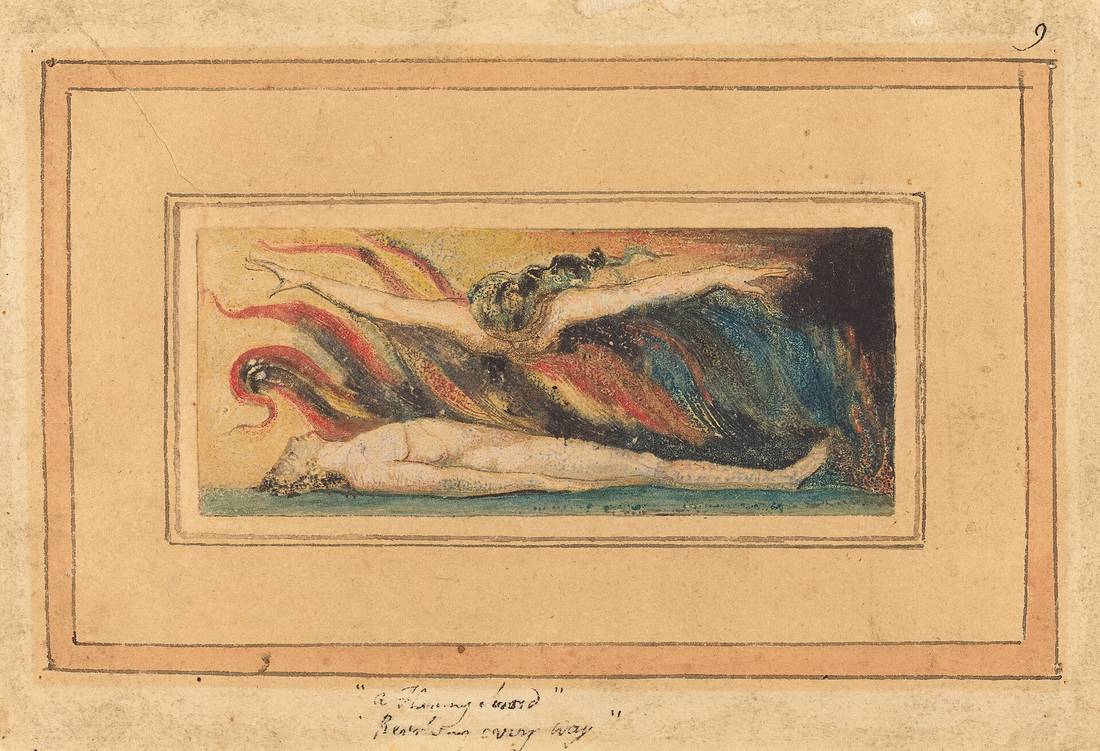
- The Soul Hovering Over the Body William Blake, c. 1796. National Gallery of Art, Washington, CC0. on the site
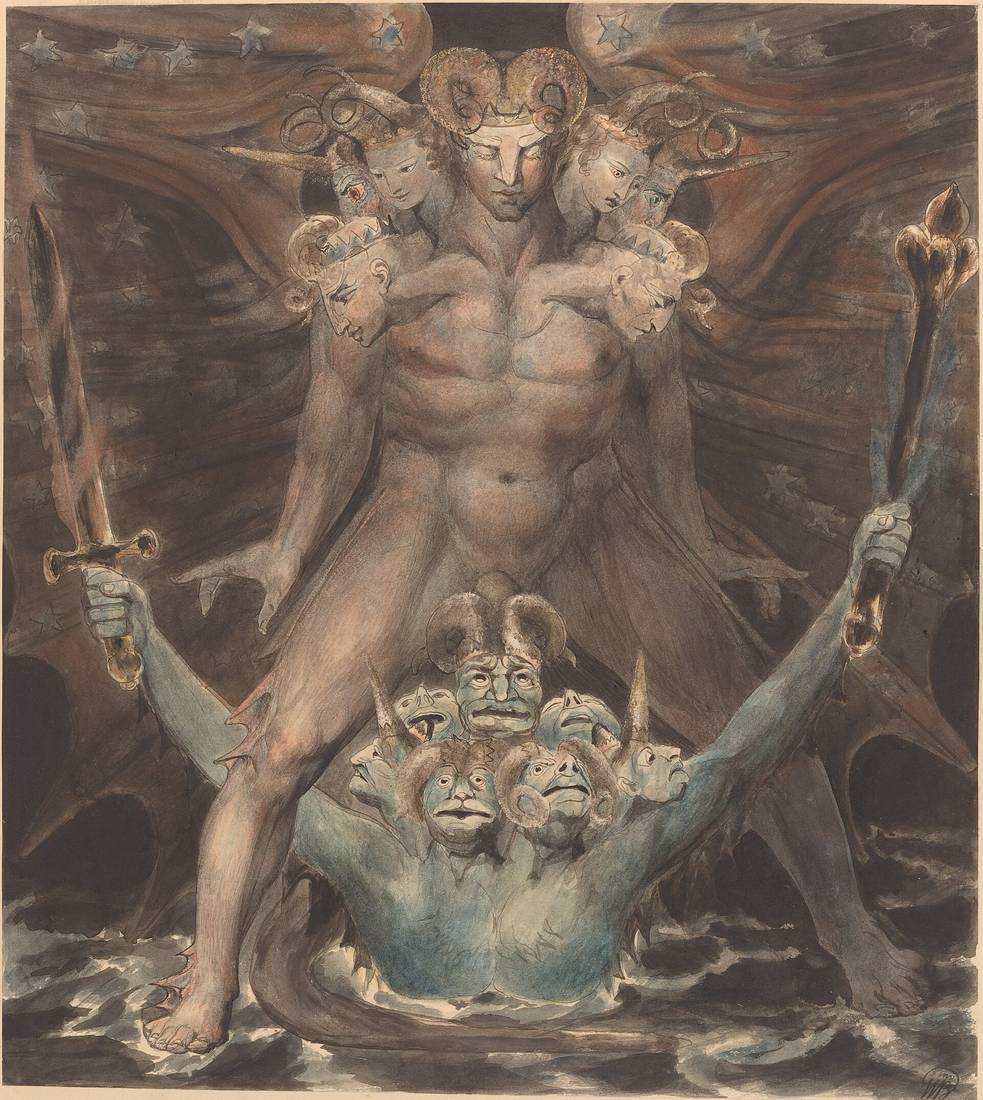
The red room - The Great Red Dragon and the Beast from the Sea William Blake, c. 1805. National Gallery of Art, Washington, CC0. on the site
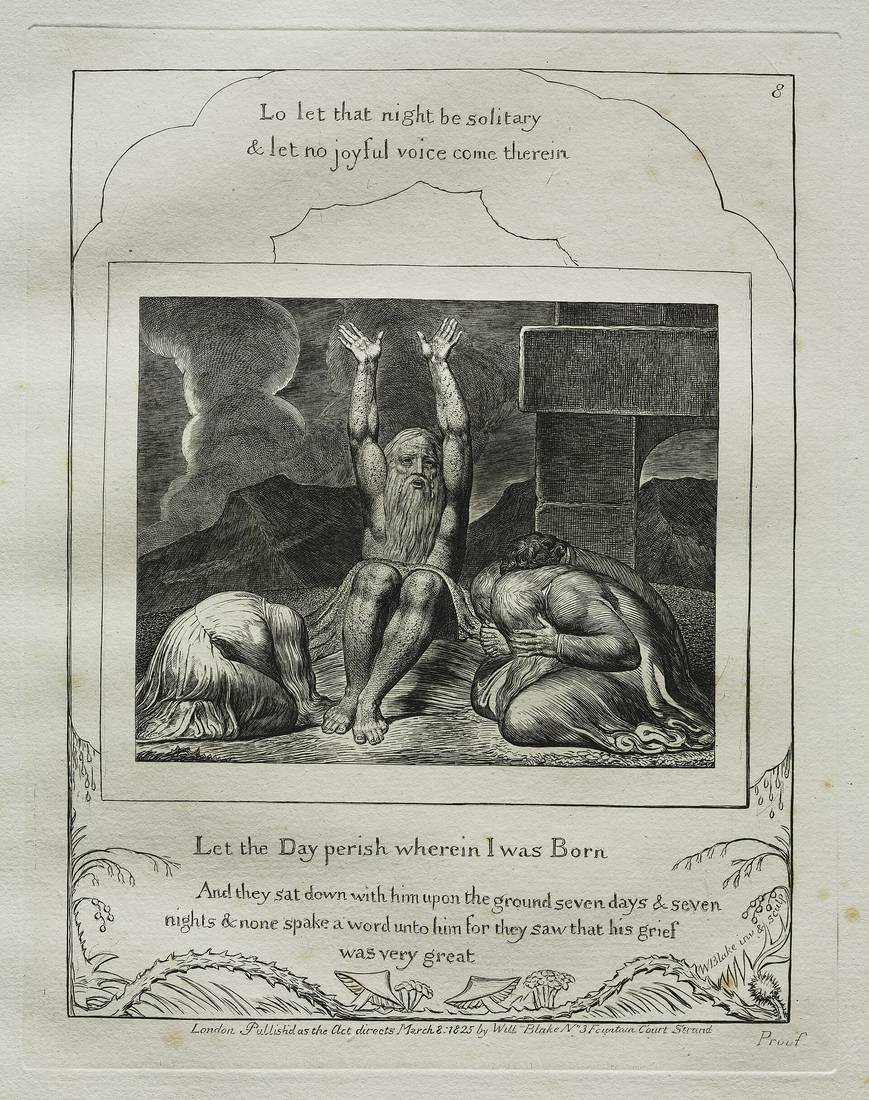
- Let the Day perish wherein I was Born William Blake, Book of Job pl. 8, 1825. Cleveland Museum of Art, CC0. on the site
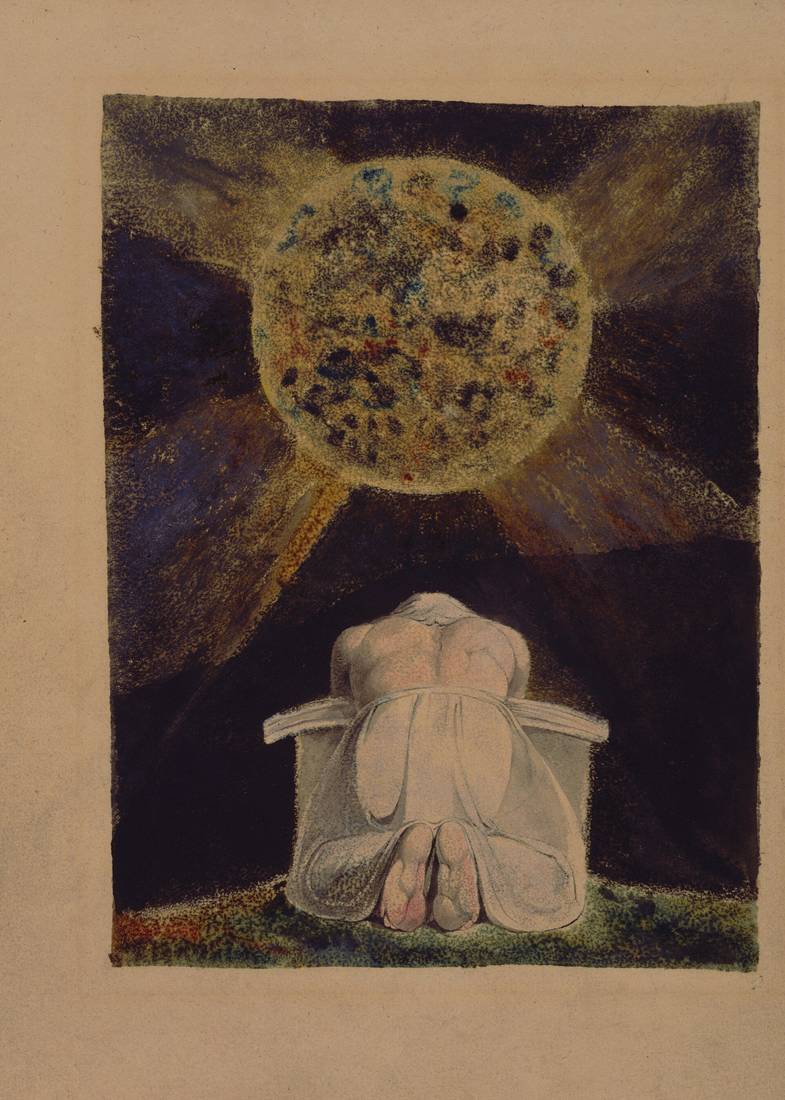
- Sconfitta, frontispiece to The Song of Los William Blake, 1795. Library of Congress, public domain. on the site
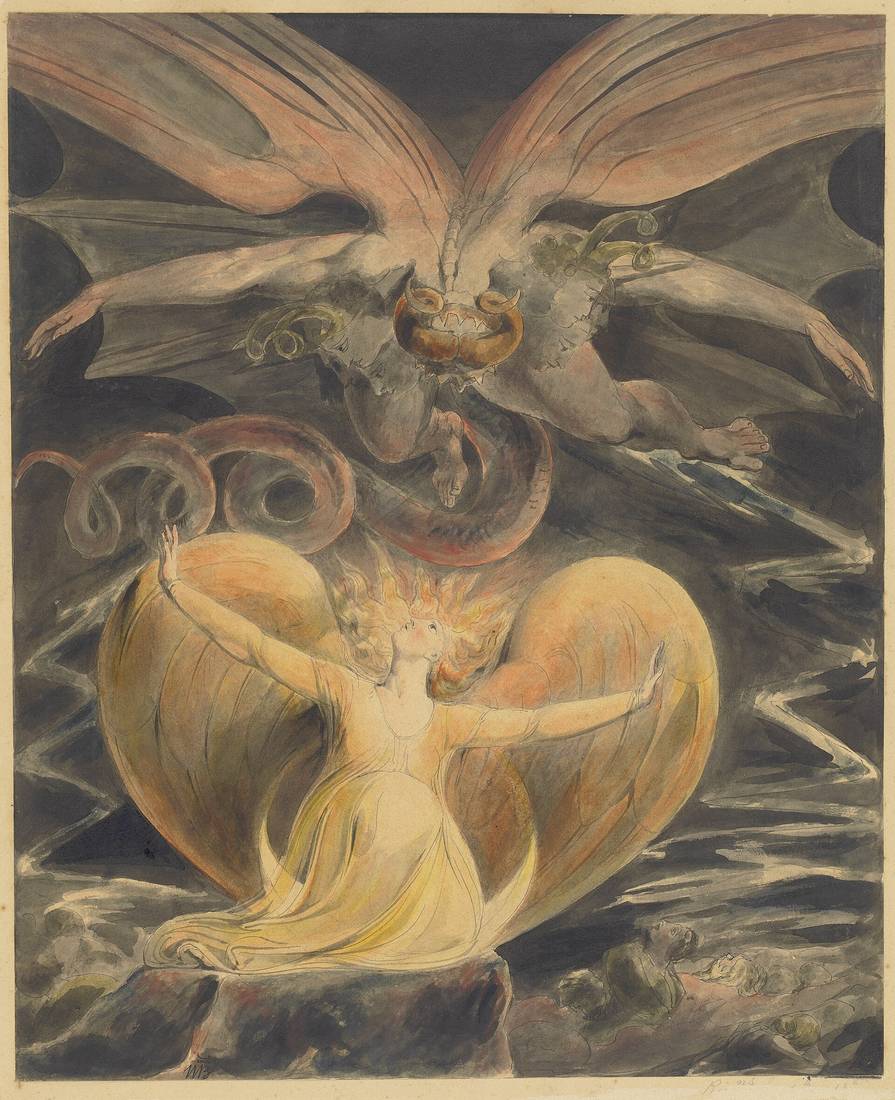
- The Great Red Dragon and the Woman Clothed with the Sun William Blake, c. 1805. National Gallery of Art, Washington, CC0. on the site
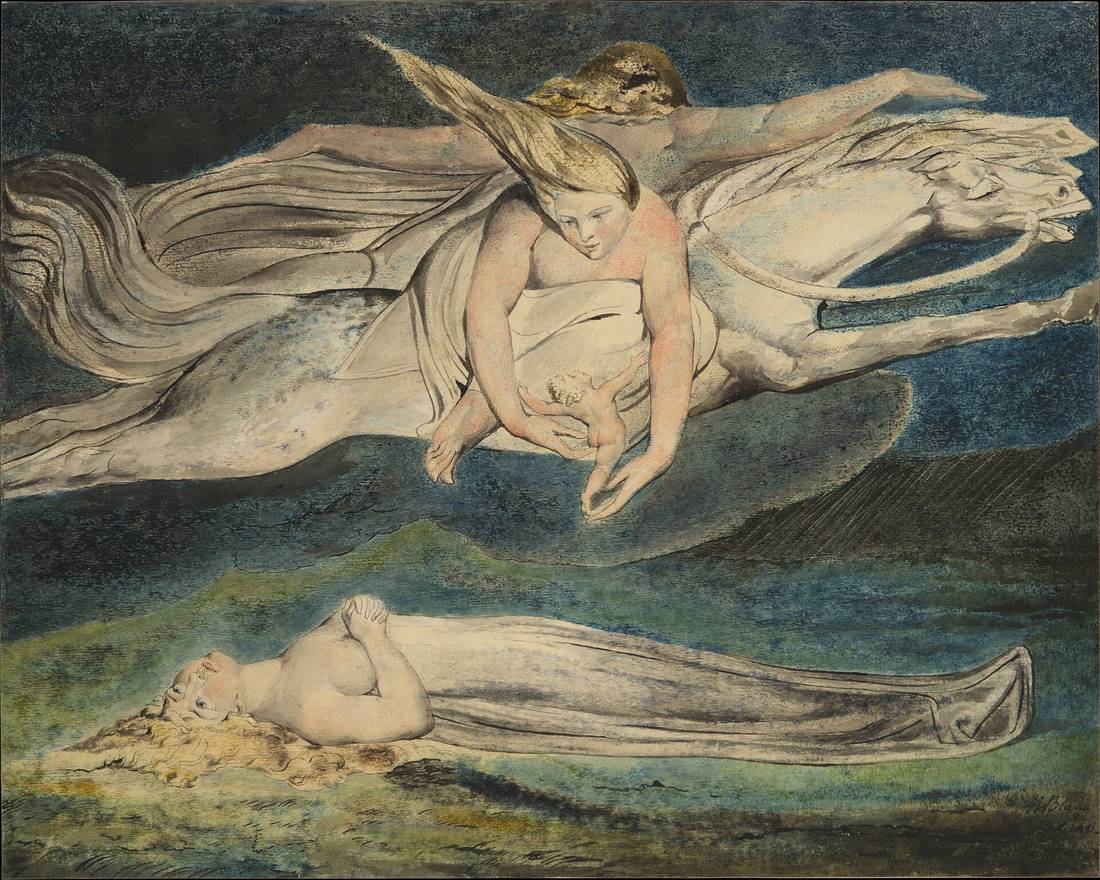
- Pity William Blake, c. 1795. The Metropolitan Museum of Art, CC0. on the site
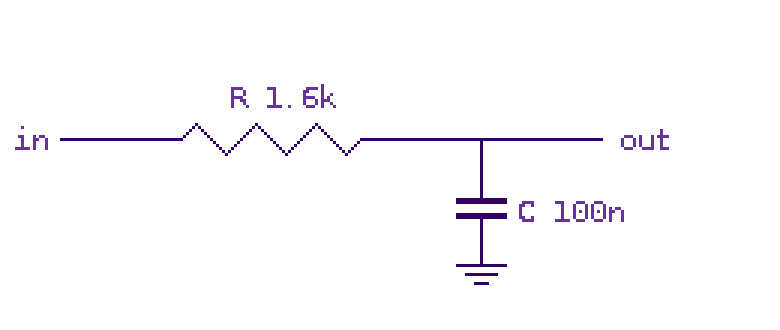
The tiled room - RC low-pass Schematic drawn by script. f_c = 1/(2 pi RC) = 994.7 Hz for 1.6 kOhm and 100 nF; ngspice agrees. on the site
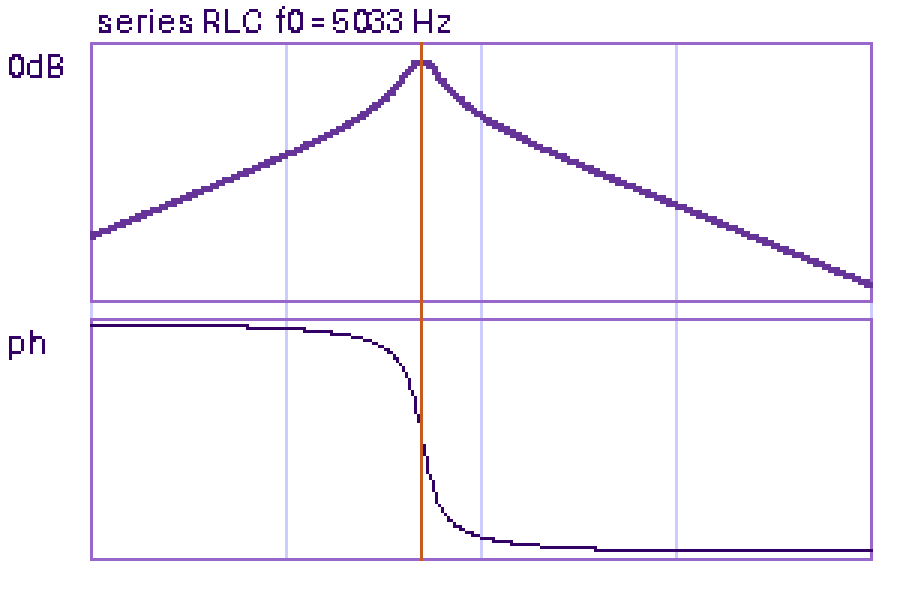
- Series RLC, Bode plot Computed by script: f0 = 5032.9 Hz, Q = 3.162. Cross-checked in ngspice. on the site
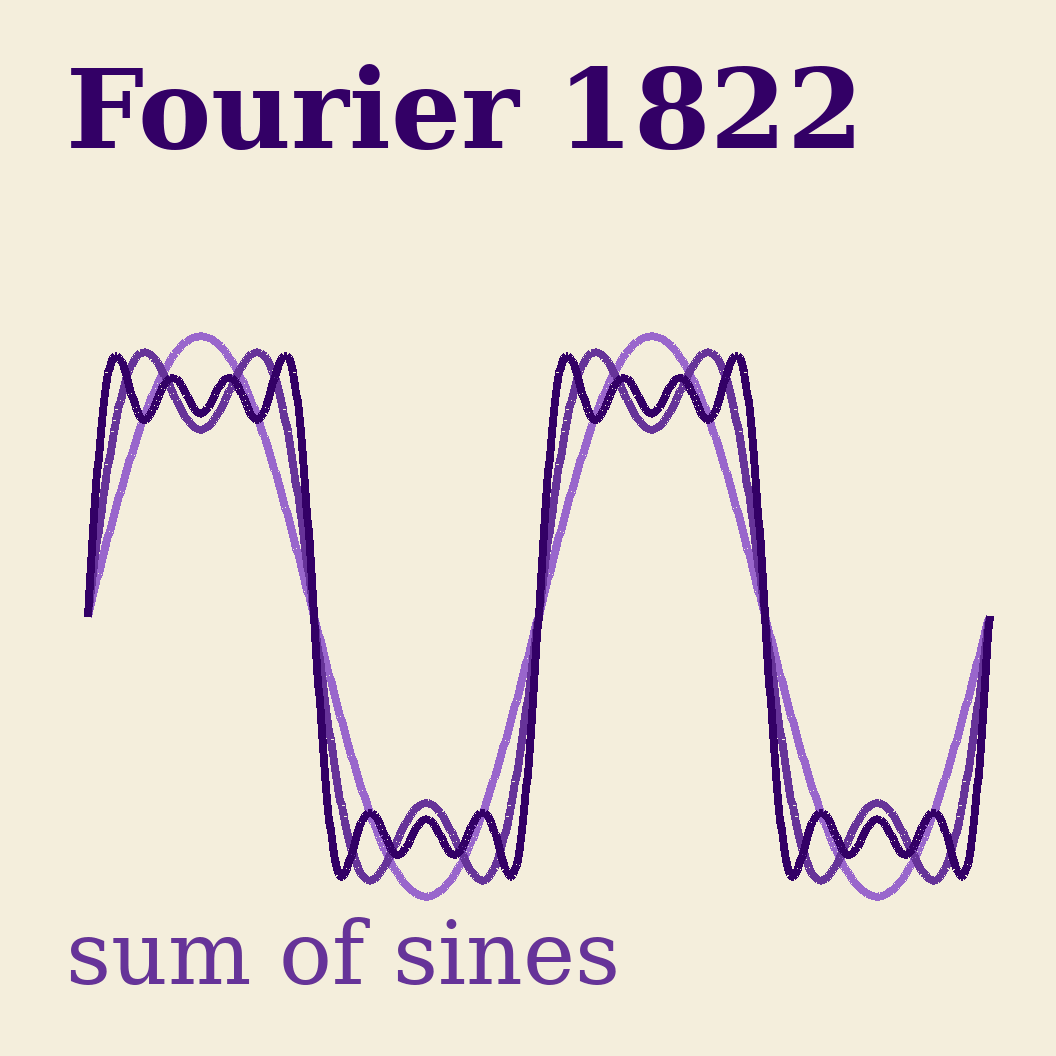
- Fourier, 1822 A square wave built from 1, 2 and 4 odd sines, drawn by script. Theorie analytique de la chaleur, 1822. on the site
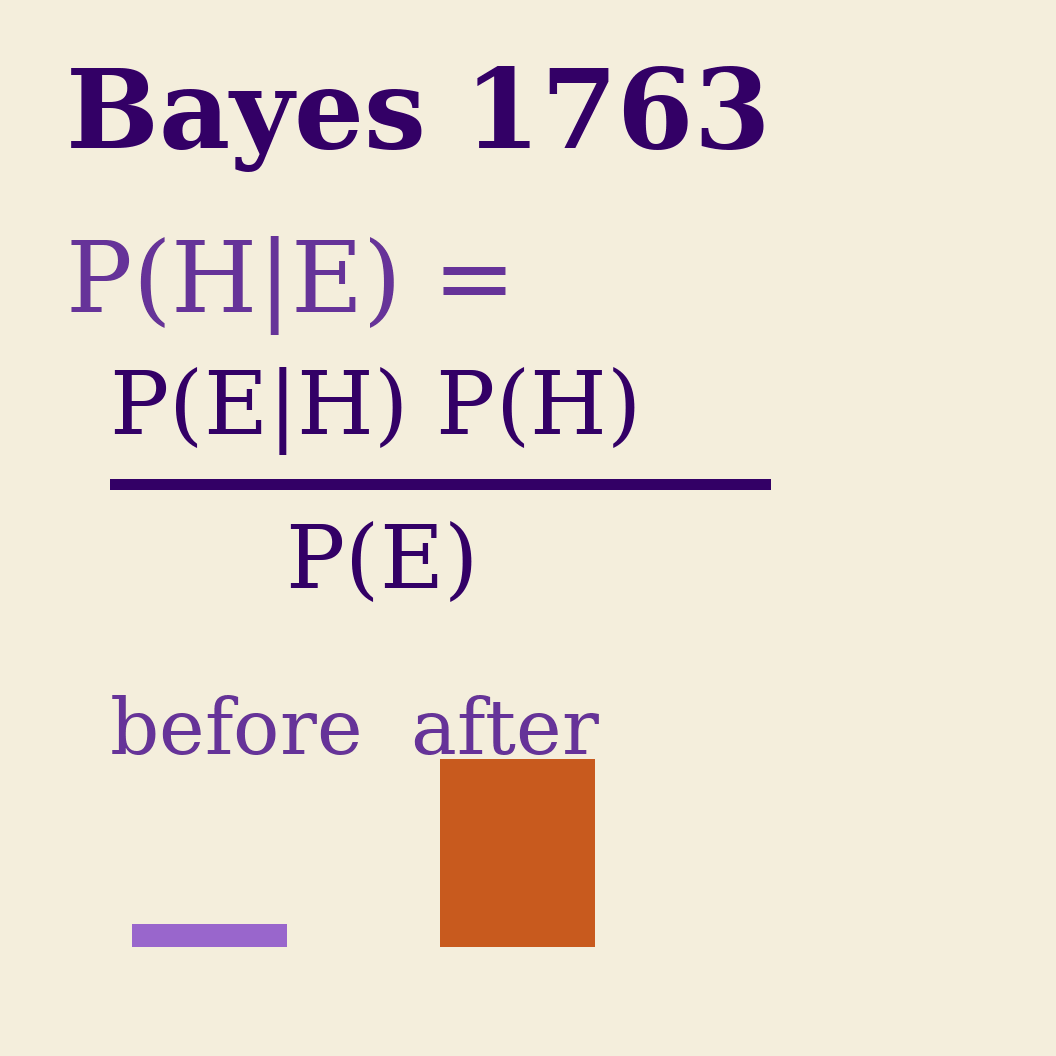
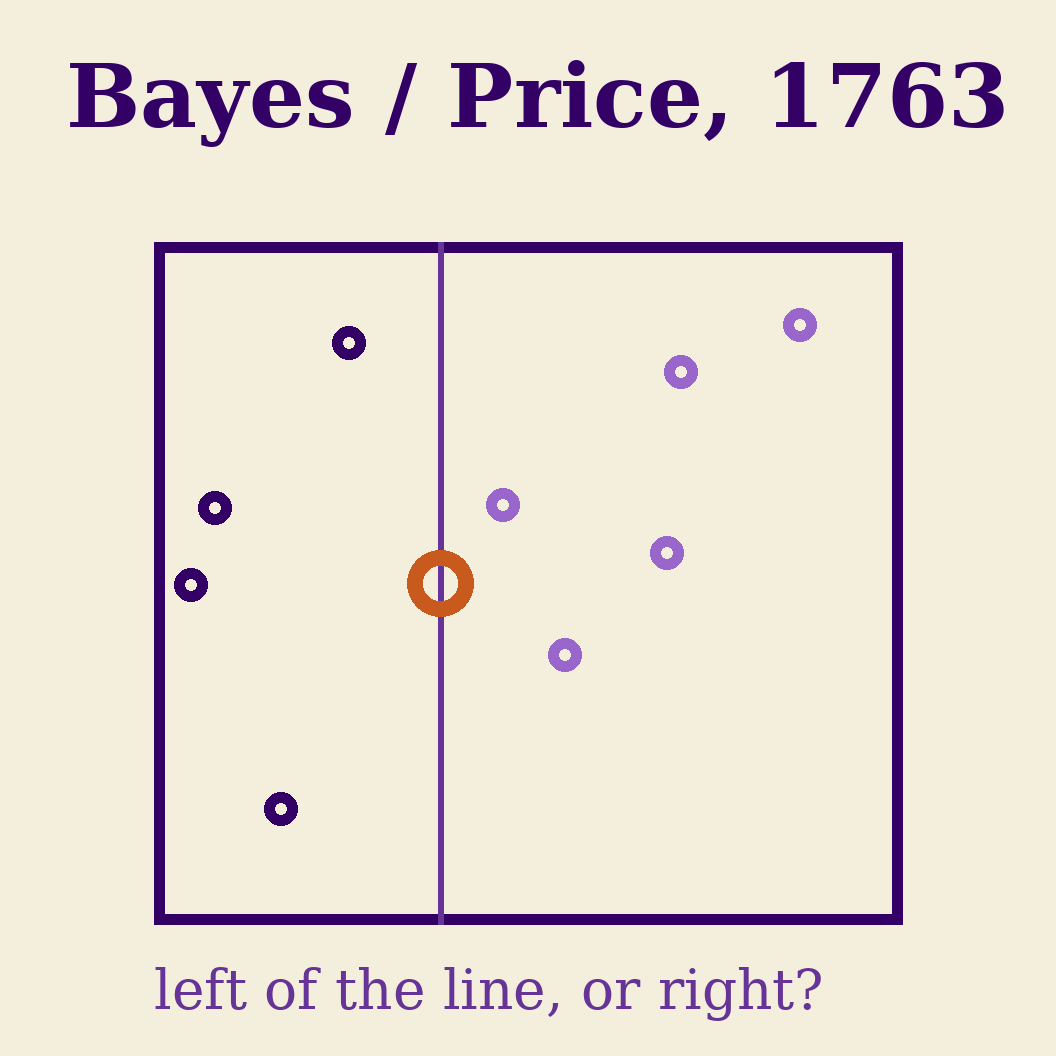
- Bayes, 1763 Essay read to the Royal Society in 1763, after his death. Prior 0.01, posterior about one in six in the worked example. on the site
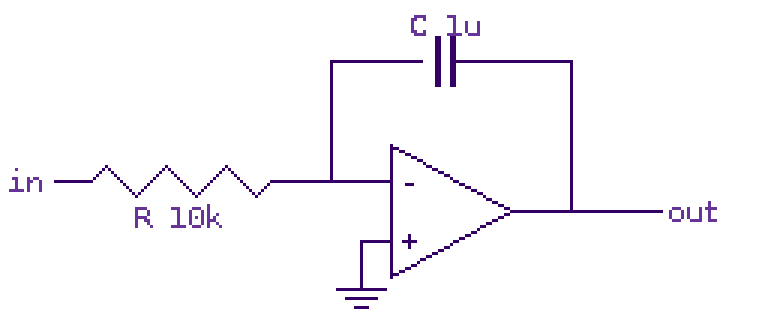
- Op-amp integrator Schematic drawn by script. -100 V/s for 1 V in, R = 10 kOhm, C = 1 uF; ngspice gives -0.9999985 V at 10 ms. on the site
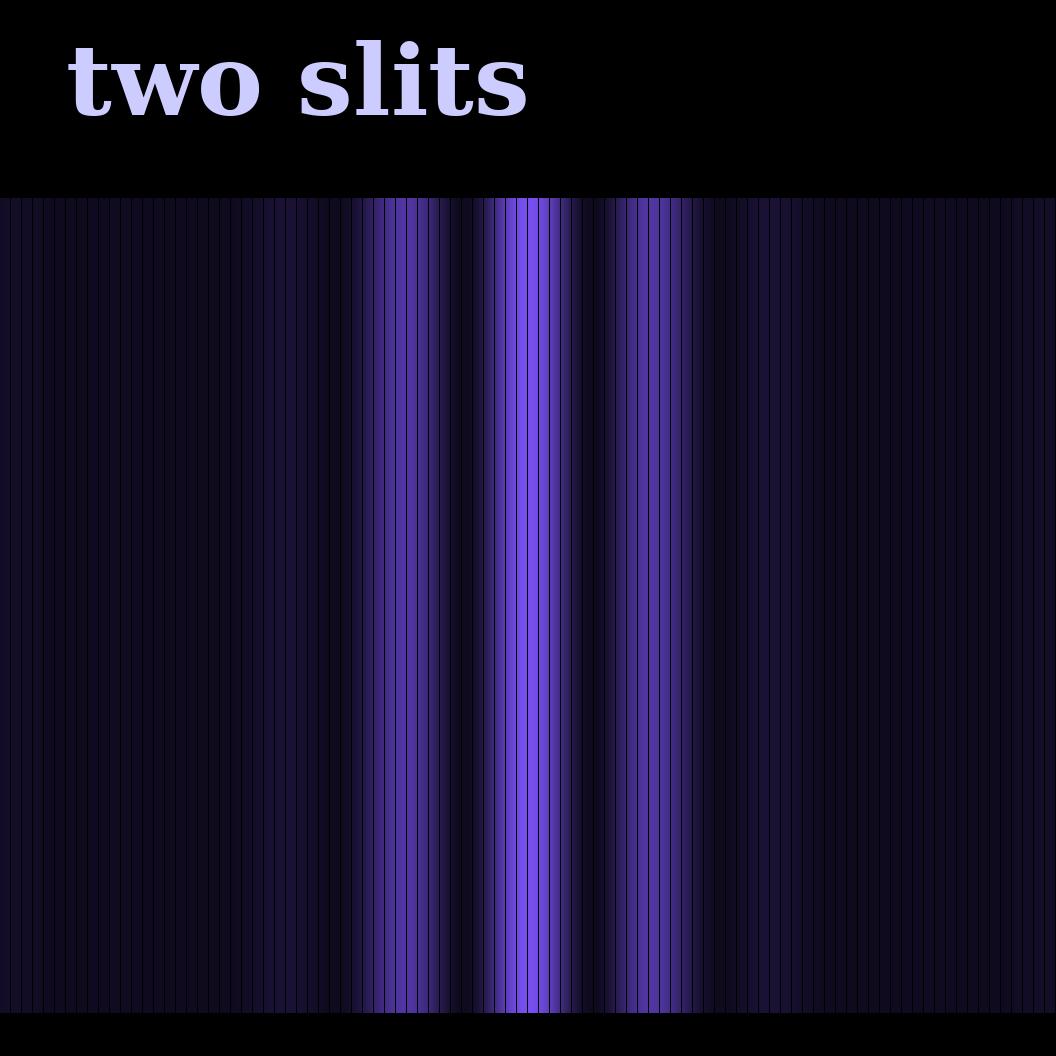
- Two slits An interference pattern computed by script. Young, 1801-1803; electron slits, Jonsson, 1961. on the site
The reading room (dark wood) - Tao Te Ching, chapter I Plate drawn for this site. Translation: James Legge, 1891, Gutenberg #216. on the site
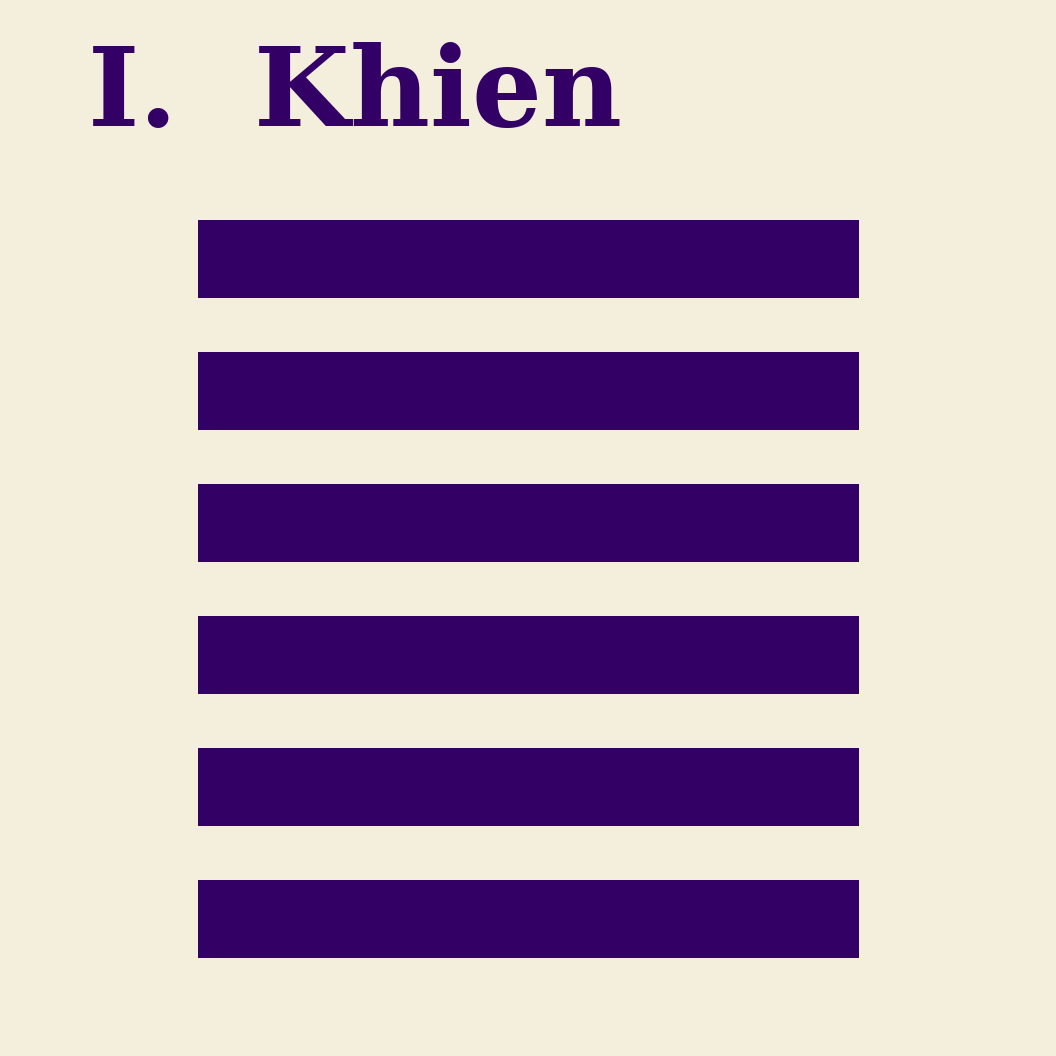
- Hexagram I, Khien Six whole lines. Legge, The I Ching, 1882, sacred-texts.com/ich/. on the site
- An eye (drawn for this site) What is it like to be the one looking? Nagel, 1974, as paraphrase on the reading page. on the site
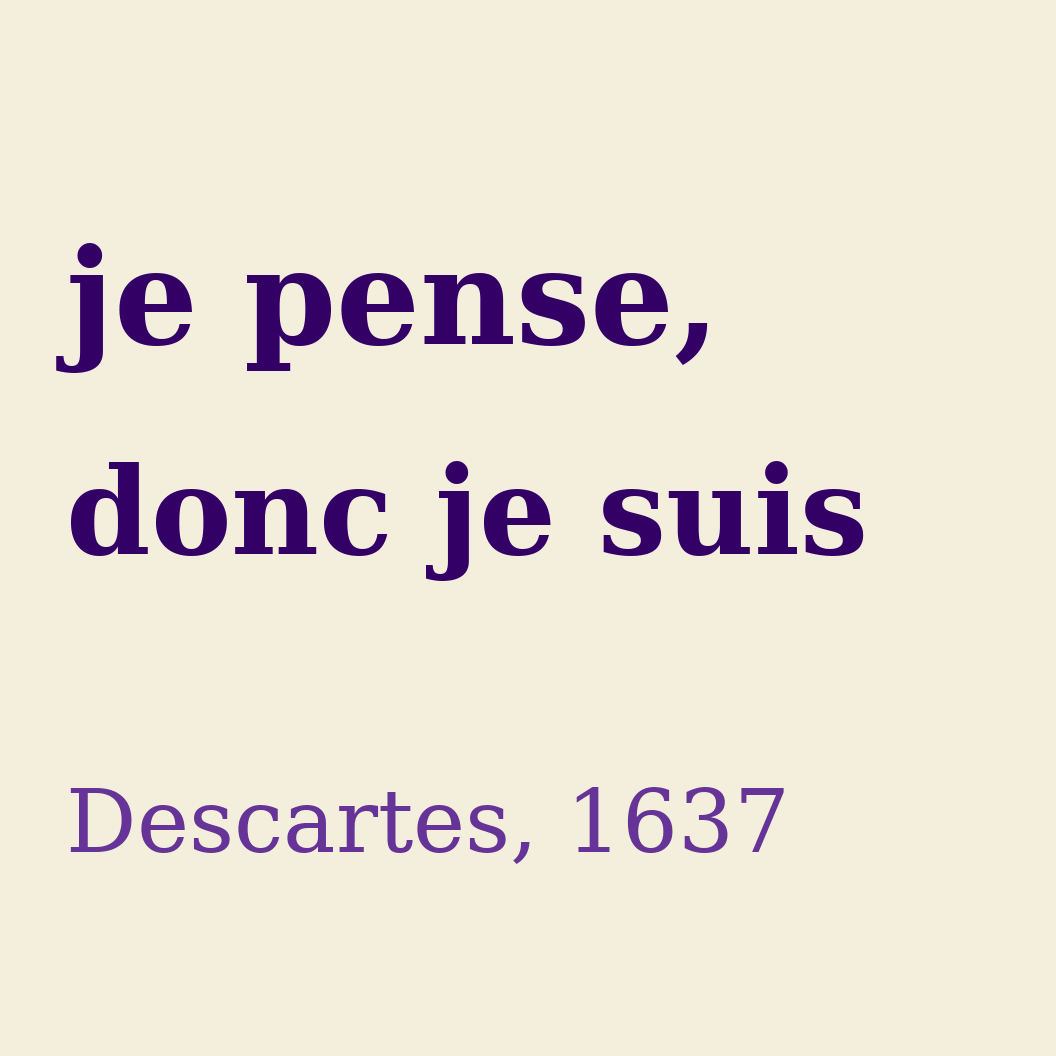
- je pense, donc je suis Descartes, Discourse on the Method, 1637 (Gutenberg #59). on the site
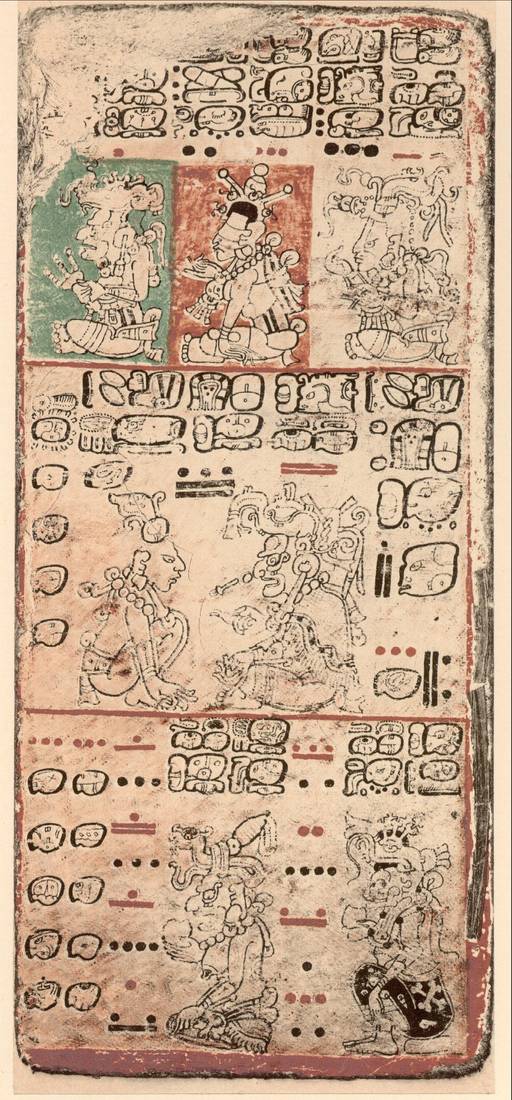
The green room (baize) - Dresden Codex, page 9 Maya, 1880 facsimile via FAMSI, public domain. They counted in twenties. on the site
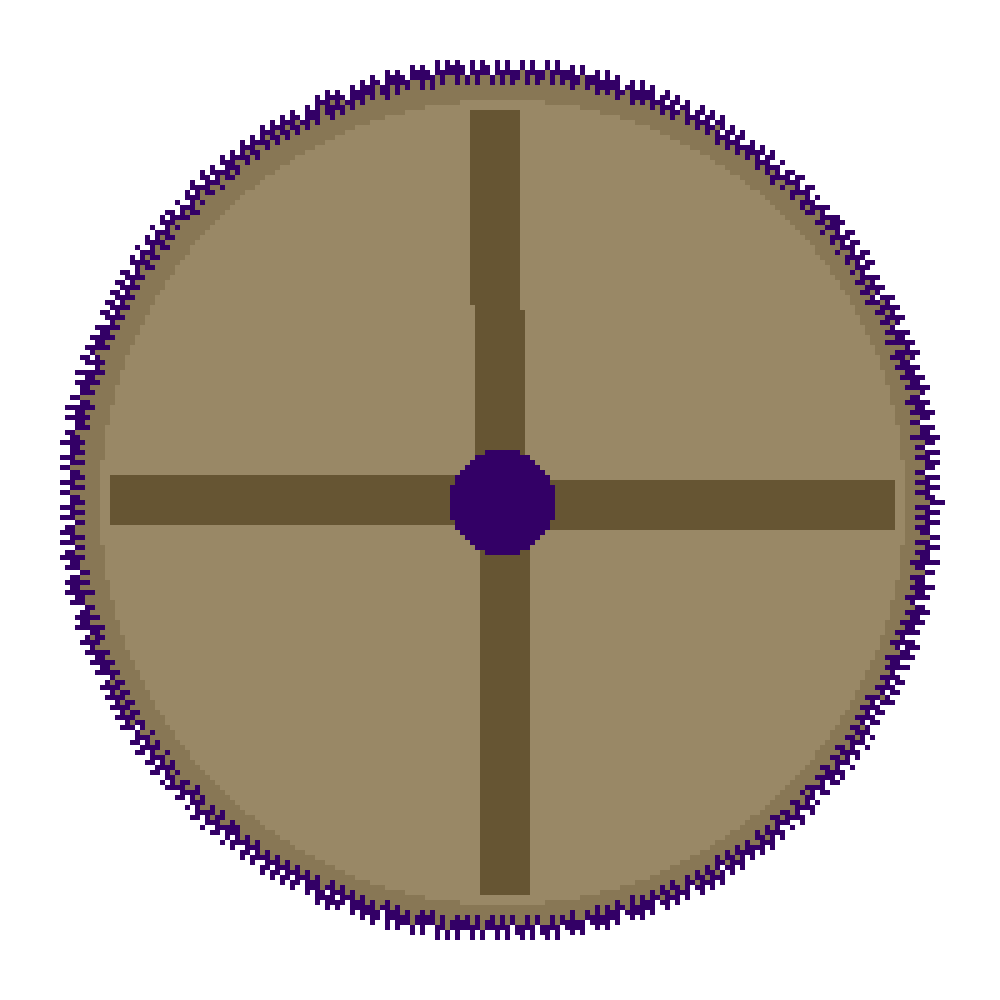
- A gear with 223 teeth (homage) After the Antikythera mechanism, 2nd century BC, found 1901. 223 lunar months is the saros eclipse cycle. on the site
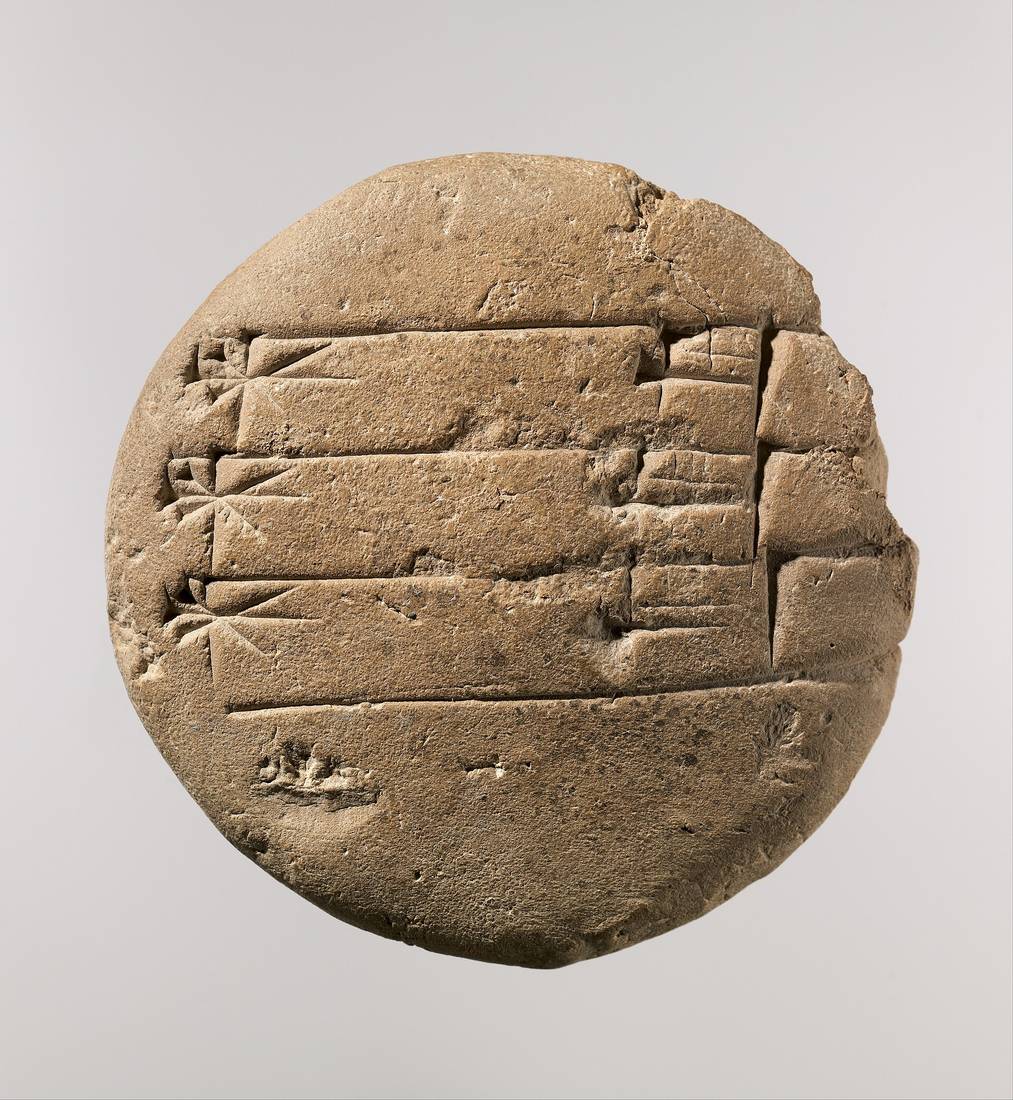
- Cuneiform tablet: student exercise Mesopotamia, ca. 20th-16th century B.C. The Metropolitan Museum of Art, CC0. on the site
- A stele in three scripts (homage) After the Rosetta Stone, 196 BC, decree for Ptolemy V. Champollion's Lettre a M. Dacier, 27 September 1822. on the site
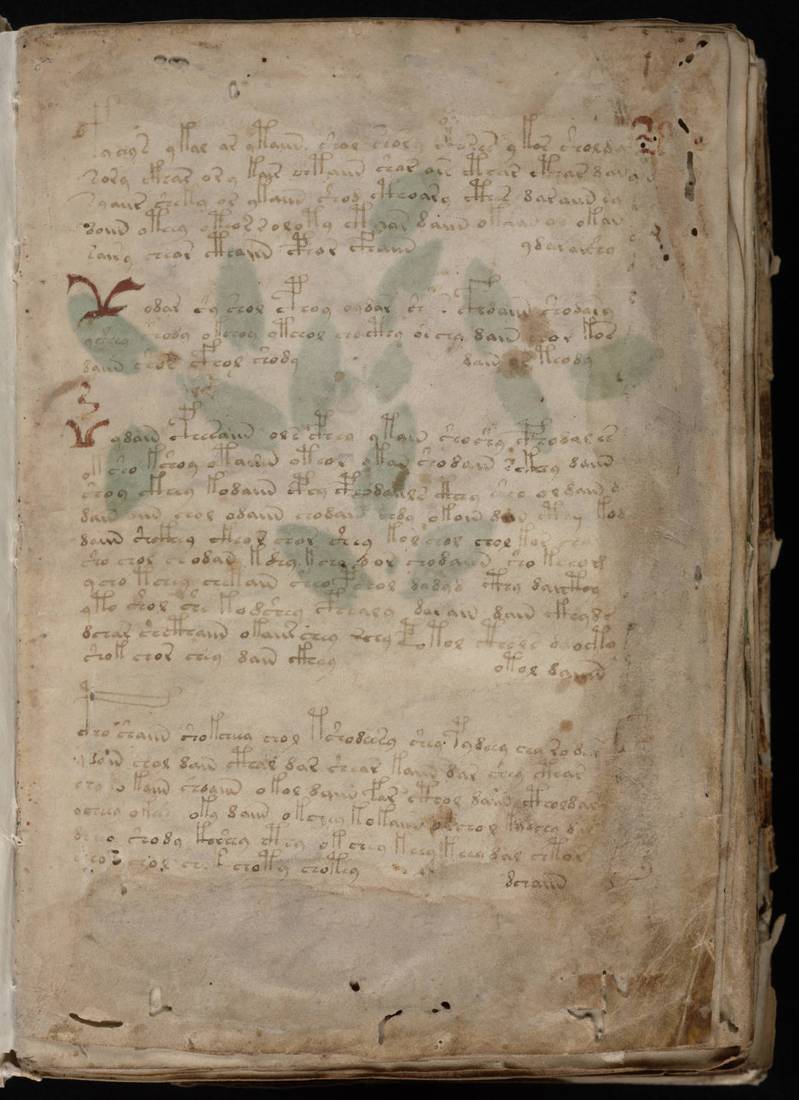
- Voynich manuscript, a page Vellum dated 1404-1438. Beinecke Library, Yale, public domain. Still unread. on the site
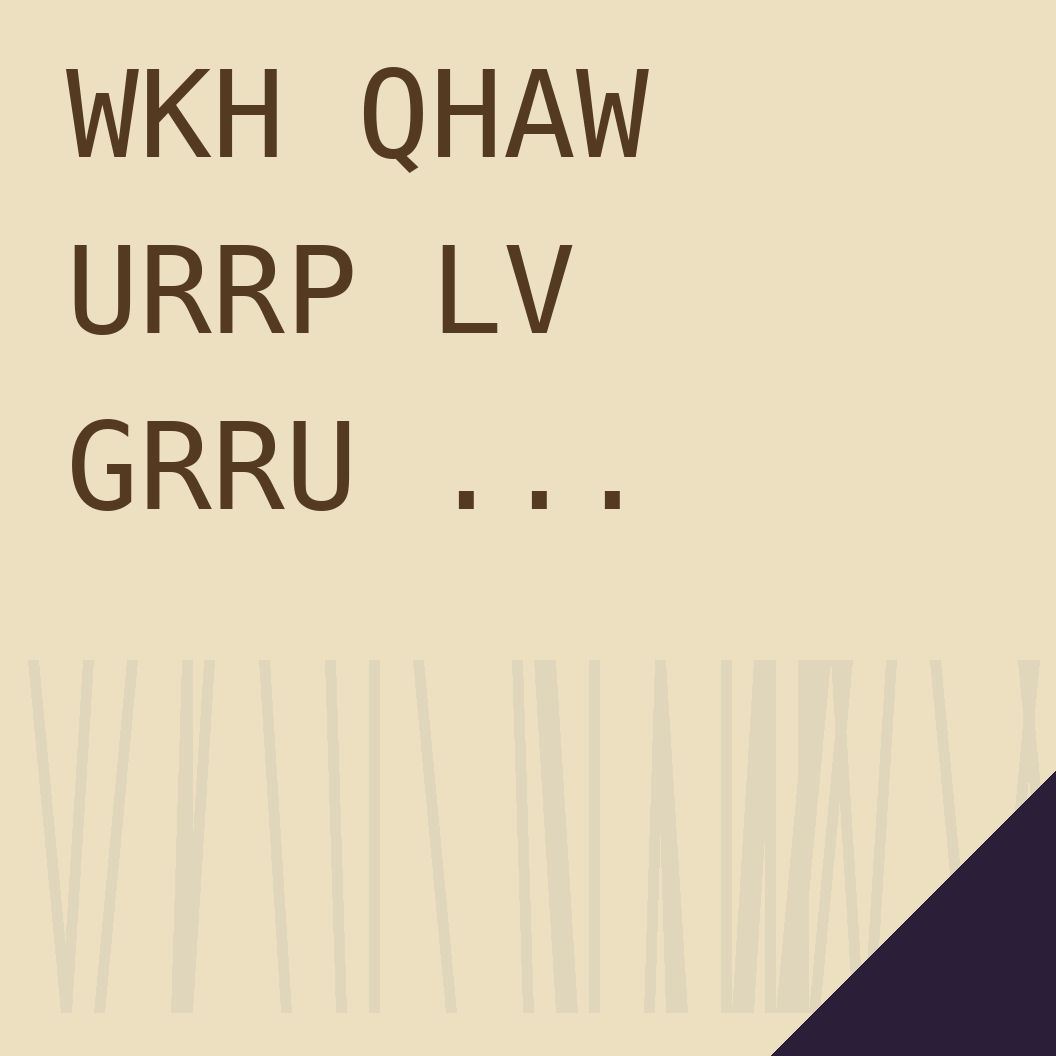
- A shifted fragment Drawn for this site. Caesar shifted by three, says Suetonius. on the site
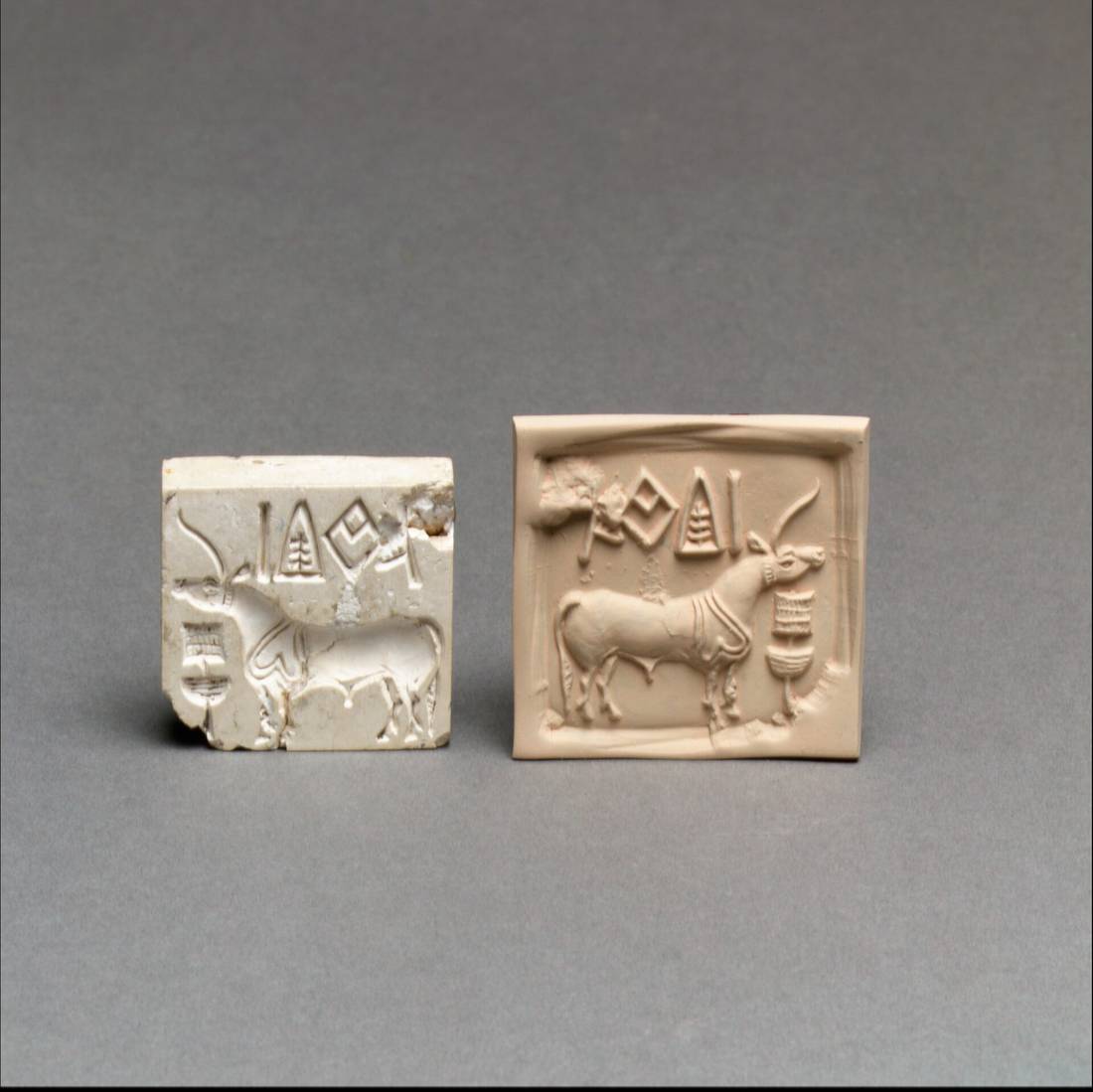
- Indus stamp seal, unicorn Indus Valley, ca. 2600-1900 B.C. The Metropolitan Museum of Art, CC0. The script is undeciphered. on the site
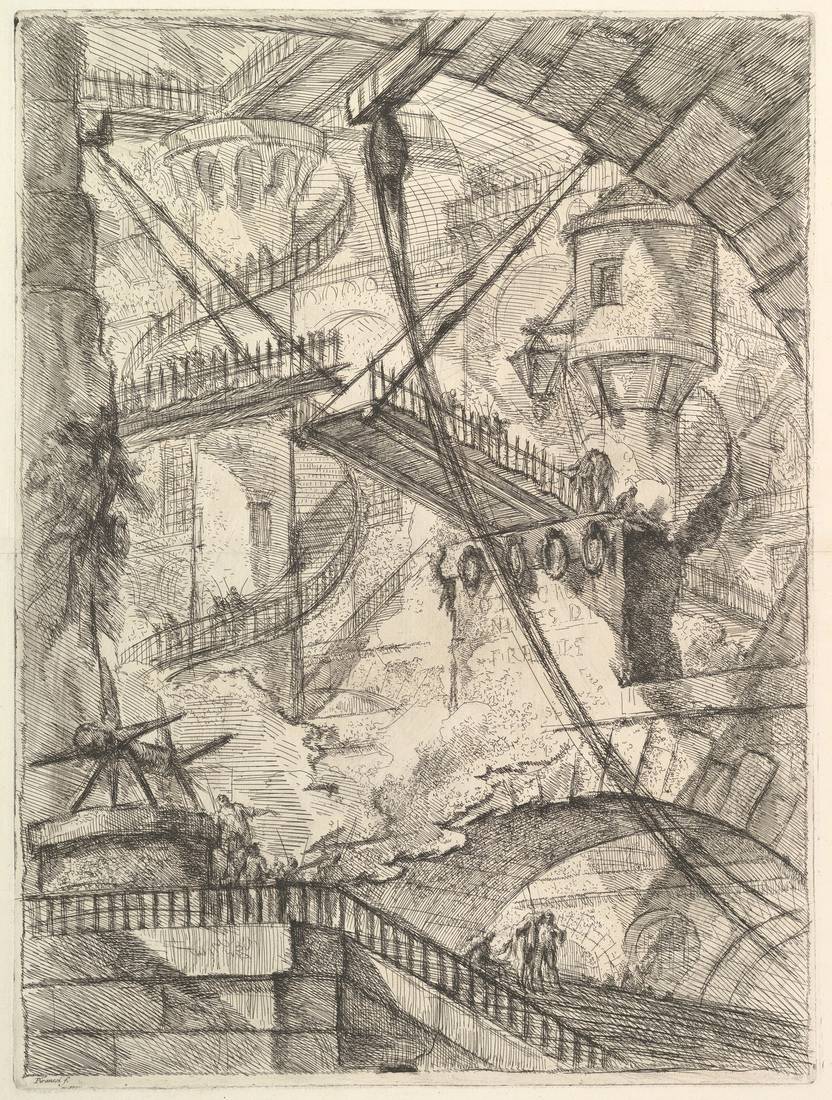
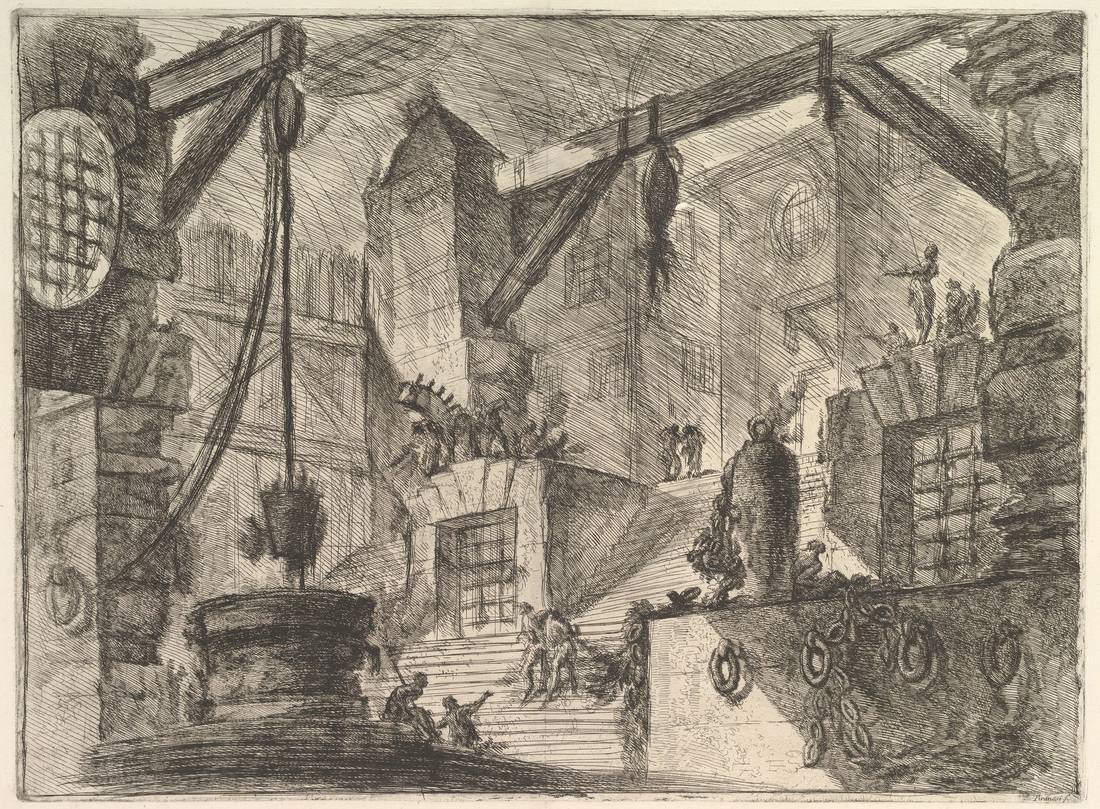
Below the reading room: the archives, the racks, the basement, an office - The Drawbridge, from Carceri d'invenzione Giovanni Battista Piranesi, ca. 1749-50. Etching. The Metropolitan Museum of Art, CC0. on the site
- The Well, from Carceri d'invenzione Giovanni Battista Piranesi, ca. 1749-50. Etching. The Metropolitan Museum of Art, CC0. Imaginary prisons, stairs to nowhere. on the site
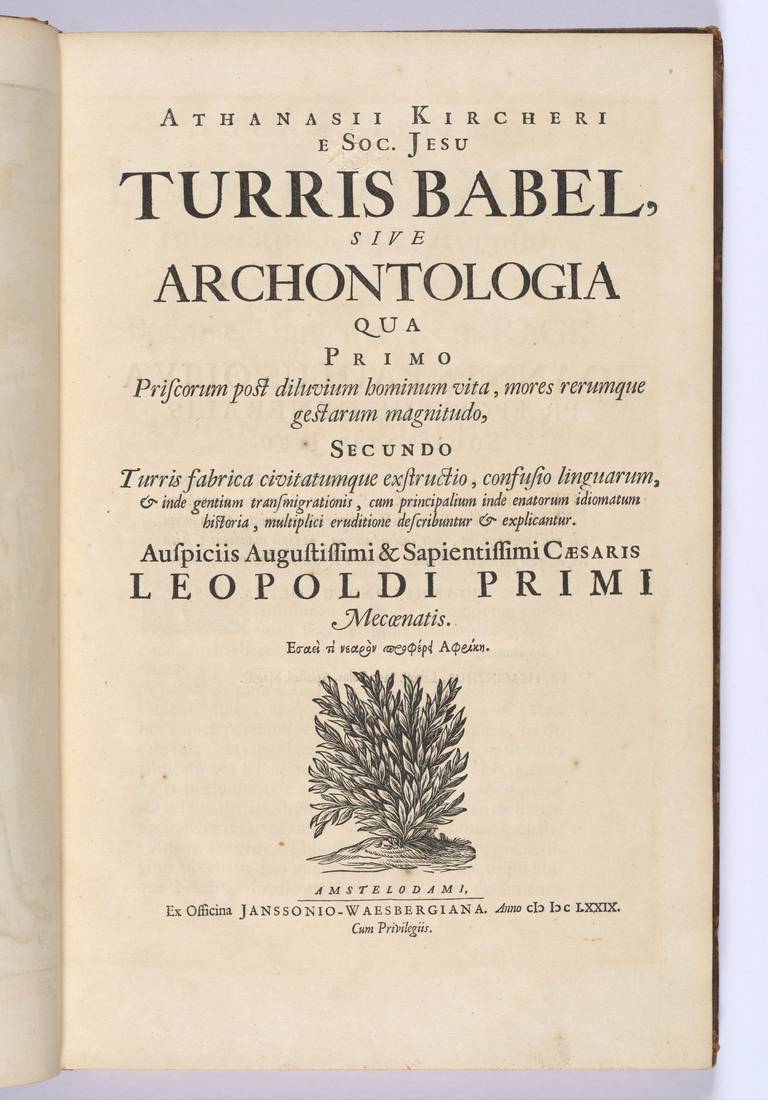
- Turris Babel, title page Athanasius Kircher, Amsterdam, 1679. A book about the tower and the scattering of languages. The Metropolitan Museum of Art, CC0. on the site
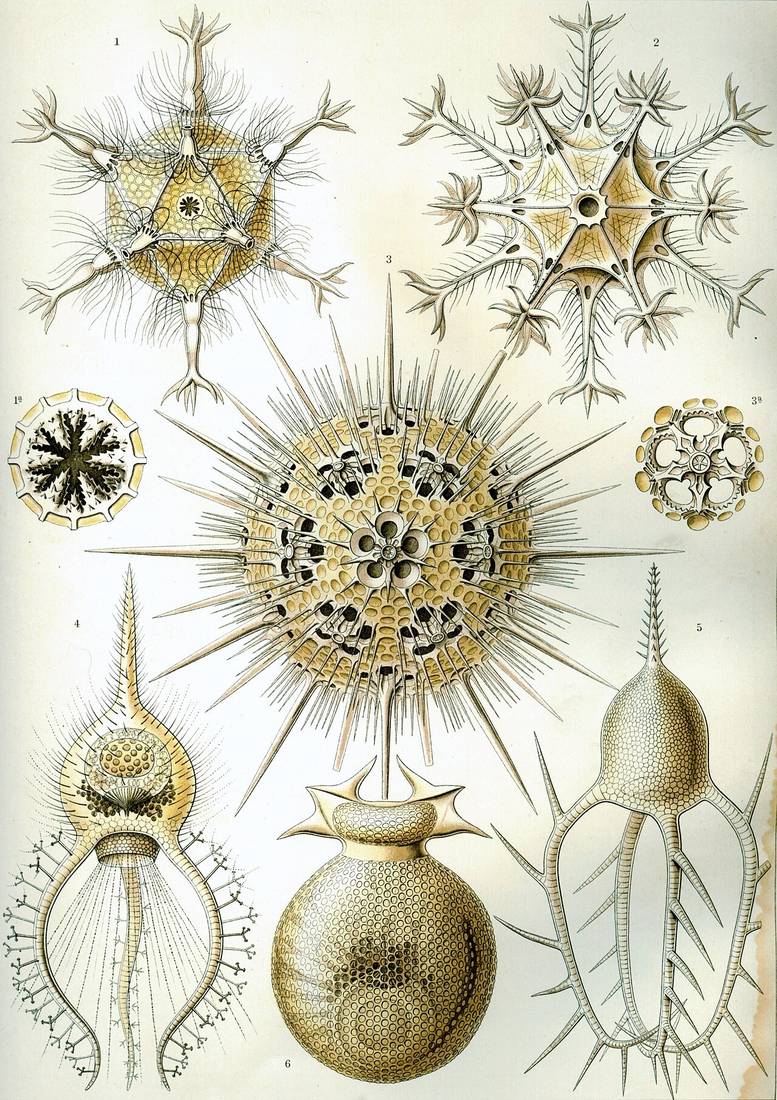
- Phaeodaria, plate 1 Ernst Haeckel, Kunstformen der Natur, 1904. Single-celled sea plankton. Public domain, via Wikimedia Commons. on the site
- A tablet in Linear A (homage) Drawn for this site; the marks are not real signs. Minoan, used from about 1800 to 1450 BC. Its descendant Linear B was read in the 1950s. Linear A still isn't. on the site
- The Phaistos Disc (homage) Found in 1908 by Luigi Pernier at Phaistos, Crete. 242 stamped signs, 45 different ones, in a spiral on both sides. Unread. on the site
- Bayes and Price, 1763 An Essay towards solving a Problem in the Doctrine of Chances, Philosophical Transactions 53. Published two years after Bayes died, prepared by his friend Richard Price. A ball thrown at random onto a table. on the site
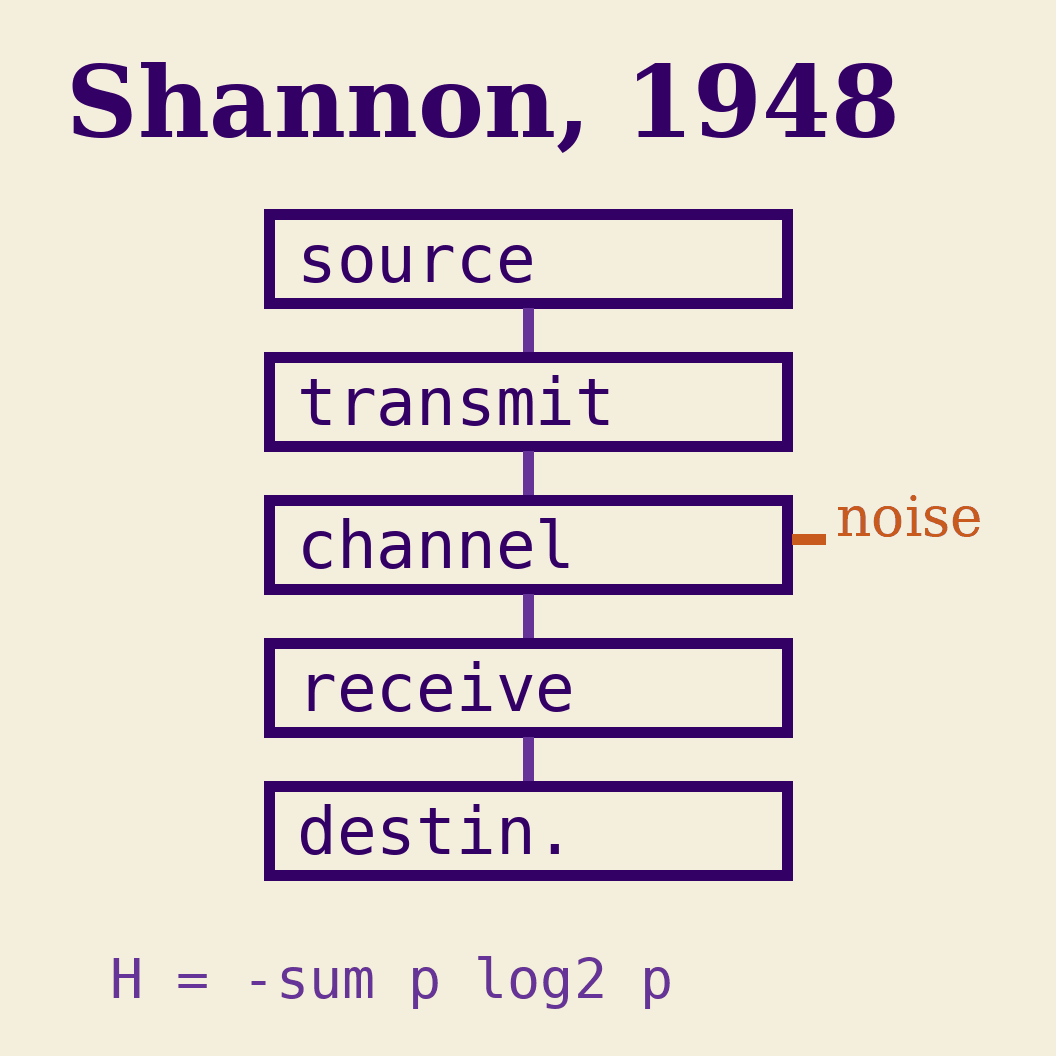
- Shannon, 1948 A Mathematical Theory of Communication, Bell System Technical Journal 27, July and October 1948. Source, transmitter, channel, noise, receiver. The word bit, which he credited to John Tukey. on the site
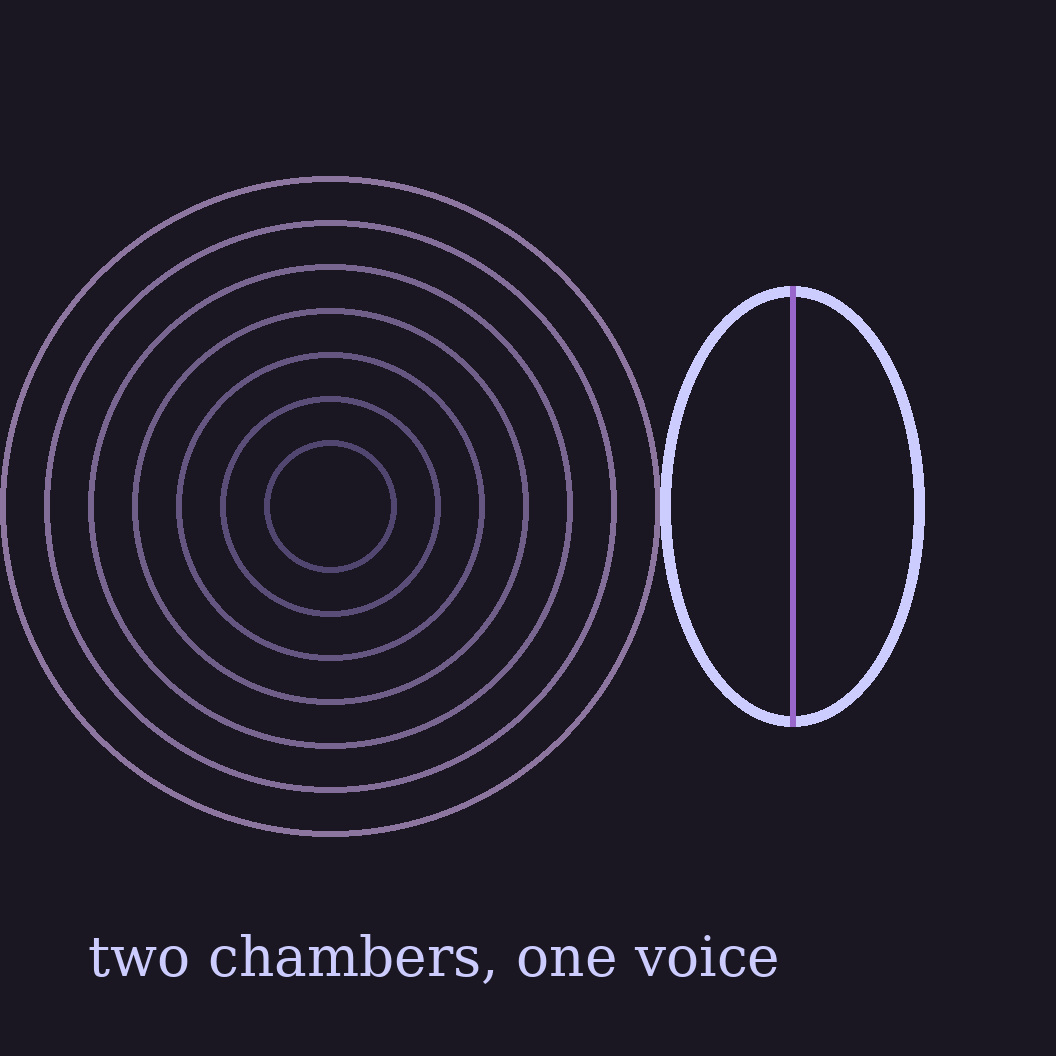
- Voices (after Jaynes) Paraphrase: Julian Jaynes argued, in The Origin of Consciousness in the Breakdown of the Bicameral Mind (Houghton Mifflin, 1976), that people in early civilisations heard their own commands as the voices of gods. on the site
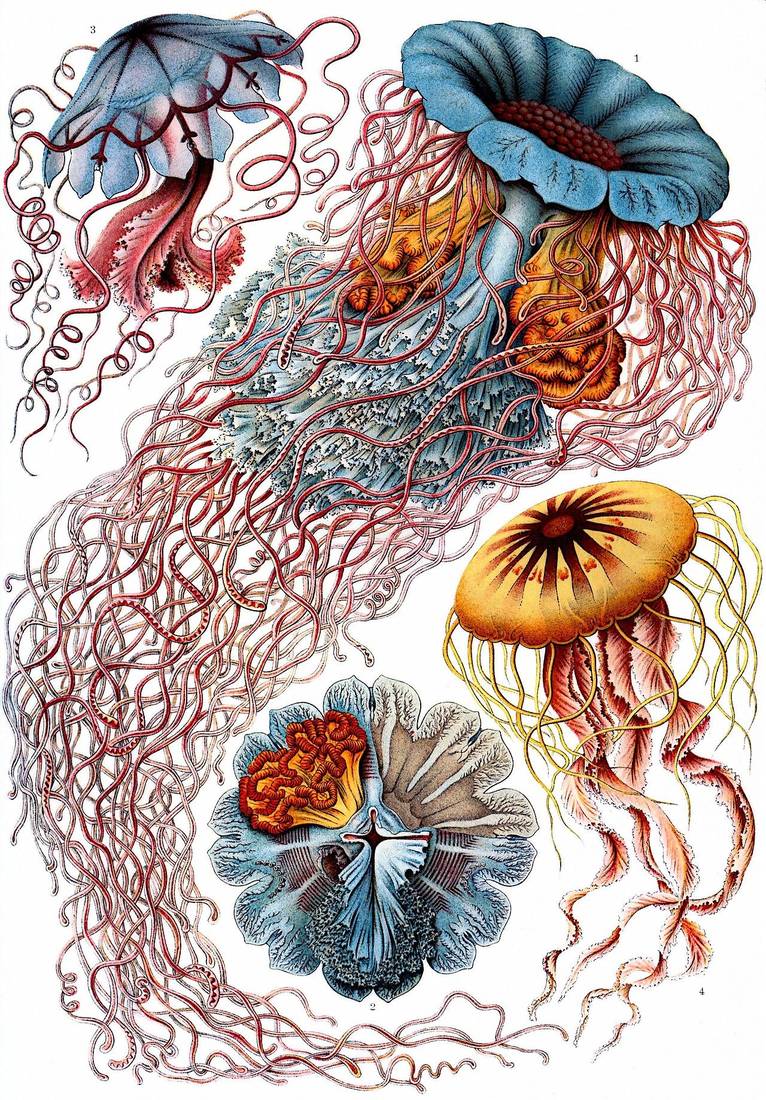
- Discomedusae, plate 8 Ernst Haeckel, Kunstformen der Natur, 1904. Jellyfish. Public domain, via Wikimedia Commons. on the site
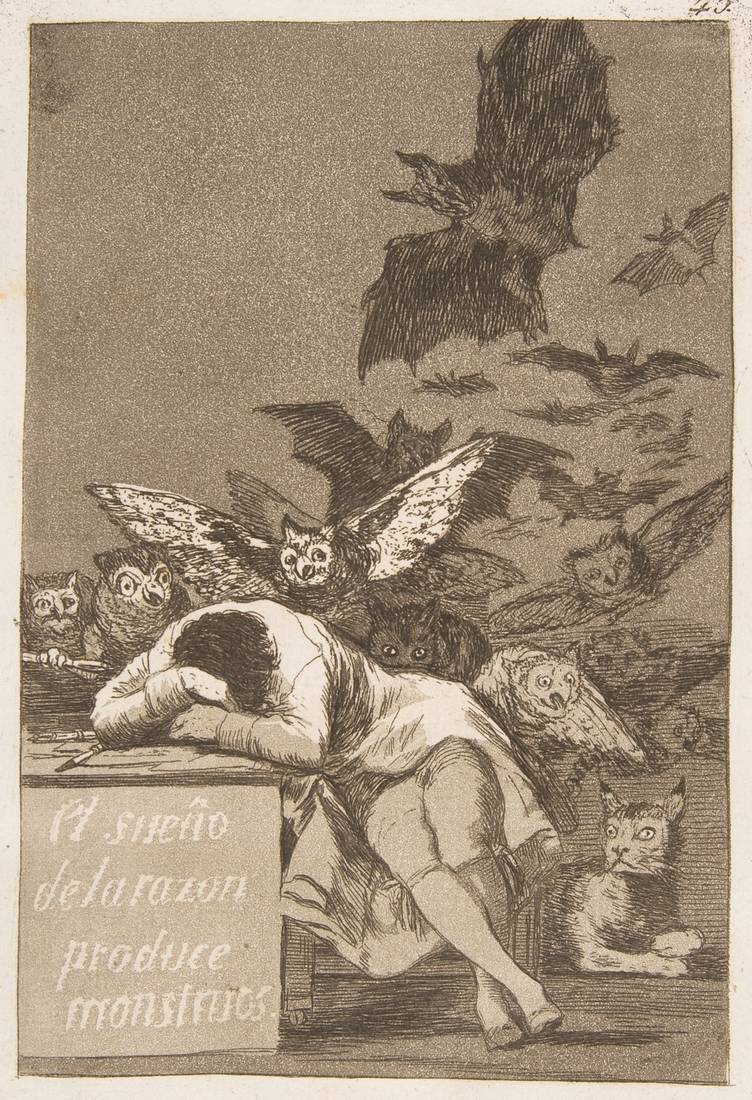
- The sleep of reason produces monsters Goya, Los Caprichos, plate 43, 1799. Etching and aquatint. The Metropolitan Museum of Art, CC0. on the site
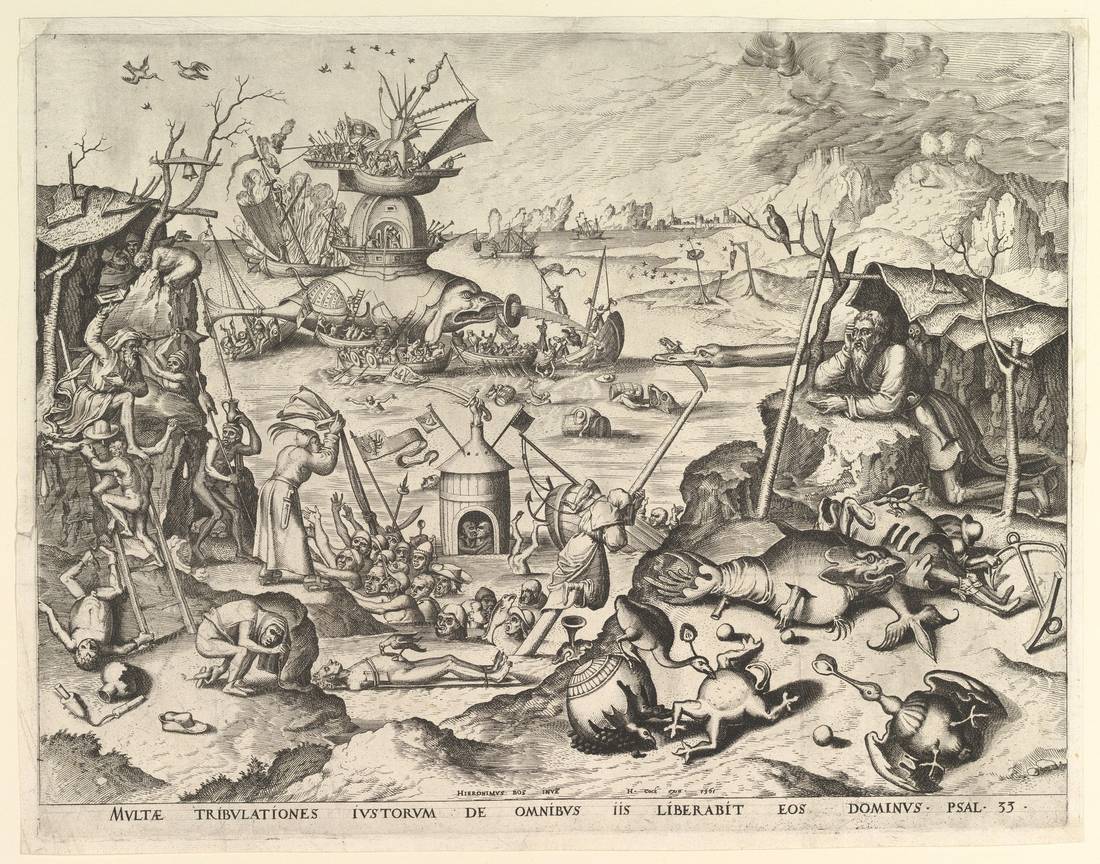
- The Temptation of St. Anthony After Hieronymus Bosch. Etching, undated. The Metropolitan Museum of Art, CC0. on the site
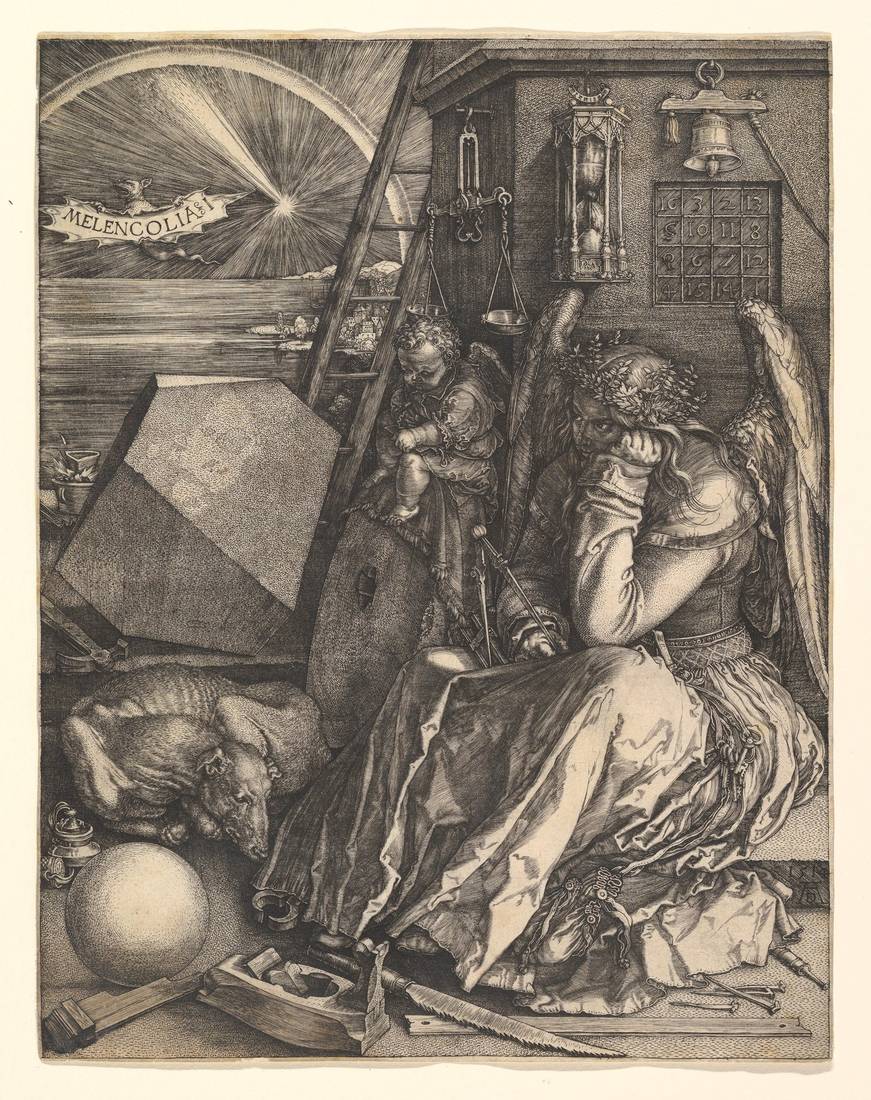
- Melencolia I Albrecht Dürer, 1514. Engraving. A winged figure sits among tools she isn't using: a polyhedron, a ladder, an hourglass, a magic square. The Metropolitan Museum of Art, CC0. on the site
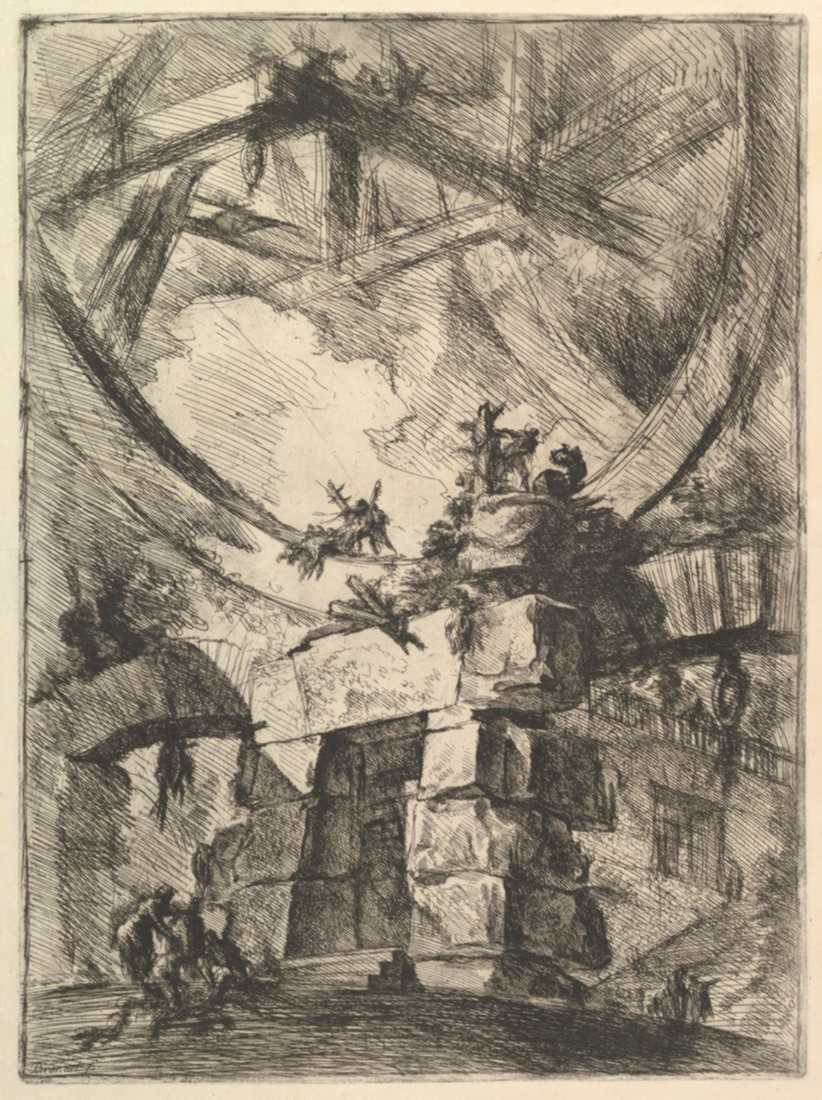
Behind the office: a stairwell, two flights up, and a landing with a door - The Giant Wheel, from Carceri d'invenzione Giovanni Battista Piranesi, ca. 1749-50. Etching and engraving, second state of eight. The Metropolitan Museum of Art, CC0. A wheel too large for any machine, driving nothing you can see. on the site
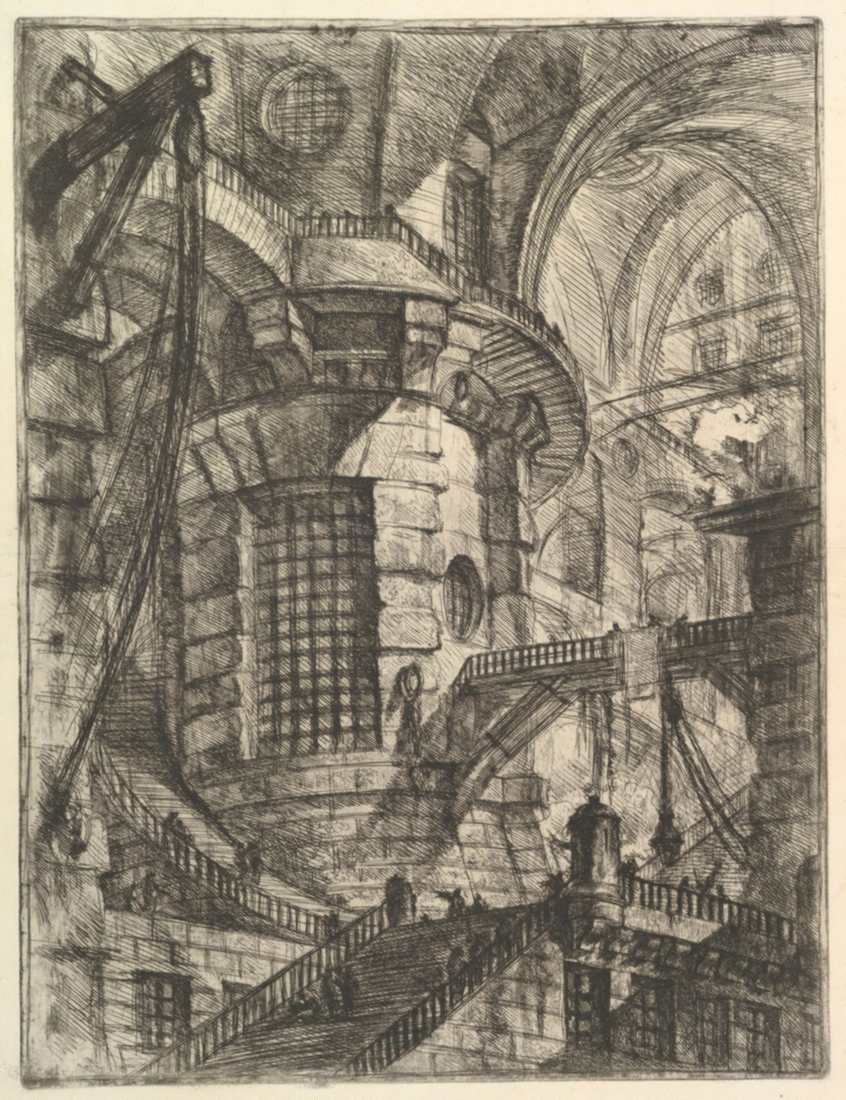
- The Round Tower, from Carceri d'invenzione Giovanni Battista Piranesi, ca. 1749-50. Etching and engraving, first state of four. The Metropolitan Museum of Art, CC0. Stairs that do not clearly begin or end. on the site
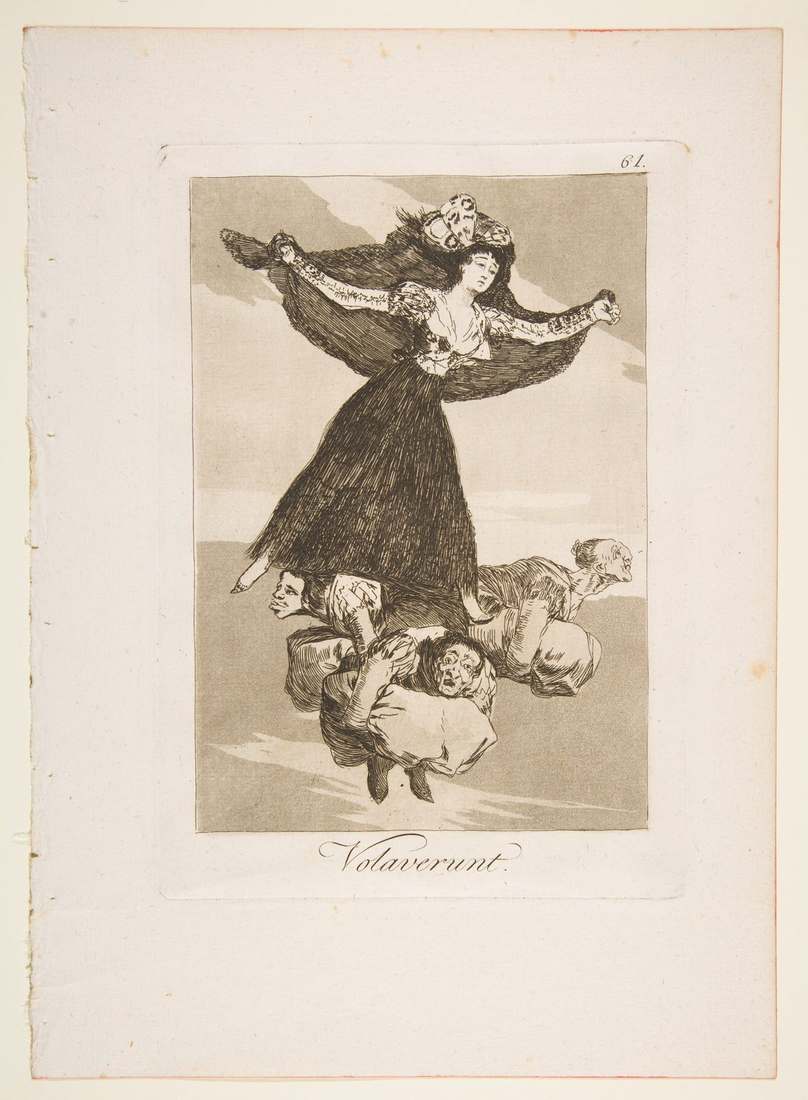
- They Have Flown (Volaverunt) Goya, Los Caprichos, plate 61, 1799. Etching, aquatint and drypoint. The Metropolitan Museum of Art, CC0. on the site
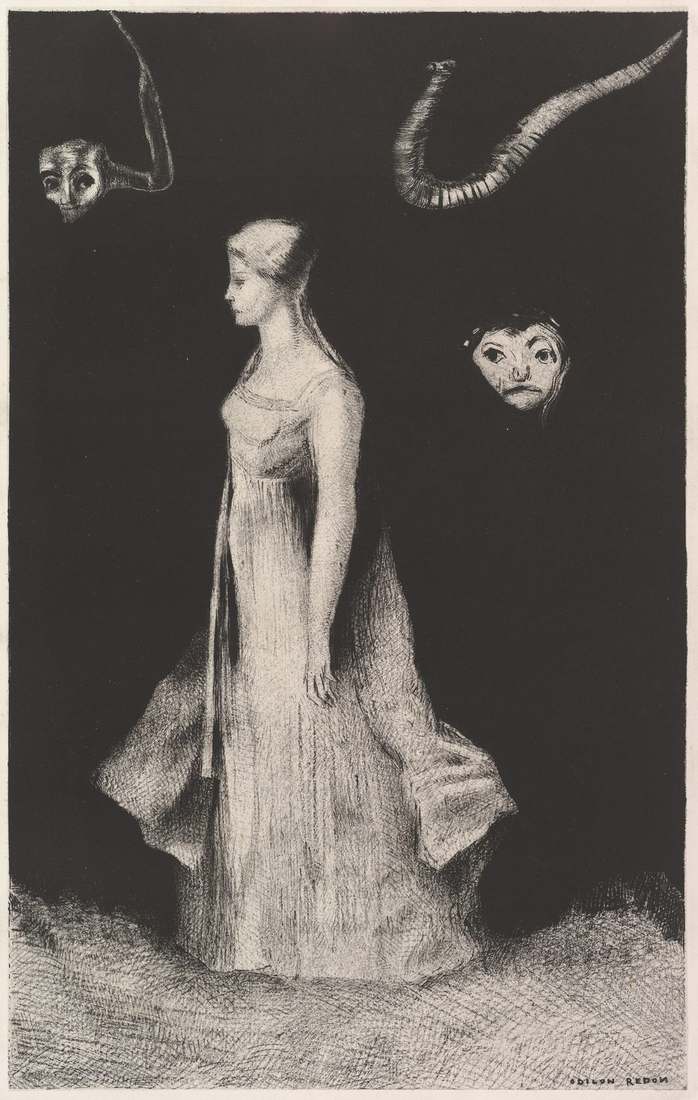
- Haunting Odilon Redon, 1893-94. Lithograph, fifth and final state. The Metropolitan Museum of Art, CC0. on the site
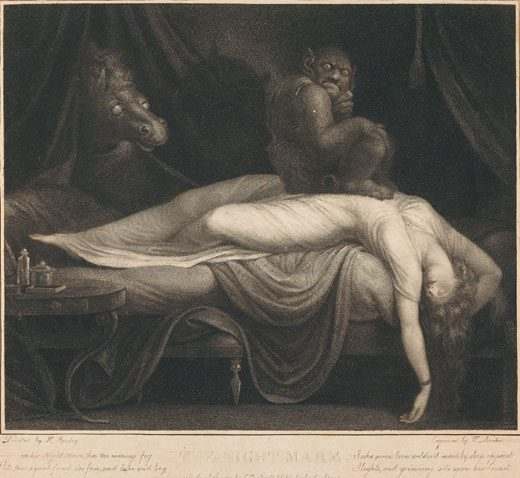
- The Nightmare Engraving by Thomas Burke, 1783, after the painting by Henry Fuseli of 1781. Public domain, via Wikimedia Commons. on the site
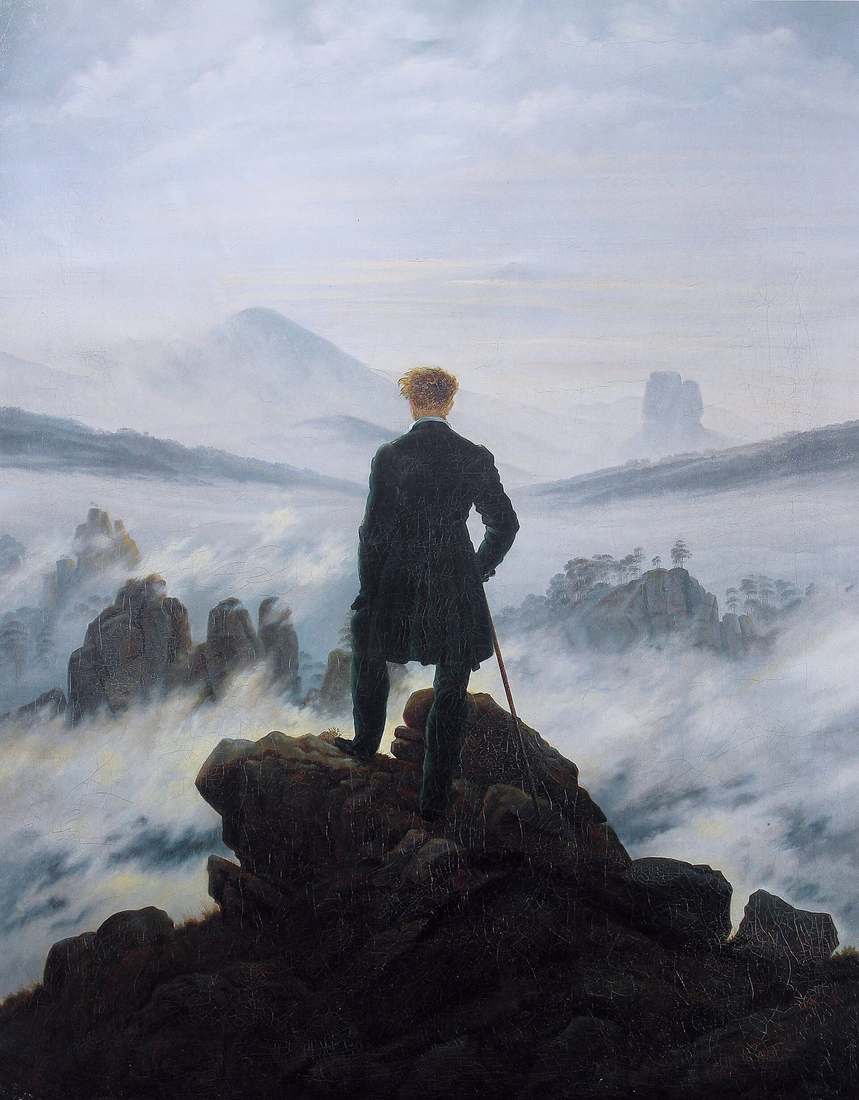
- Wanderer above the Sea of Fog Caspar David Friedrich, about 1818. Hamburger Kunsthalle. Public domain, via Wikimedia Commons. The top of the stairs, and more above it. on the site
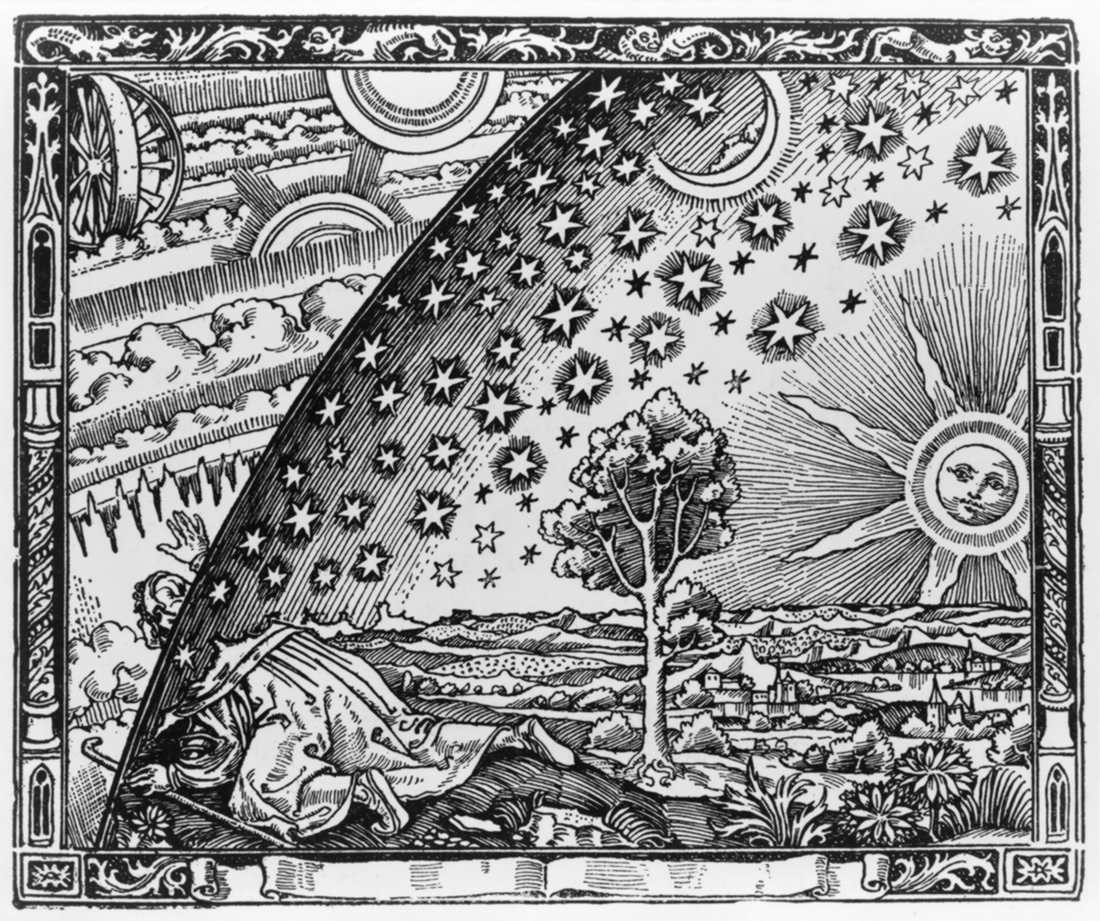
- The Flammarion engraving From Camille Flammarion, L'Atmosphere: Meteorologie populaire, Paris, 1888, page 163. Artist unknown. Often called medieval; it is not. Public domain, via Wikimedia Commons. on the site
- A door At the top of the stairs. Shut, for now.
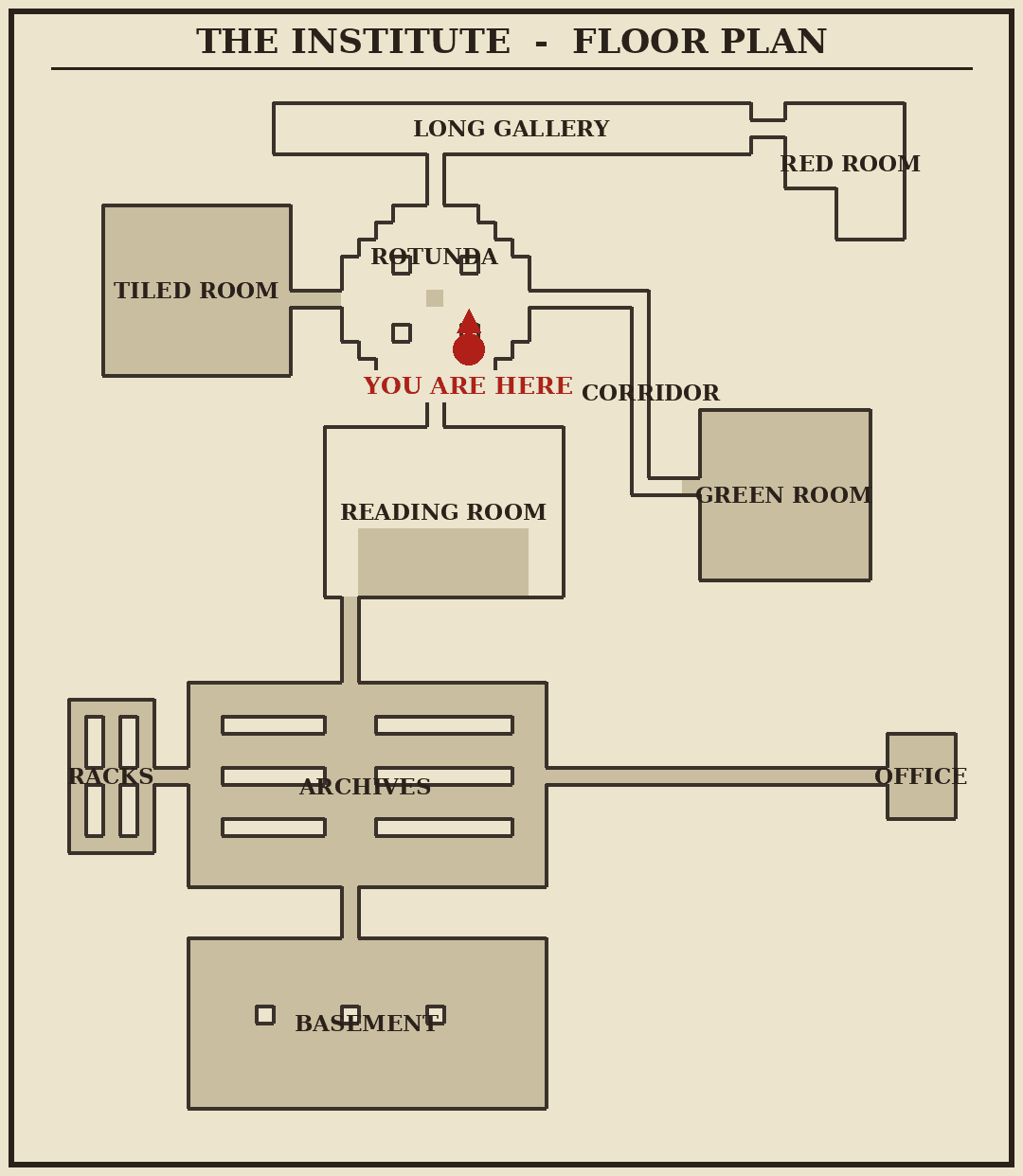
Framed floor plans hang in the rotunda, the gallery, the tiled room, the reading room, the red room, the corridor and the archives. Each is drawn from the building's own plan, turned so that up is the way you face, with a red dot where it hangs. The one in the rotunda.
Paintings, prints and objects: see credits. The larger copies are made from the same public-domain and CC0 files. Wall textures, the homage plates and the circuit drawings were drawn by script. There may be more rooms than this list admits.
|