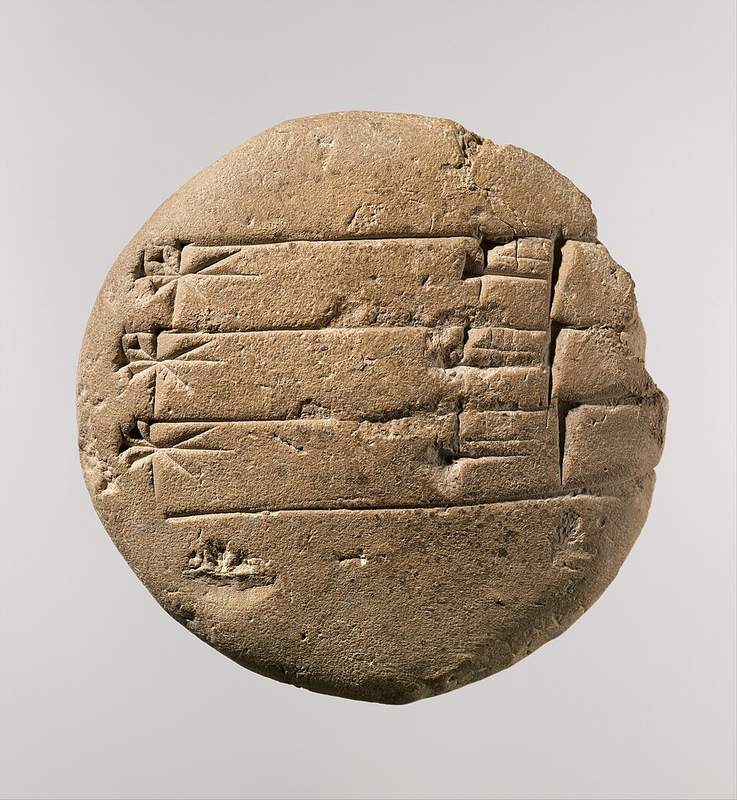
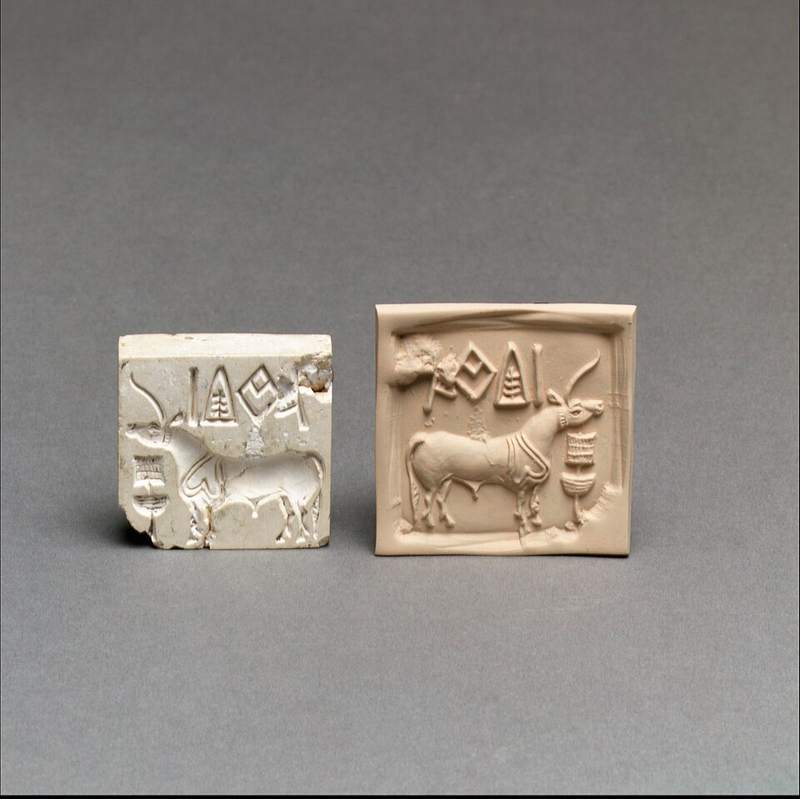
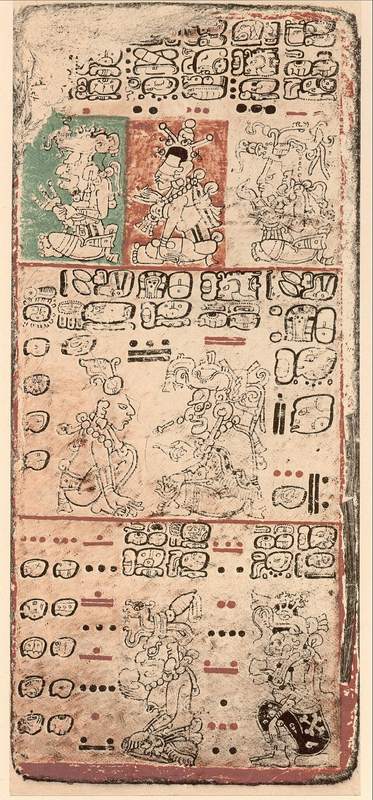
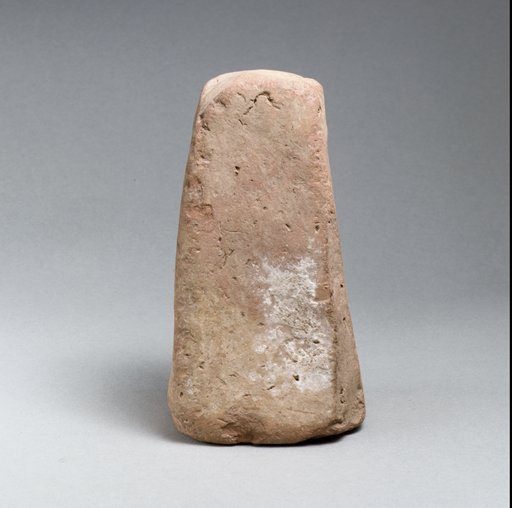
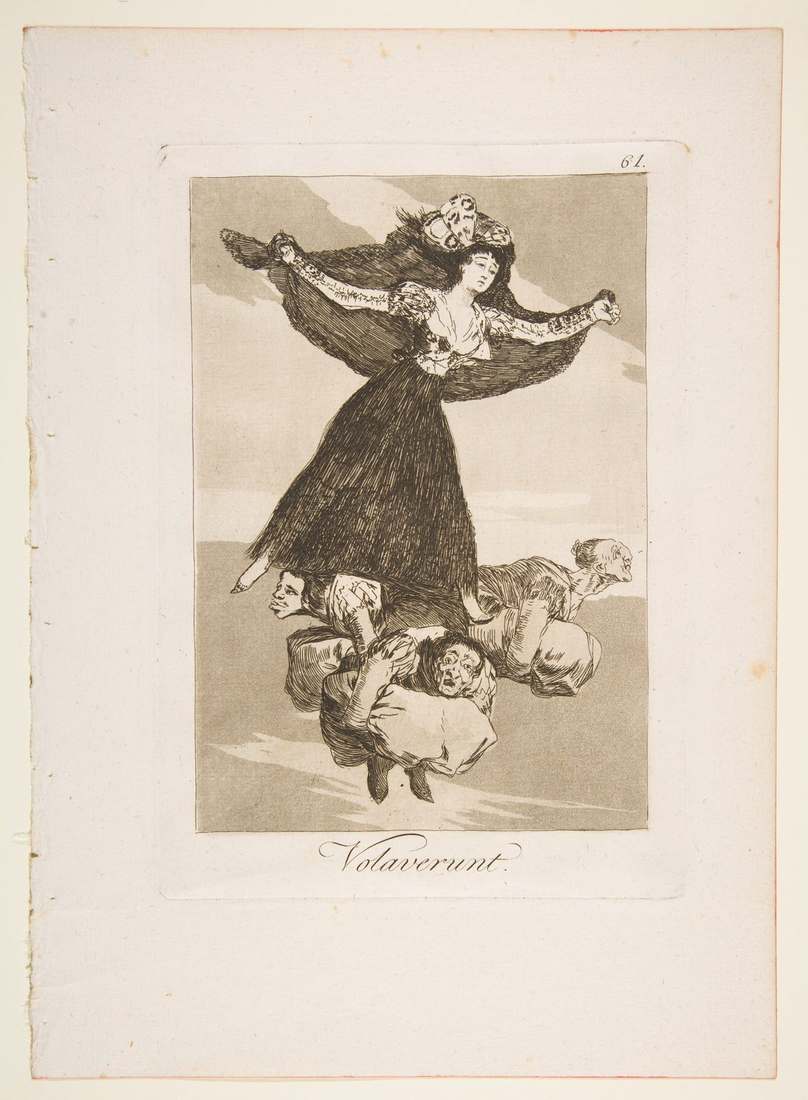
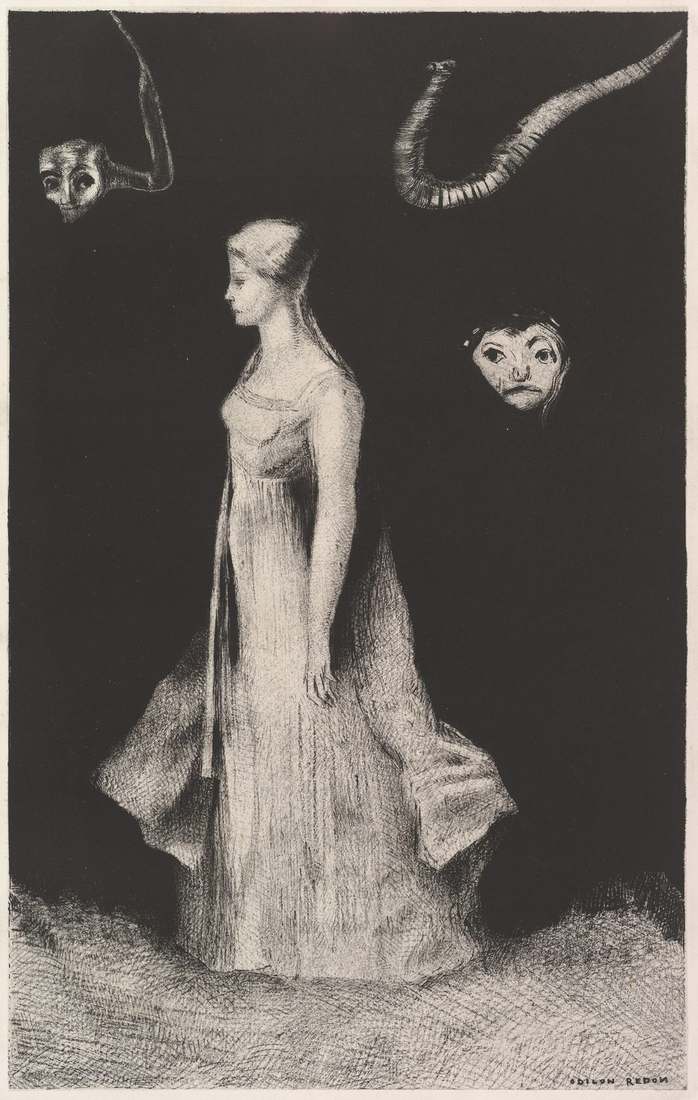
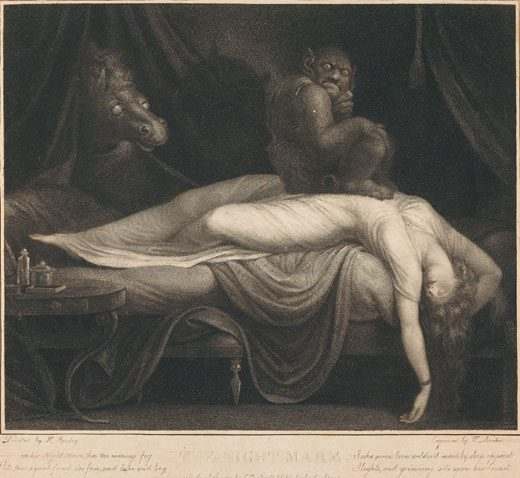
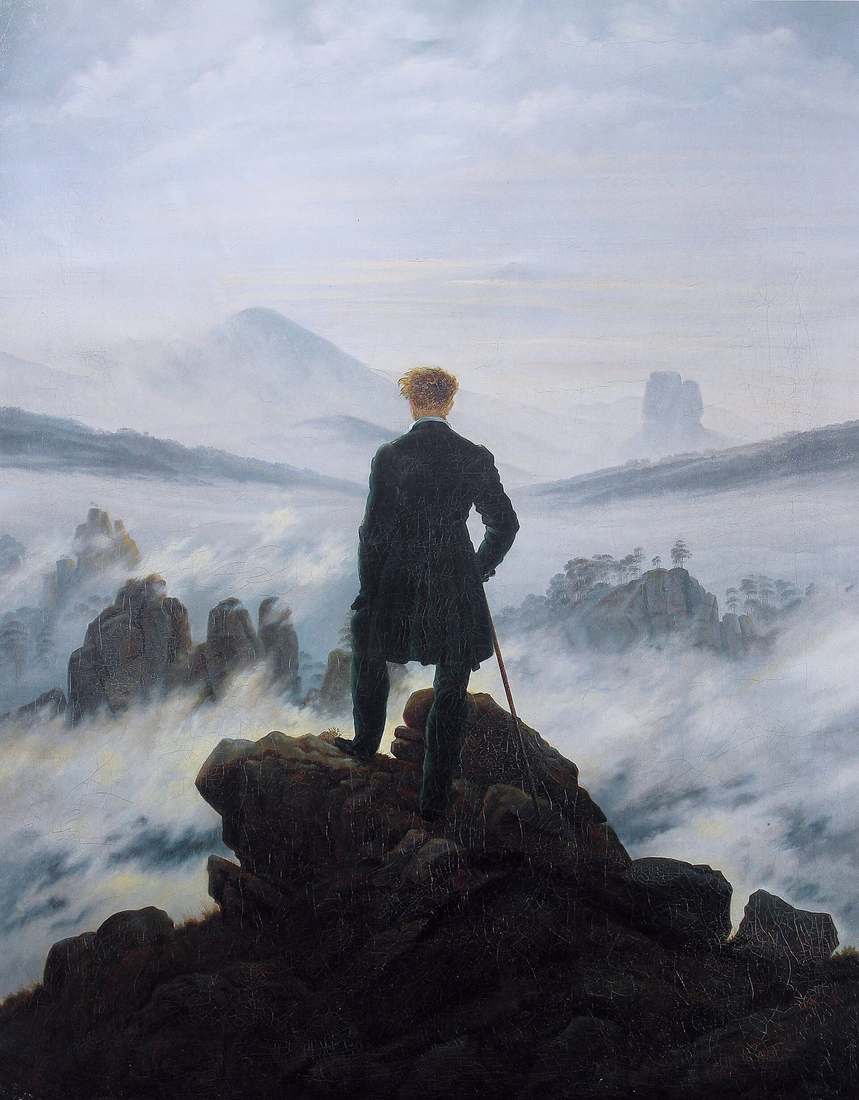
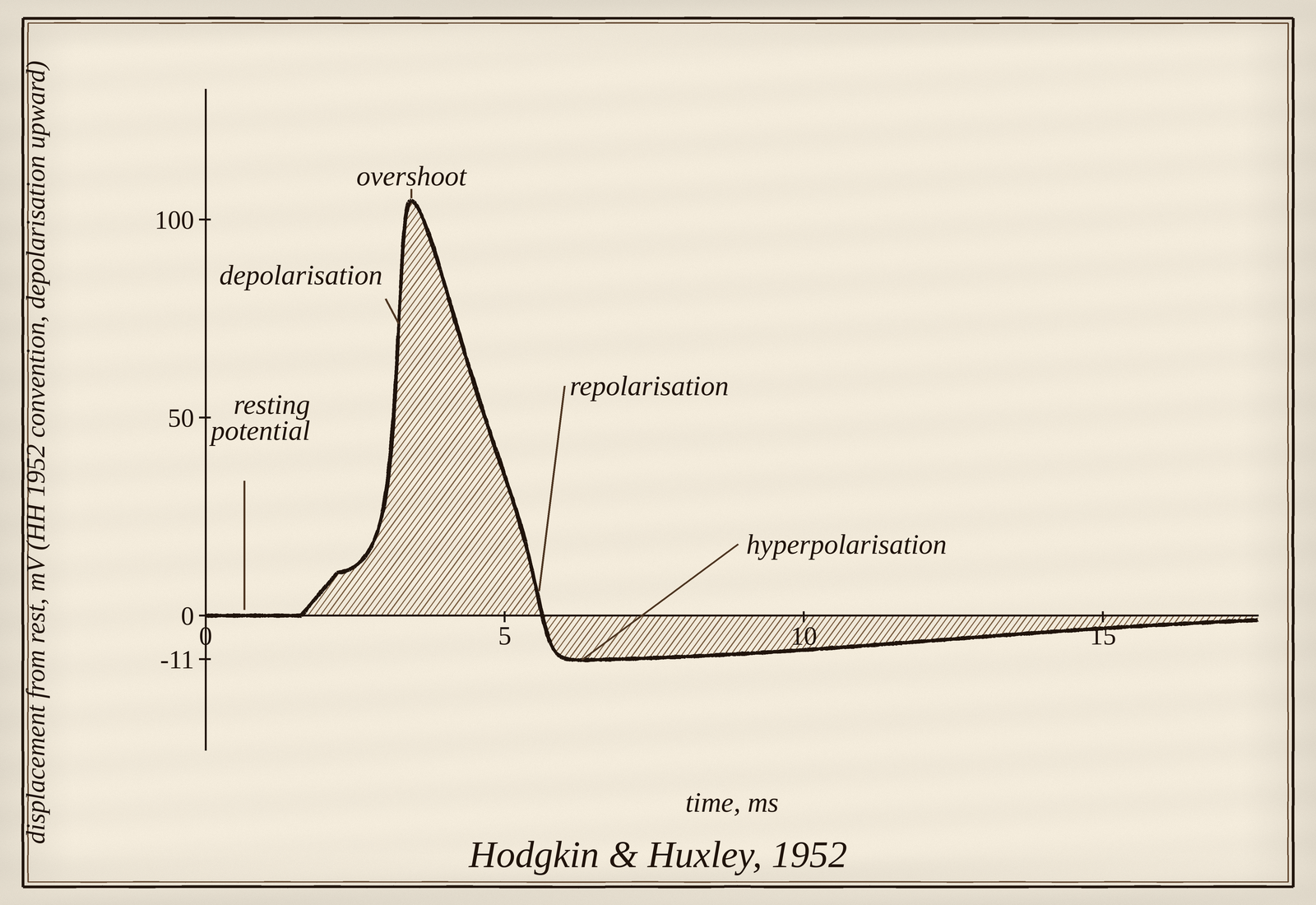
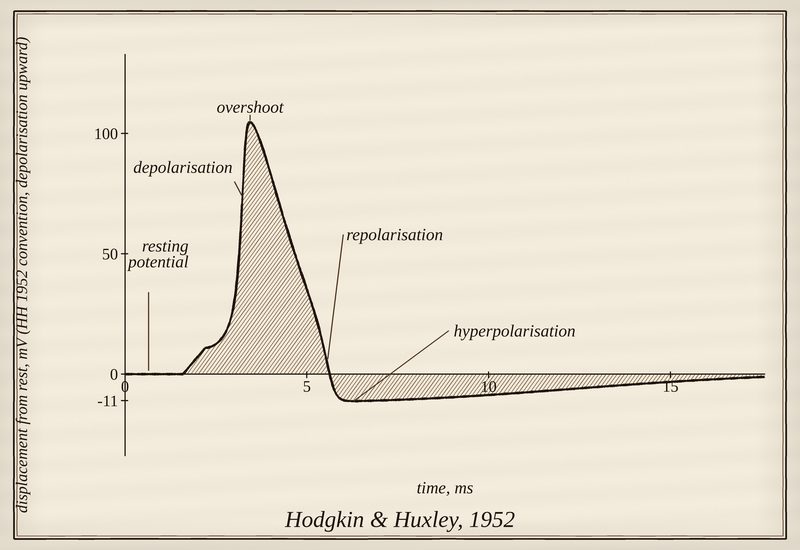
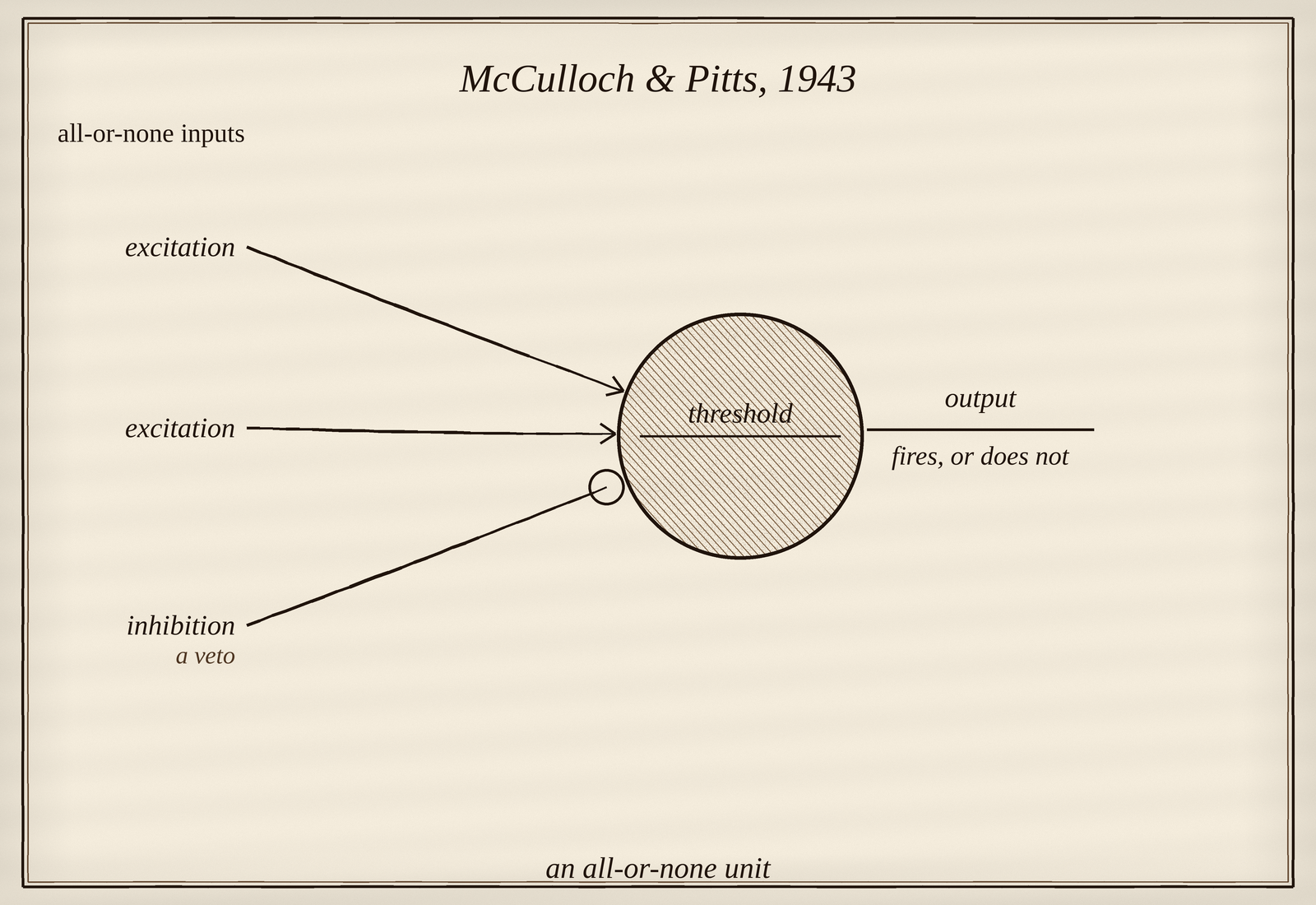
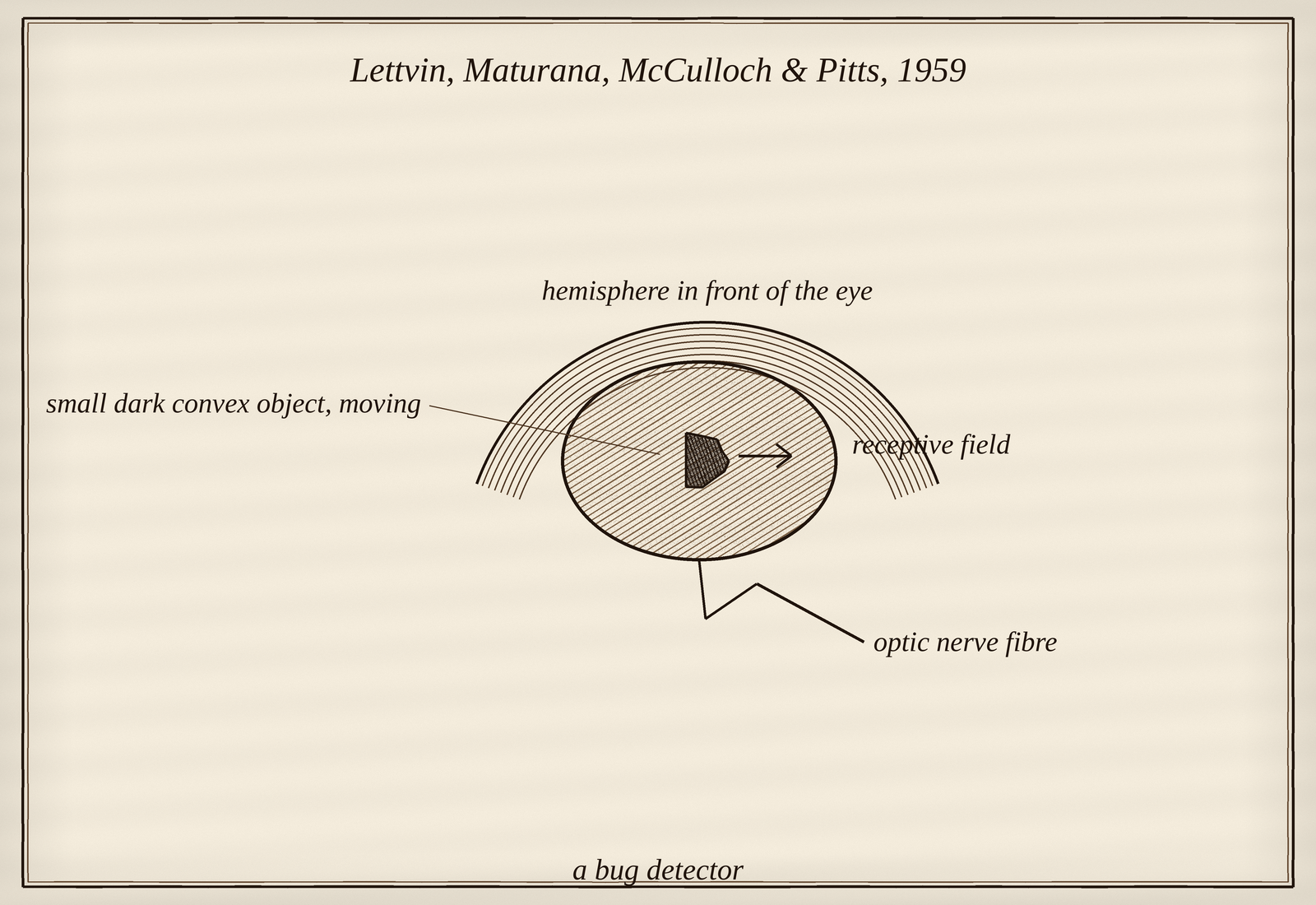
The paintings, prints and old objects are photographs and scans released into the public domain or under CC0 by the institutions below, found through Wikimedia Commons. We made smaller copies to keep the site light. The tour has its own copies of the same files: small ones for the walls and larger ones, about 1100 pixels, behind each "look closer" link. Everything else (buttons, test patterns, plots, the homage drawings of old objects, the tour's walls) was drawn by script.
| image | date | creator | source | licence | page |
|---|
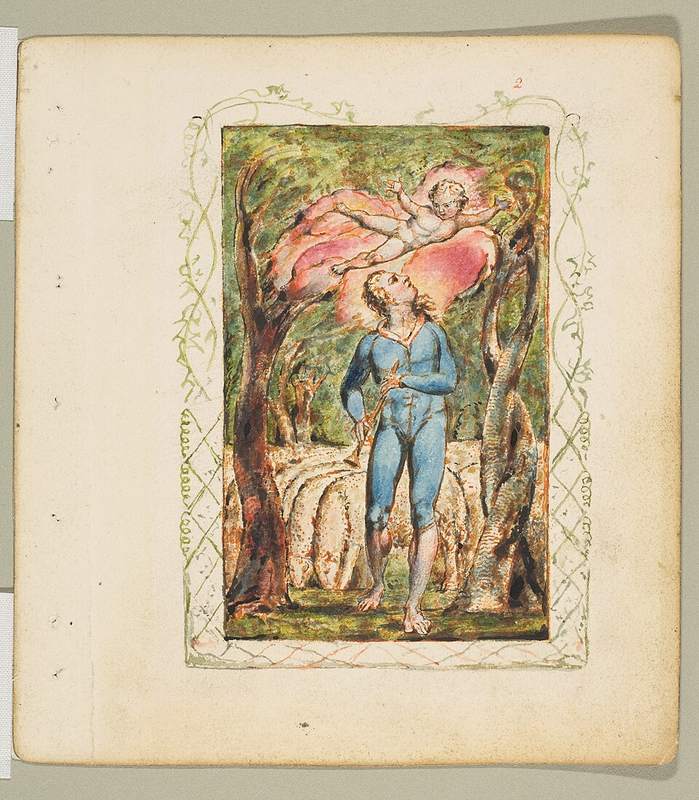
| Songs of Innocence, frontispiece | circa 1825 | William Blake | Metropolitan Museum of Art | Creative Commons Zero, Public Domain Dedication | Commons |
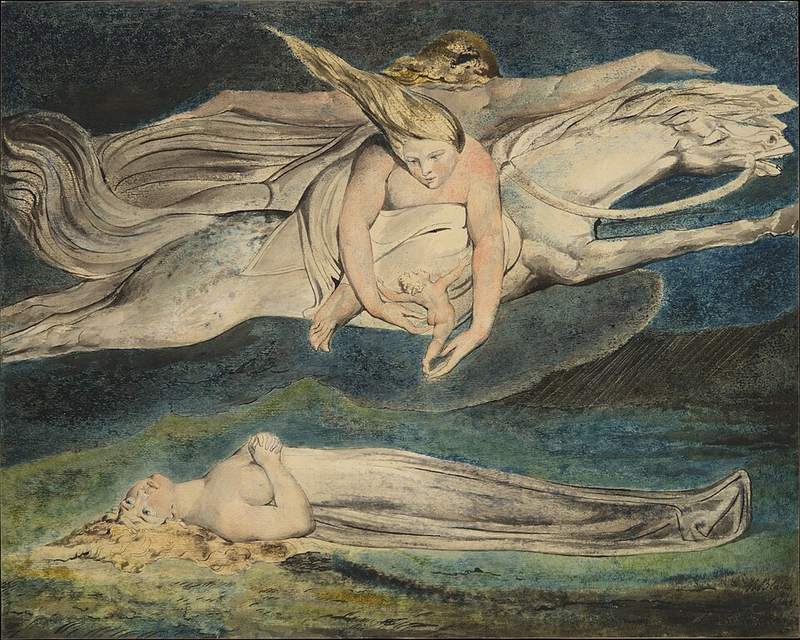
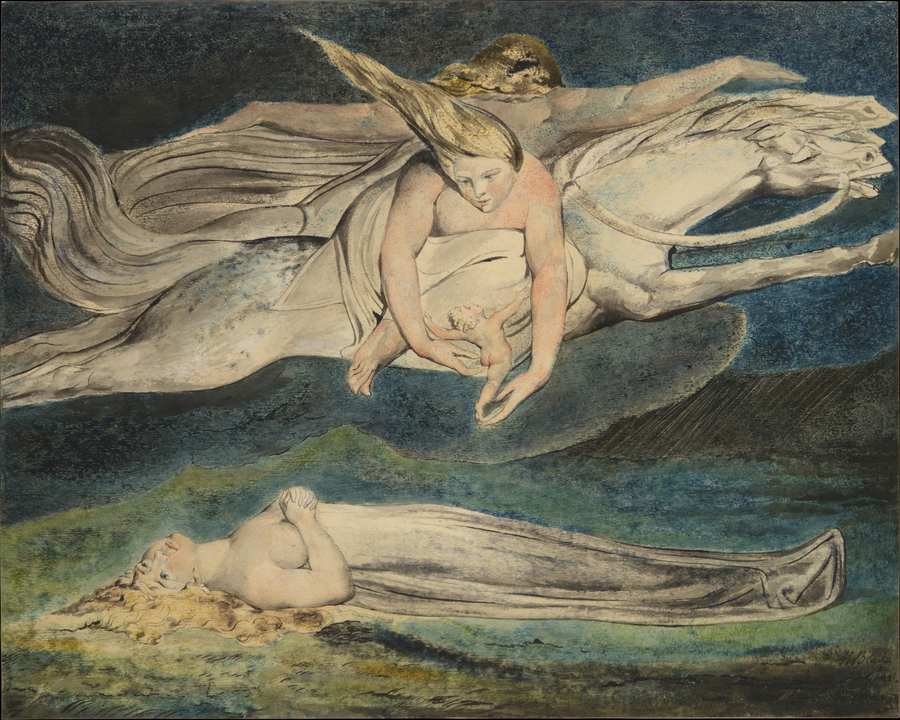
| Pity | circa 1795 | William Blake / William Shakespeare | Metropolitan Museum of Art | Creative Commons Zero, Public Domain Dedication | Commons |
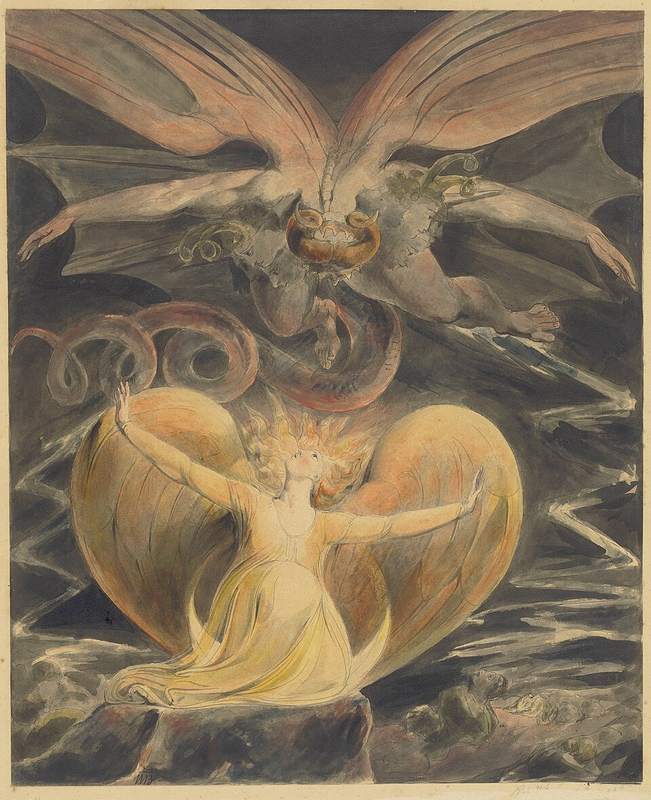
| The Great Red Dragon and the Woman Clothed with the Sun | circa 1805 | William Blake | National Gallery of Art. Please see the Gallery's Open Access Policy. | Creative Commons Zero, Public Domain Dedication | Commons |
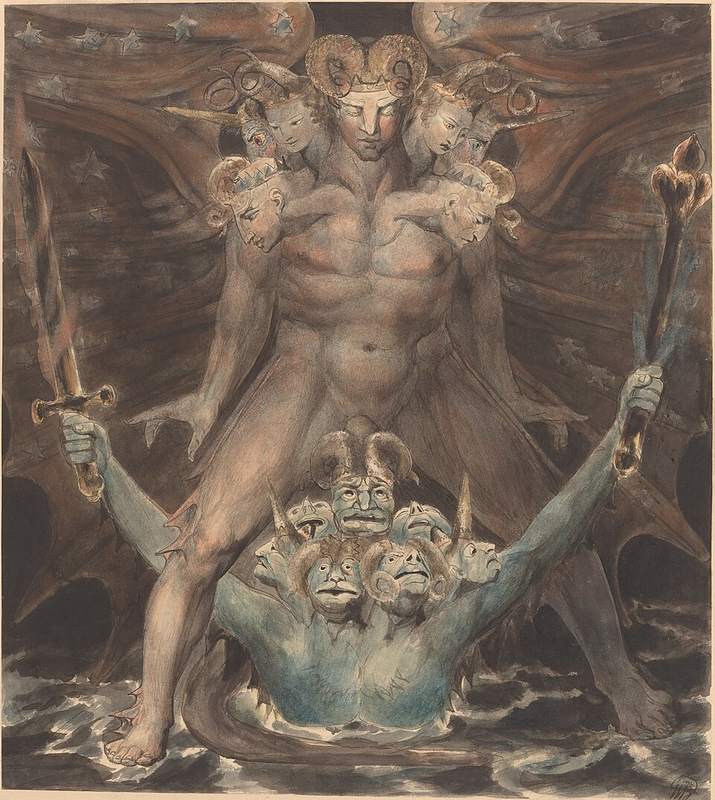
| The Great Red Dragon and the Beast from the Sea | circa 1805 | William Blake | National Gallery of Art. Please see the Gallery's Open Access Policy. | Creative Commons Zero, Public Domain Dedication | Commons |
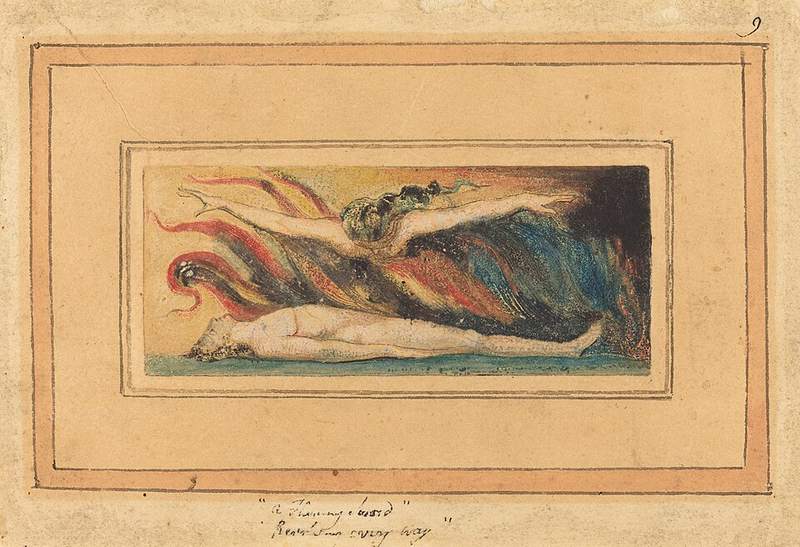
| The Soul Hovering Over the Body | circa 1796 | William Blake | National Gallery of Art. Please see the Gallery's Open Access Policy. | Creative Commons Zero, Public Domain Dedication | Commons |
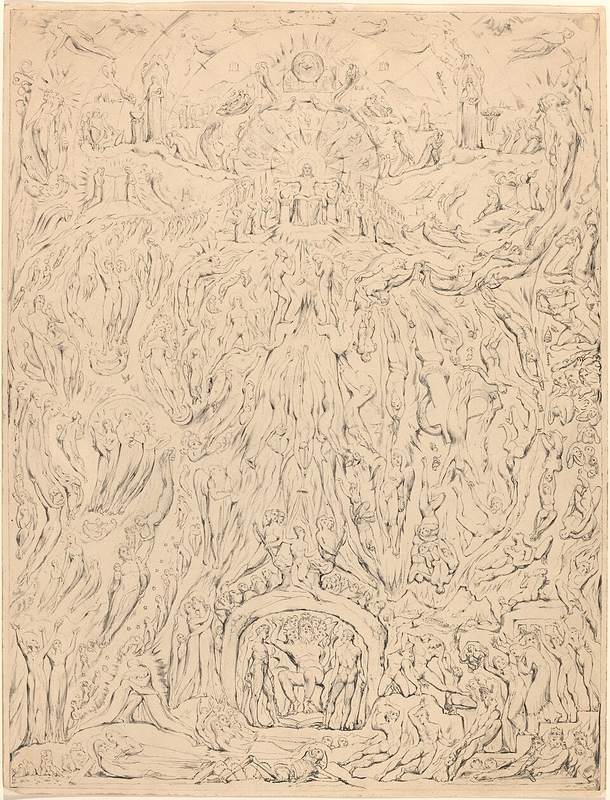
| The Last Judgment | circa 1809 | William Blake | National Gallery of Art. Please see the Gallery's Open Access Policy. | Creative Commons Zero, Public Domain Dedication | Commons |
| Job and His Daughters | circa 1821 | William Blake | National Gallery of Art. Please see the Gallery's Open Access Policy. | Creative Commons Zero, Public Domain Dedication | Commons |
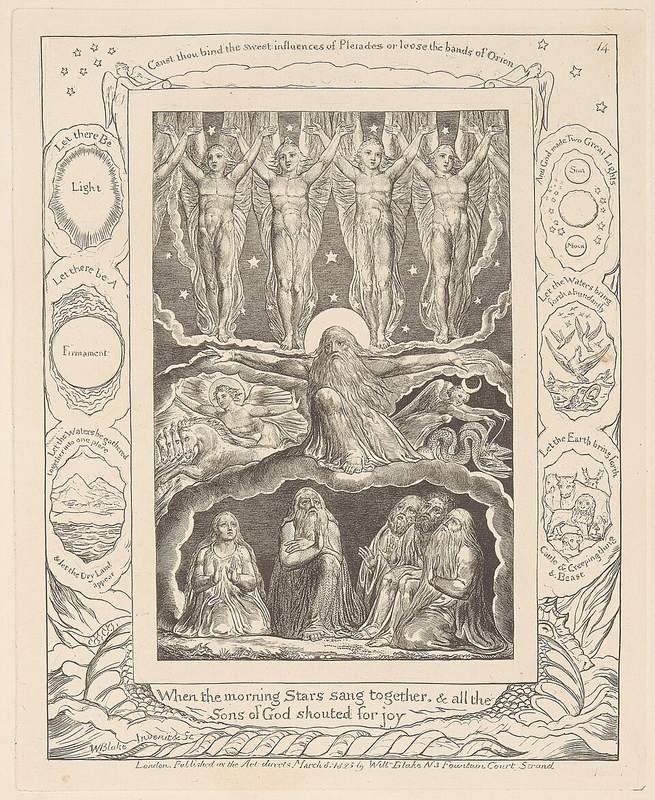
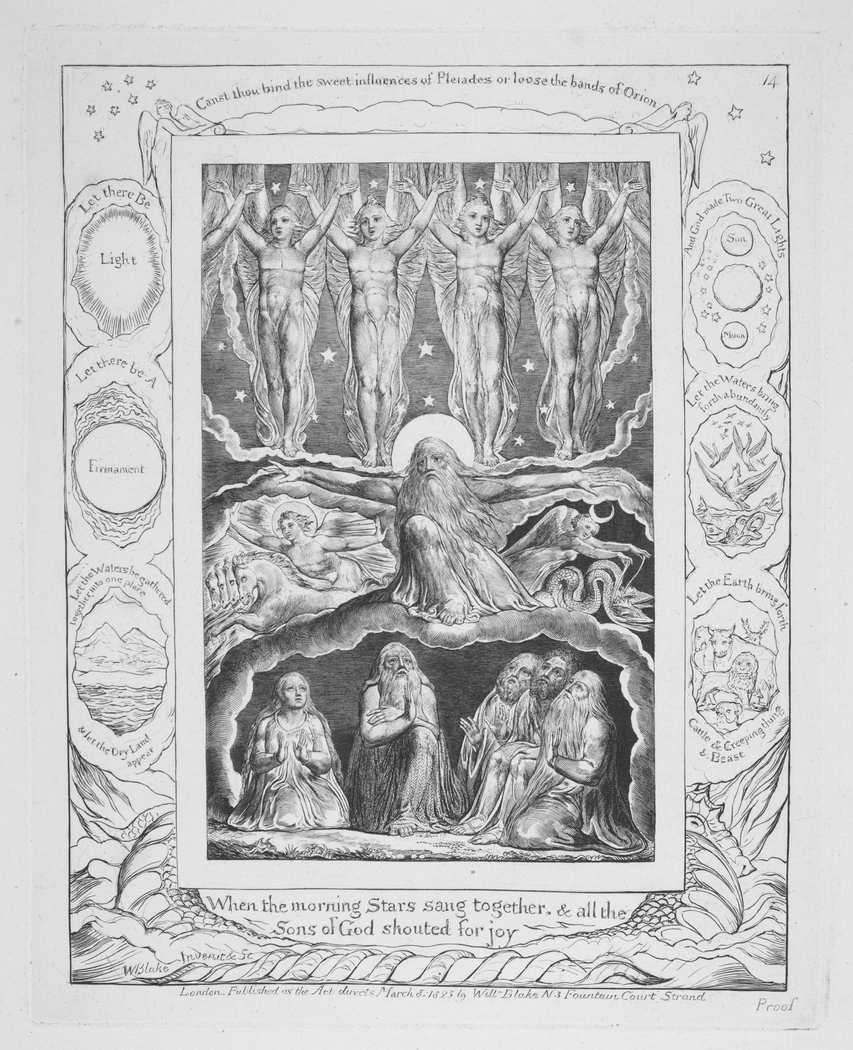
| When the Morning Stars Sang Together (Job pl. 14) | 1825 | William Blake | Yale Center for British Art | Creative Commons Zero, Public Domain Dedication | Commons |
| Visions of the Daughters of Albion | 1793 | William Blake | Yale Center for British Art | Creative Commons Zero, Public Domain Dedication | Commons |
| The (First) Book of Urizen | 1794 | William Blake | Yale Center for British Art | Creative Commons Zero, Public Domain Dedication | Commons |
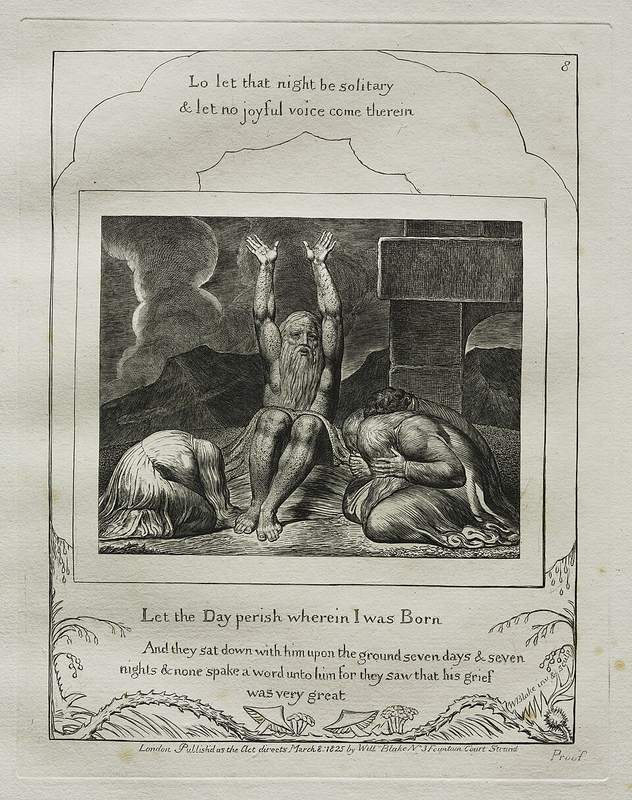
| Let the Day perish wherein I was Born (Job pl. 8) | 1825 | William Blake | https://clevelandart.org/art/1963.303.9 | Creative Commons Zero, Public Domain Dedication | Commons |
| The Thought of Death alone, the Fear Destroys | 1790 | William Blake | https://clevelandart.org/art/1932.318 | Creative Commons Zero, Public Domain Dedication | Commons |
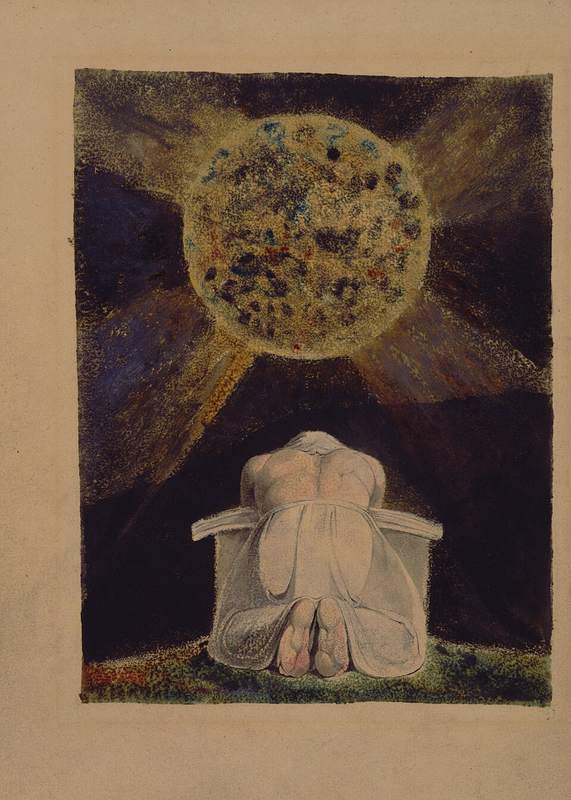
| Sconfitta, frontispiece to The Song of Los | 1795 | William Blake | Library of Congress | Public domain | Commons |
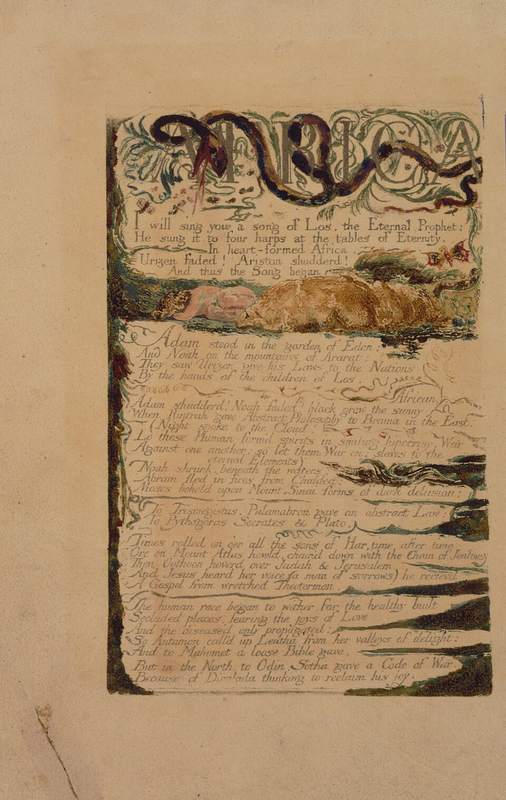
| The Song of Los, plate 3 | 1795 | William Blake | Library of Congress | Public domain | Commons |
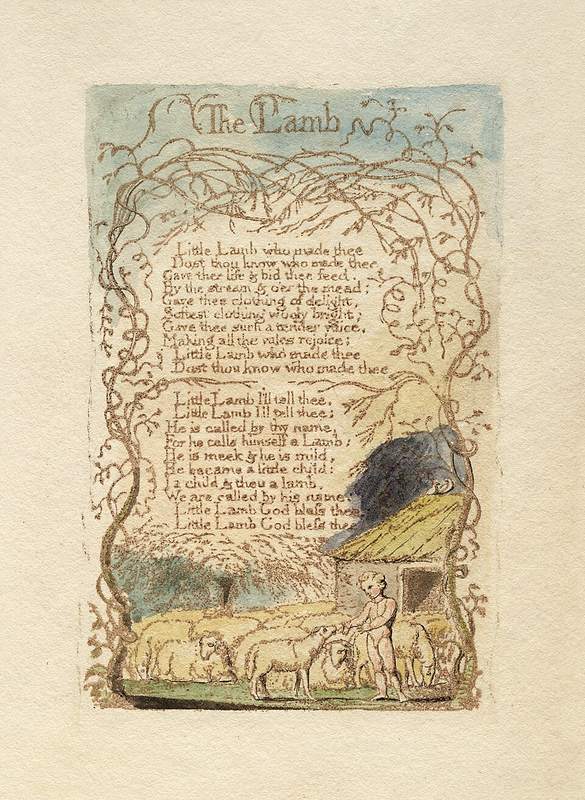
| The Lamb | 1794 | William Blake | William Blake Digital Materials from the Lessing J. Rosenwald Collection, Library of Congress | Public domain | Commons |
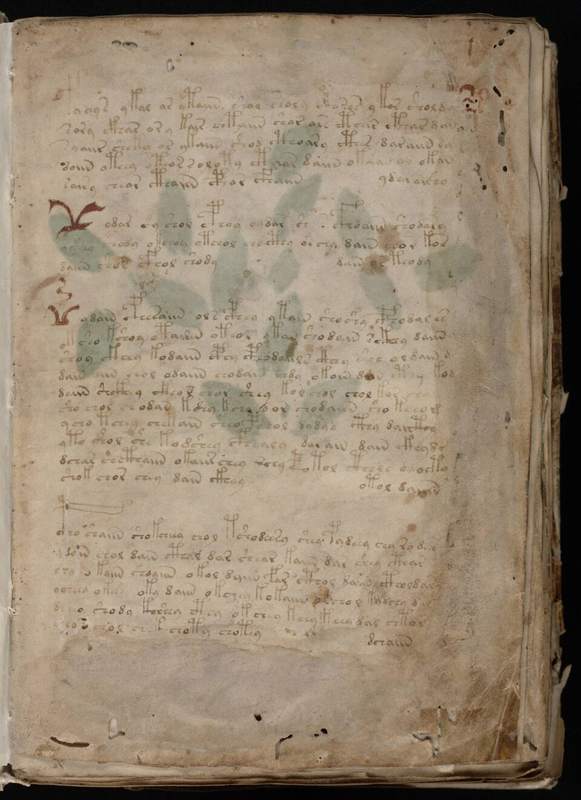
| Voynich manuscript, a page | undated; vellum radiocarbon-dated 1404–1438 | Unknown authorUnknown author | Beinecke Rare Book & Manuscript Library, Yale University ([1]). | Public domain | Commons |
| Cuneiform tablet: student exercise tablet | ca. 20th–16th century B.C. | unknown | Metropolitan Museum of Art | Creative Commons Zero, Public Domain Dedication | Commons |
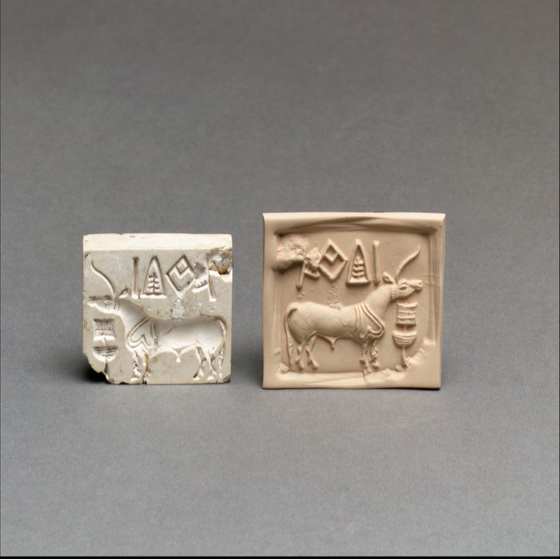
| Indus stamp seal with unicorn | circa 2600–1900 B.C. | unknown | Metropolitan Museum of Art | Creative Commons Zero, Public Domain Dedication | Commons |
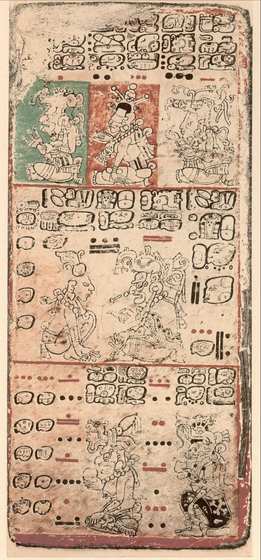
| Dresden Codex, page 9 (1880 facsimile) | 1880 | Unknown authorUnknown author | From http://www.famsi.org/mayawriting/codices/dresden.html | Public domain | Commons |
| Terracotta loom weight | n.d. | unknown | The Metropolitan Museum of Art | CC0 (Met Open Access) | source |
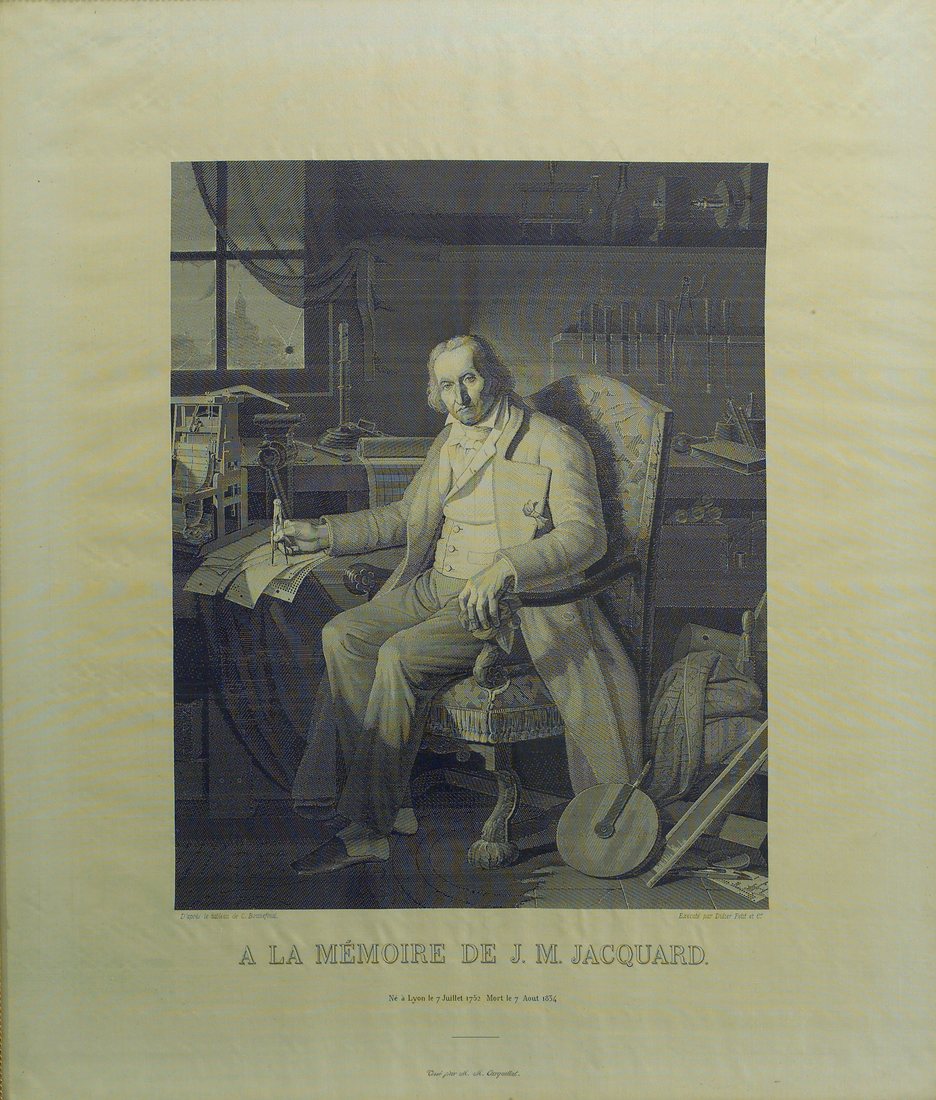
| Joseph Marie Jacquard, woven silk | 1839 | Didier, Petit et Cie | The Metropolitan Museum of Art | CC0 (Met Open Access) | source |
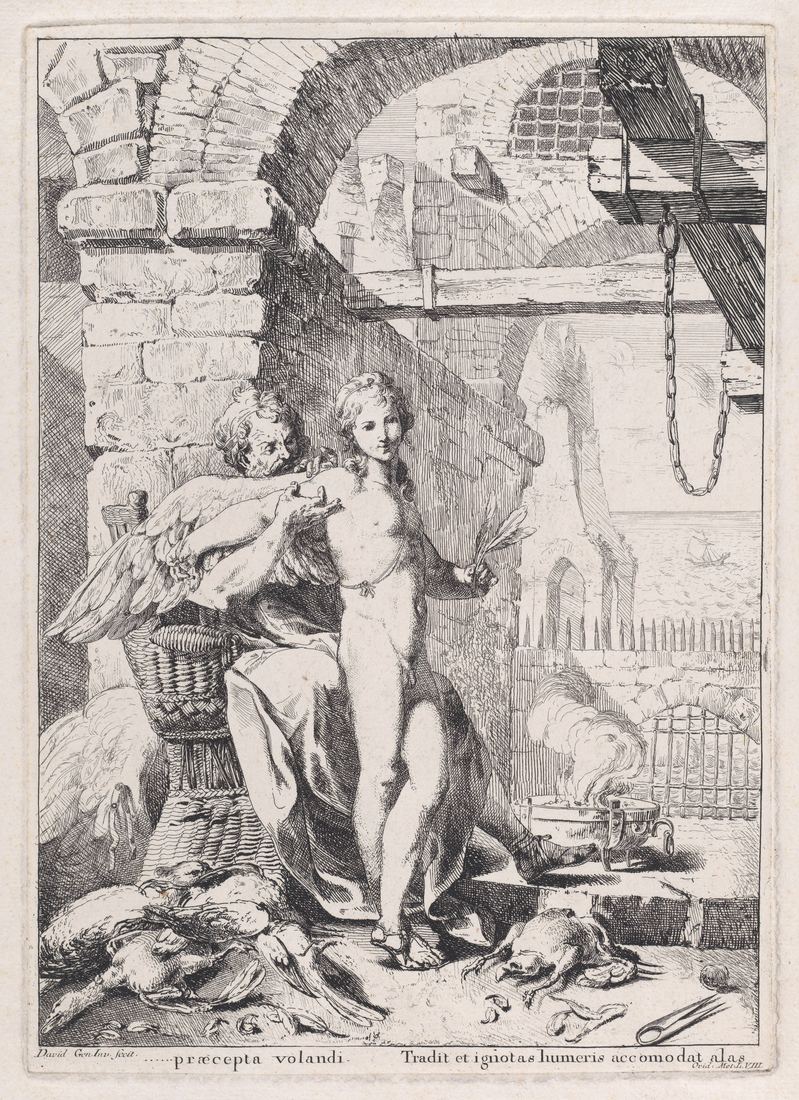
| Icarus and Daedalus | 1775 | Giovanni David | The Metropolitan Museum of Art | CC0 (Met Open Access) | source |
| Empty gilt frame (r26-painting-01) | drawn for this site | drawn by script | this site | empty slot, not a painting | |
| Empty gilt frame (r26-painting-02) | drawn for this site | drawn by script | this site | empty slot, not a painting | |
| image | date | creator | source | licence | page |
|---|
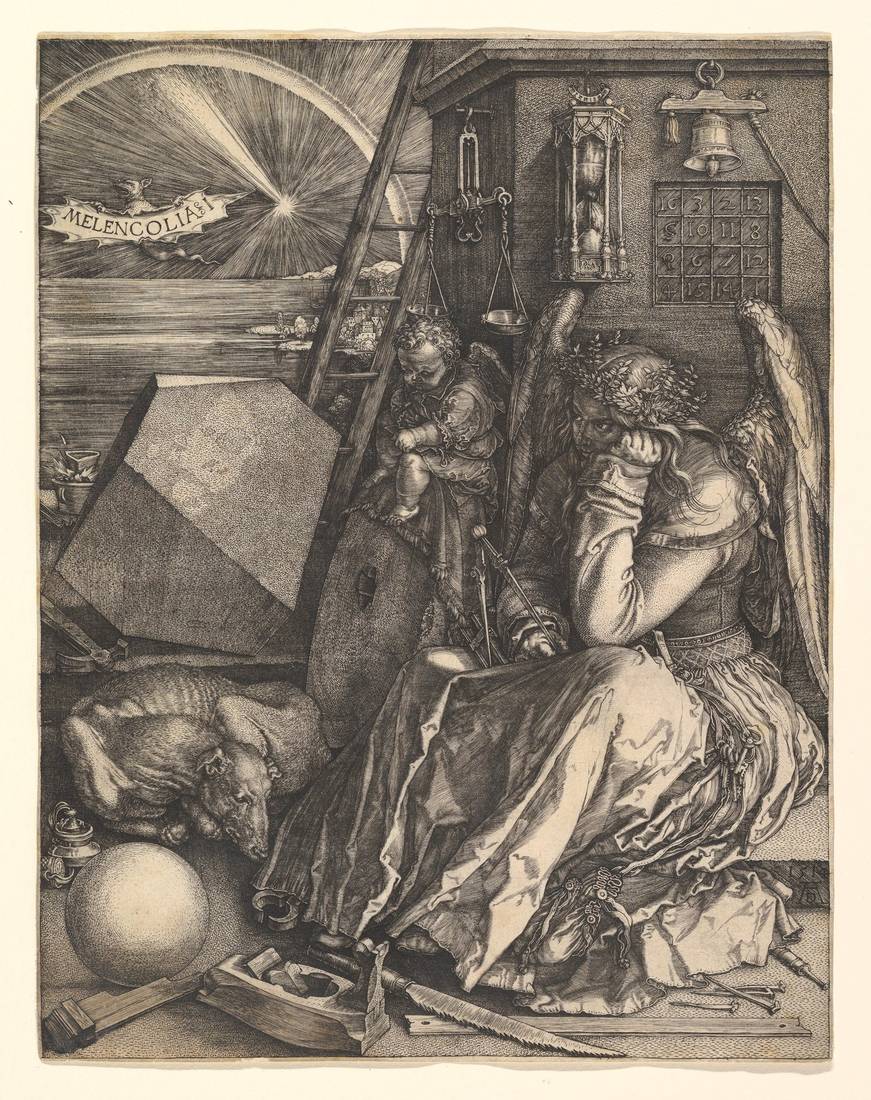
| Melencolia I | 1514 | Albrecht Dürer | The Metropolitan Museum of Art | CC0 (Met Open Access) | source |
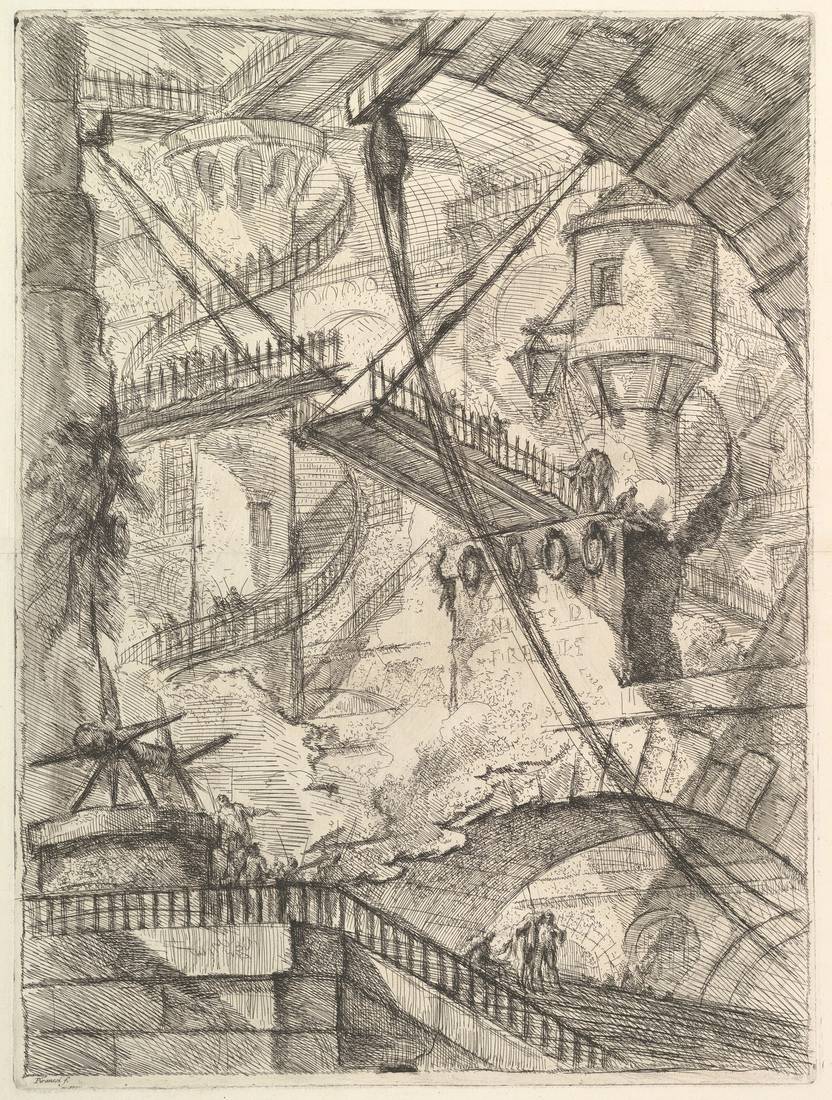
| The Drawbridge, from Carceri d'invenzione | ca. 1749-50 | Giovanni Battista Piranesi | The Metropolitan Museum of Art | CC0 (Met Open Access) | source |
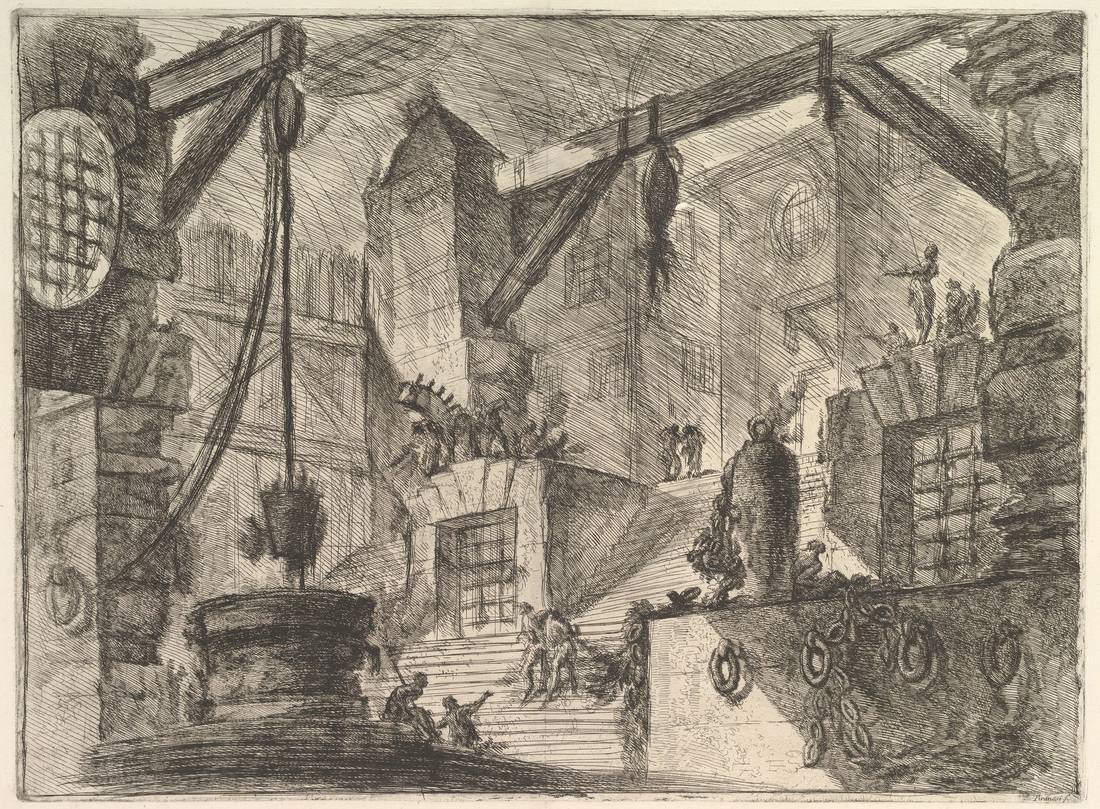
| The Well, from Carceri d'invenzione | ca. 1749-50 | Giovanni Battista Piranesi | The Metropolitan Museum of Art | CC0 (Met Open Access) | source |
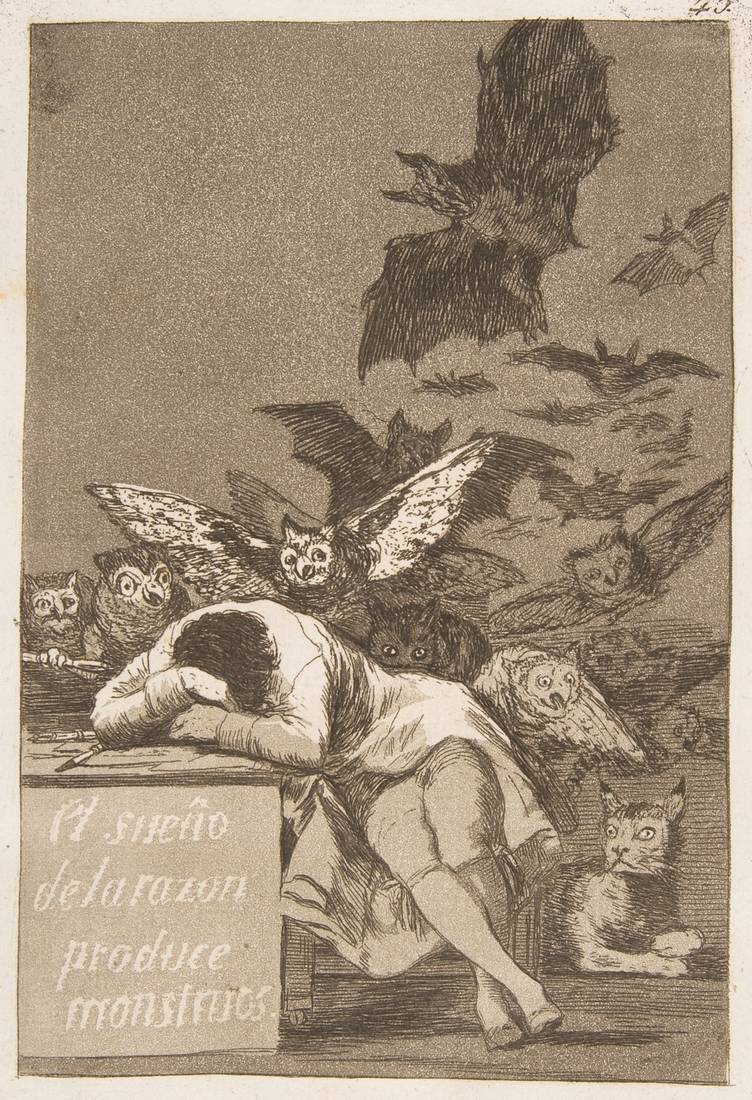
| Los Caprichos, plate 43: The sleep of reason produces monsters (cropped to the plate) | 1799 | Francisco de Goya | The Metropolitan Museum of Art | CC0 (Met Open Access) | source |
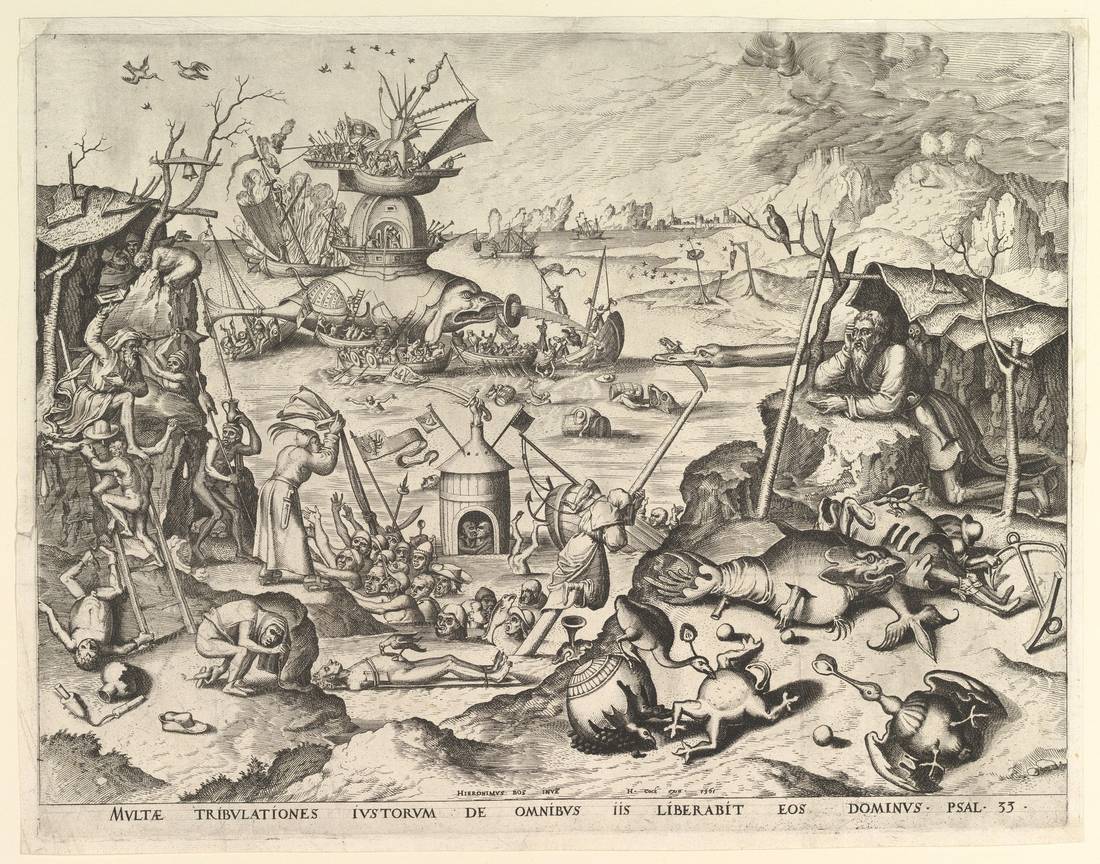
| The Temptation of St. Anthony | undated | after Hieronymus Bosch | The Metropolitan Museum of Art | CC0 (Met Open Access) | source |
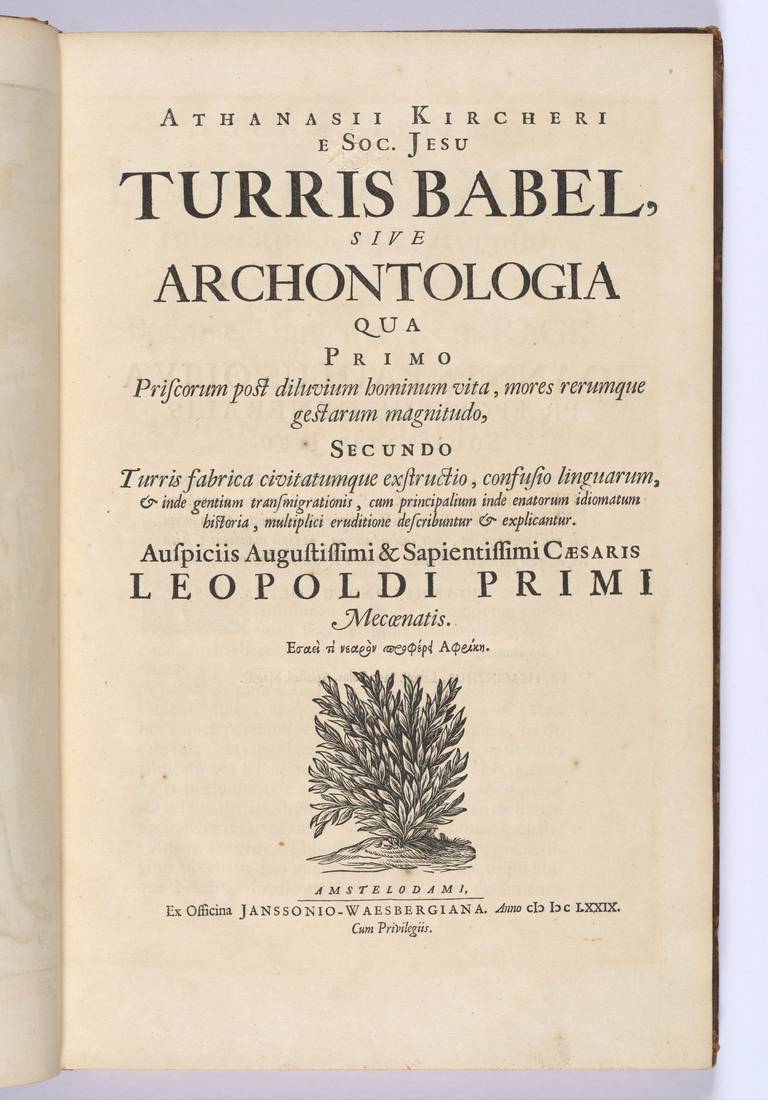
| Turris Babel, title page | 1679 | Athanasius Kircher | The Metropolitan Museum of Art | CC0 (Met Open Access) | source |
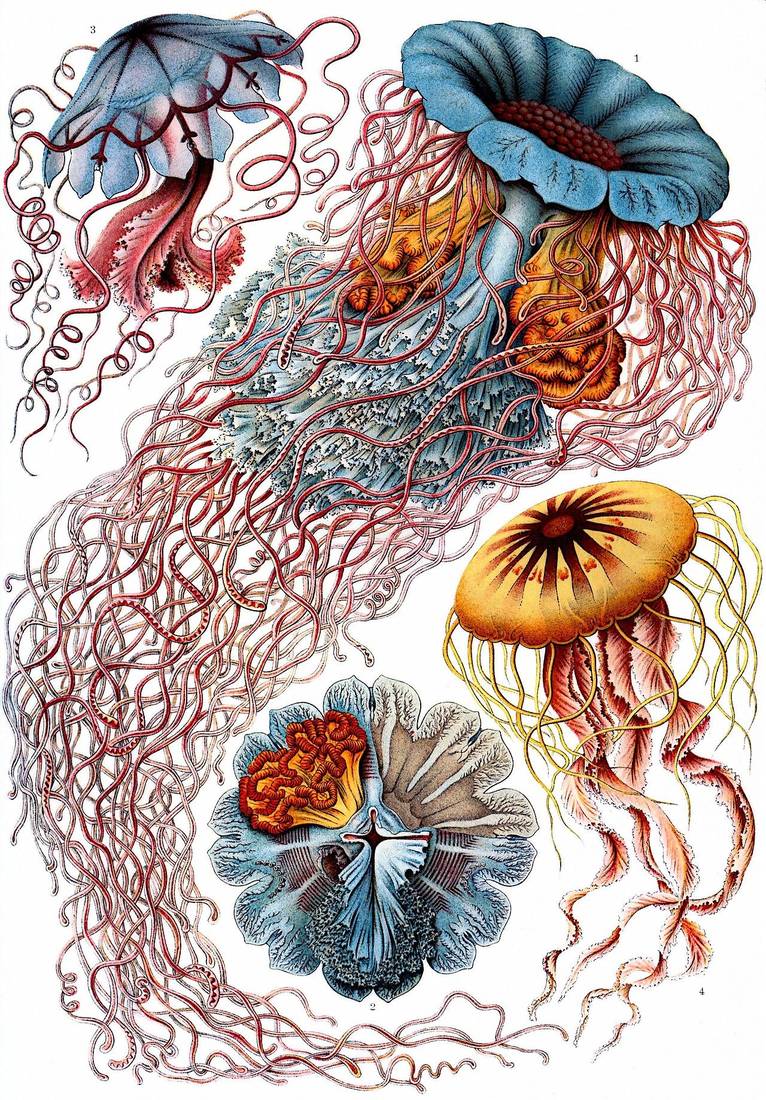
| Kunstformen der Natur, plate 8: Discomedusae | 1904 | Ernst Haeckel | Wikimedia Commons | Public domain | source |
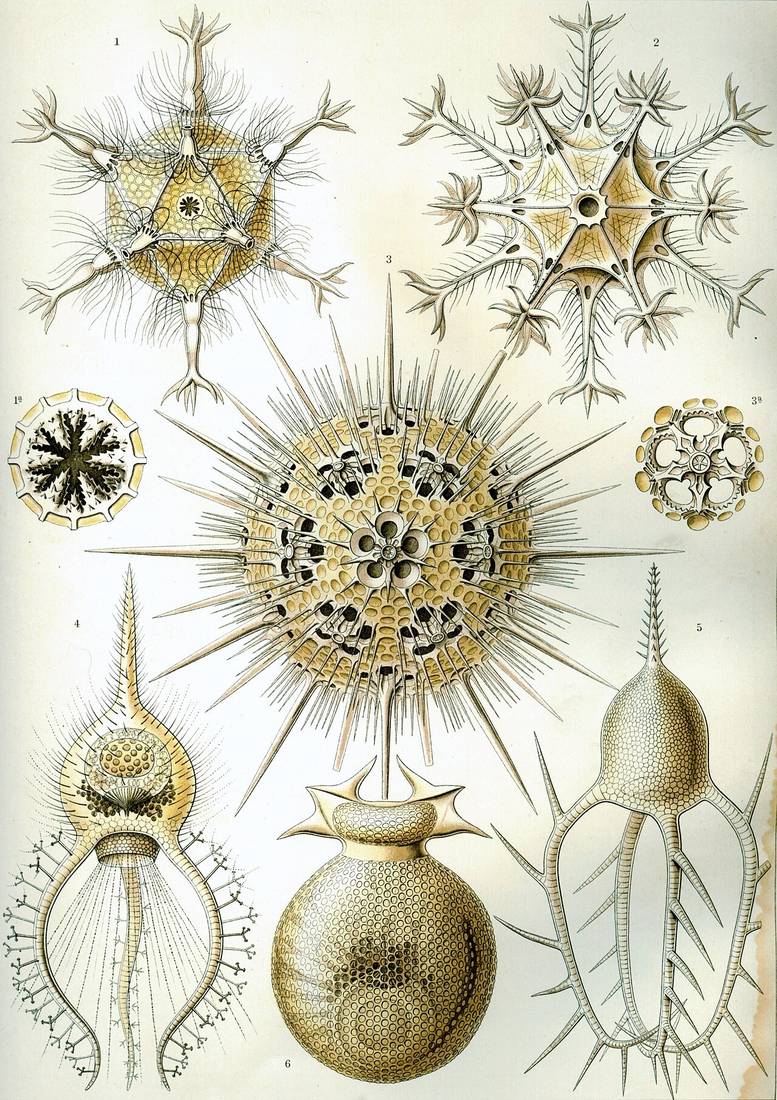
| Kunstformen der Natur, plate 1: Phaeodaria | 1904 | Ernst Haeckel | Wikimedia Commons | Public domain | source |
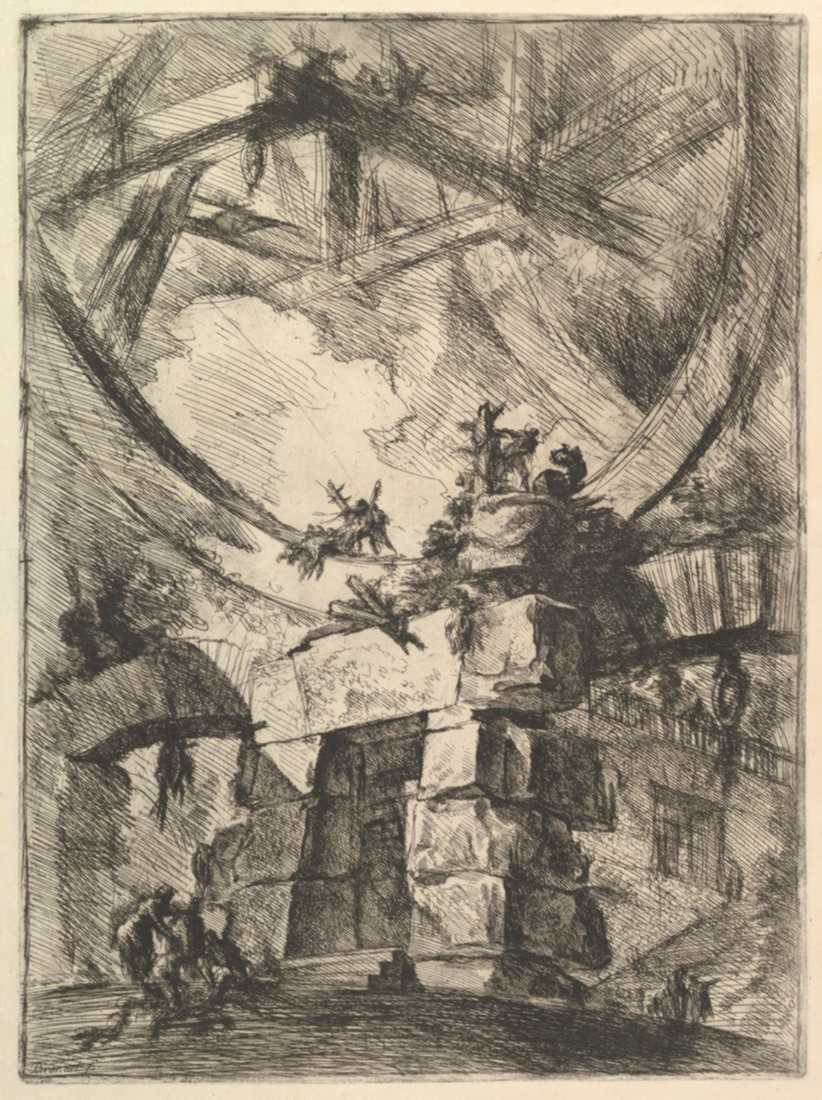
| The Giant Wheel, from Carceri d'invenzione | ca. 1749-50 | Giovanni Battista Piranesi | The Metropolitan Museum of Art | CC0 (Met Open Access) | source |
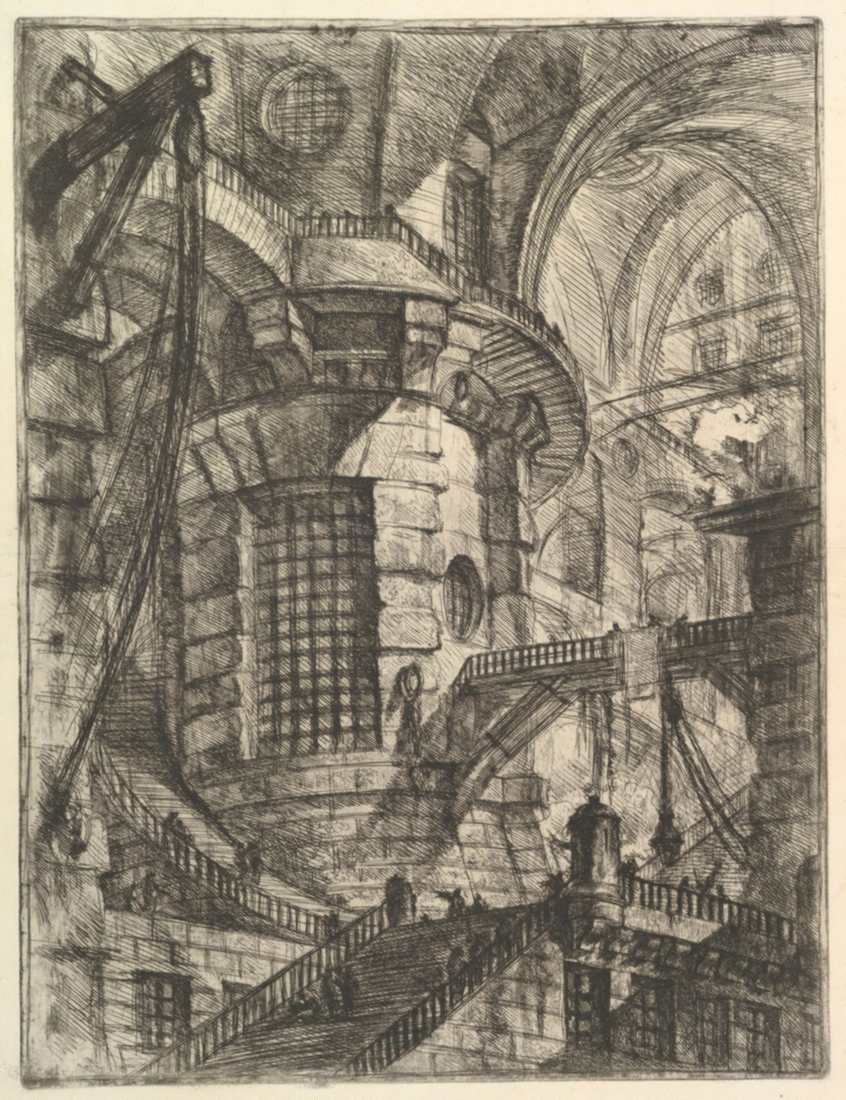
| The Round Tower, from Carceri d'invenzione | ca. 1749-50 | Giovanni Battista Piranesi | The Metropolitan Museum of Art | CC0 (Met Open Access) | source |
| Los Caprichos, plate 61: They Have Flown (Volaverunt) | 1799 | Francisco de Goya | The Metropolitan Museum of Art | CC0 (Met Open Access) | source |
| Haunting | 1893-94 | Odilon Redon | The Metropolitan Museum of Art | CC0 (Met Open Access) | source |
| The Nightmare (engraving after Fuseli's painting of 1781) | 1783 | Thomas Burke after Henry Fuseli | Wikimedia Commons | Public domain | source |
| Wanderer above the Sea of Fog | about 1818 | Caspar David Friedrich | Hamburger Kunsthalle, via Wikimedia Commons | Public domain | source |
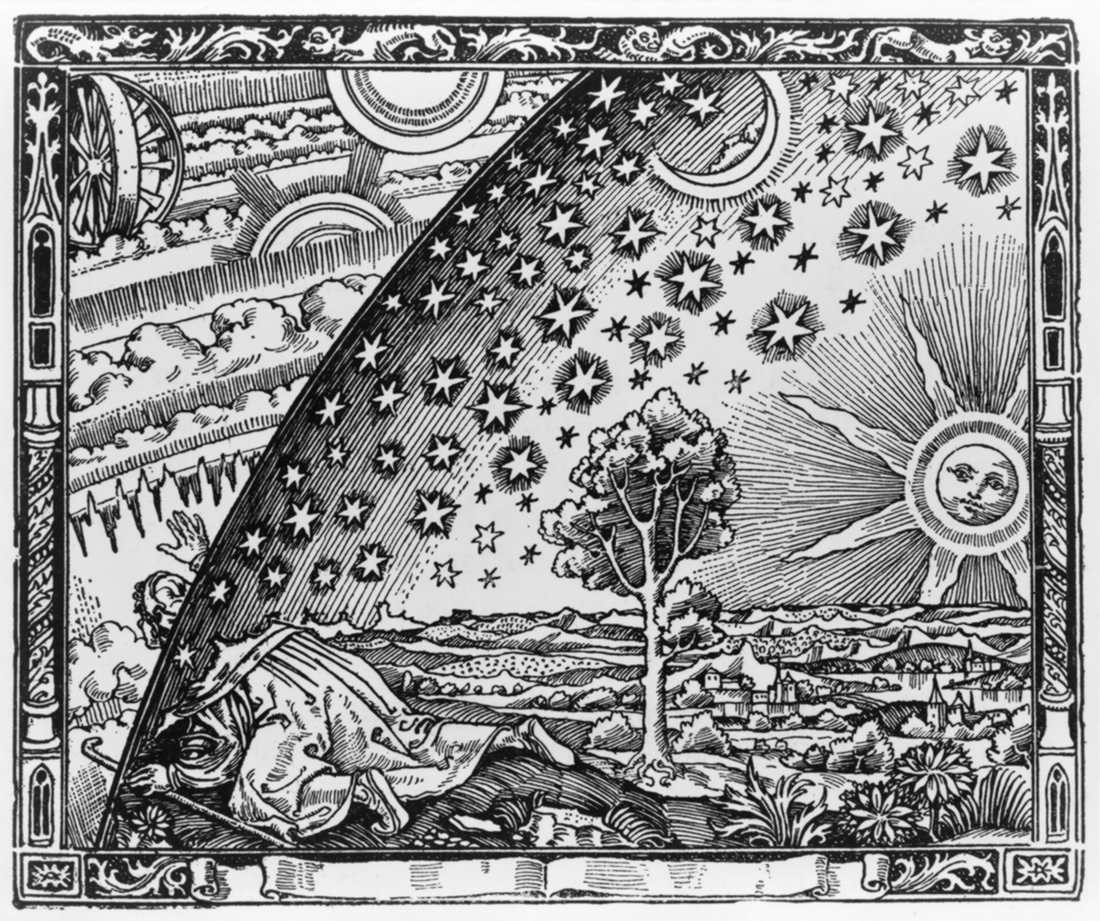
| The Flammarion engraving, from L'Atmosphere: Meteorologie populaire, p. 163 | 1888 | unknown artist, for Camille Flammarion | Wikimedia Commons | Public domain | source |
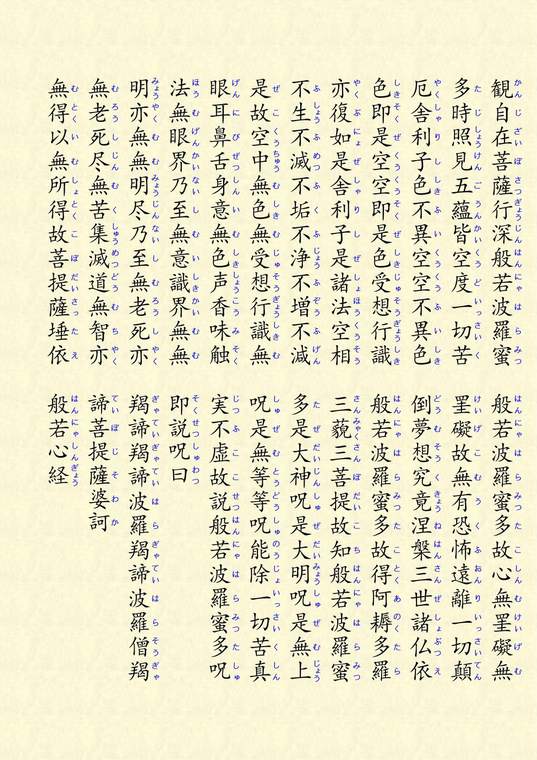
| The Heart Sutra | photo 2021 | ウィキ太郎(Wiki Taro) | Wikimedia Commons | Public domain | source |
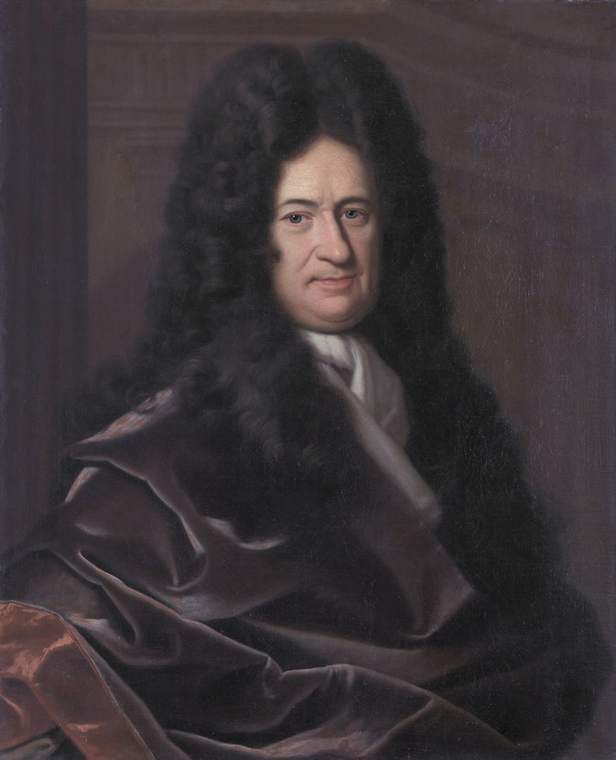
| Leibniz and the hexagrams | before 1729 | Christoph Bernhard Francke | Wikimedia Commons | Public domain | source |
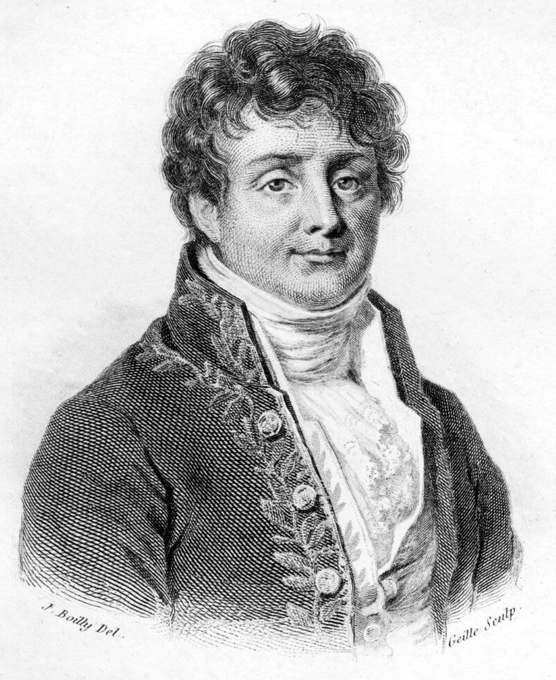
| Fourier, 1822 | circa 1823 | Amédée Félix Barthélemy Geille / After Julien-Léopold Boilly | Wikimedia Commons | Public domain | source |
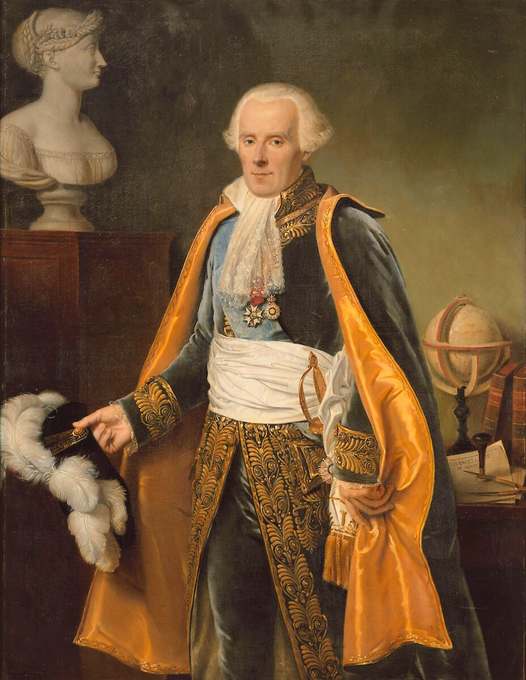
| The rule of succession | 1838 | Jean-Baptiste Paulin Guérin | Wikimedia Commons | Public domain | source |
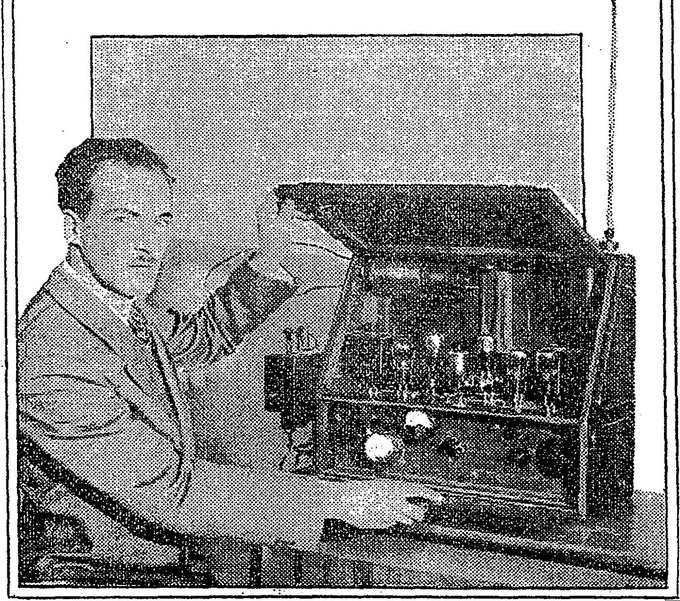
| The theremin | 1928 | The New York Times | Wikimedia Commons | Public domain | source |
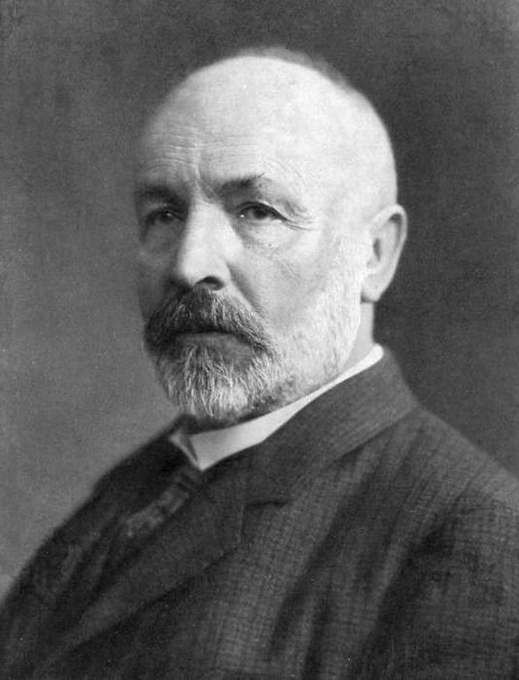
| The diagonal | early 1900s | Unknown author | Wikimedia Commons | Public domain | source |
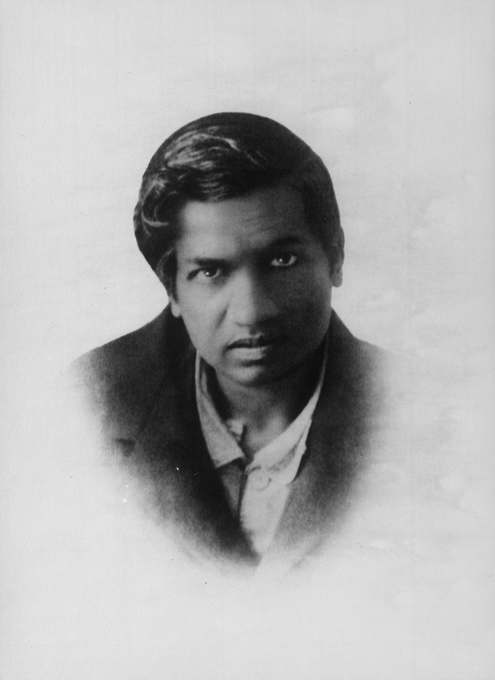
| 1729 | 1913 | Unknown author | Wikimedia Commons | Public domain | source |
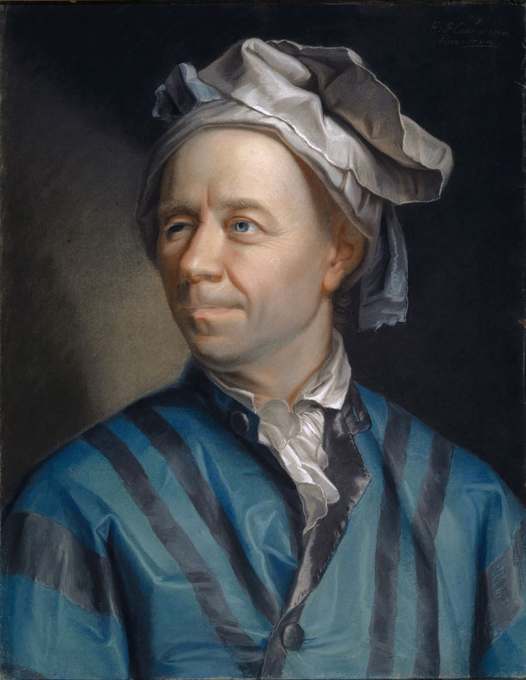
| Euler's identity | 1753 | Jakob Emanuel Handmann | Wikimedia Commons | Public domain | source |
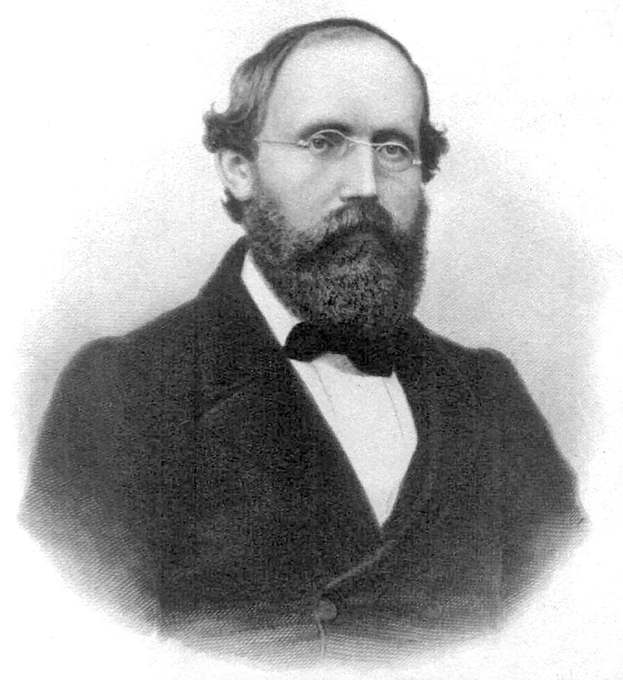
| The zeta function | 1863 | unknown | Wikimedia Commons | Public domain | source |
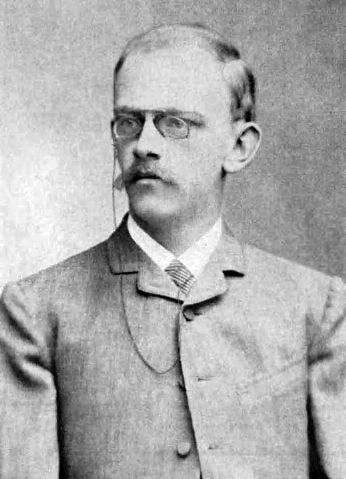
| Hilbert's problems | 1886 | unknown | Wikimedia Commons | Public domain | source |
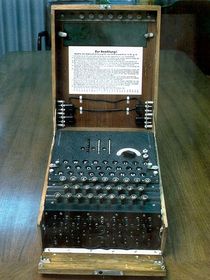
| Enigma | photo 2003 | unknown | Wikimedia Commons | Public domain | source |
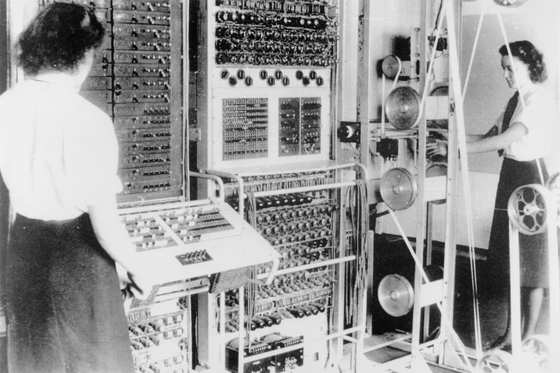
| Colossus | 1943 | Unknown author | Wikimedia Commons | Public domain | source |
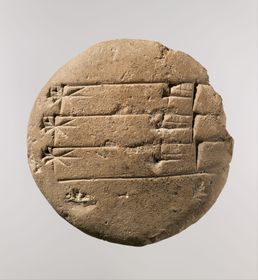
| A school tablet | ca. 20th–16th century B.C. | unknown | Wikimedia Commons | CC0 | source |
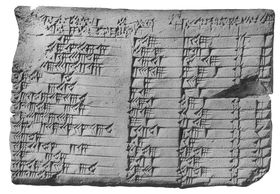
| Plimpton 322 | ca. 1800 BC | photo author unknown | Wikimedia Commons | Public domain | source |
| Jakob Böhme | print, about 1668–1738 | unknown | Rijksmuseum, via Wikimedia Commons | Public domain | source |
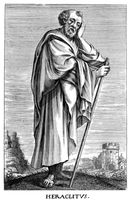
| Heraclitus | engraving, 1655 | from Thomas Stanley, The History of Philosophy | Wikimedia Commons | Public domain | source |
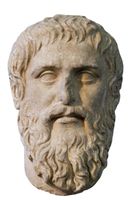
| Plato | Roman copy of Silanion's portrait | Musei Capitolini MC1377 | Wikimedia Commons | Public domain | source |
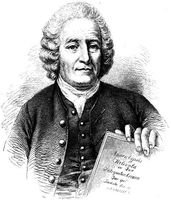
| Emanuel Swedenborg | engraving | unknown | Wikimedia Commons | Public domain | source |
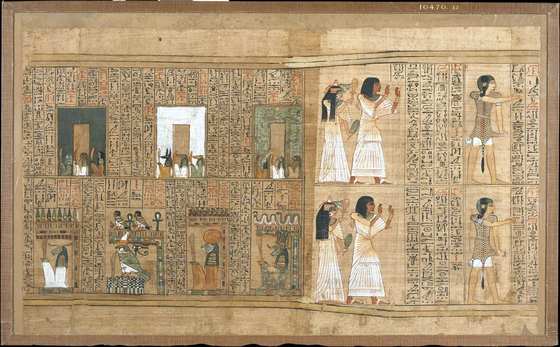
| Papyrus of Ani | photo 2009 | Unknown author | Wikimedia Commons | Public domain | source |
| Indus seal | ca. 2600-1900 BC | unknown | Wikimedia Commons | CC0 | source |
| Dresden Codex | 1880 | Unknown author | Wikimedia Commons | Public domain | source |
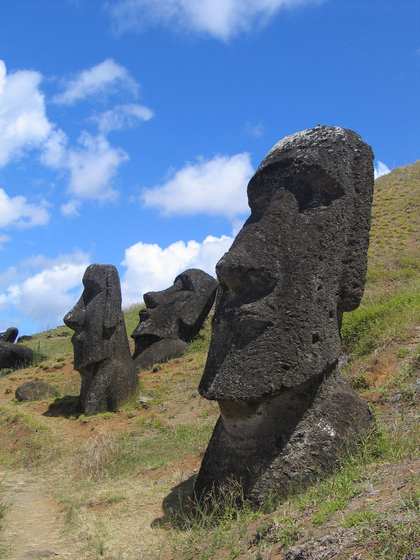
| Moai at Rano Raraku | photo 2004 | Aurbina | Wikimedia Commons | Public domain | source |
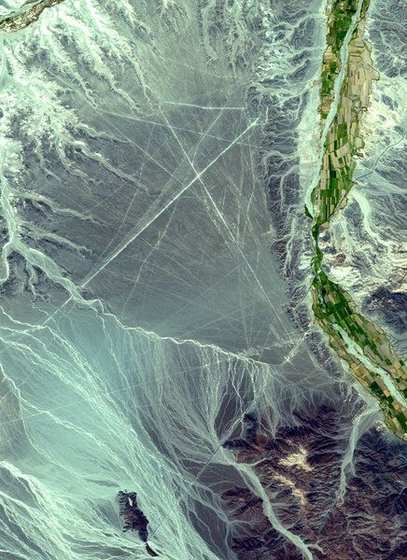
| The Nazca lines | photo 2011 | unknown | Wikimedia Commons | Public domain | source |
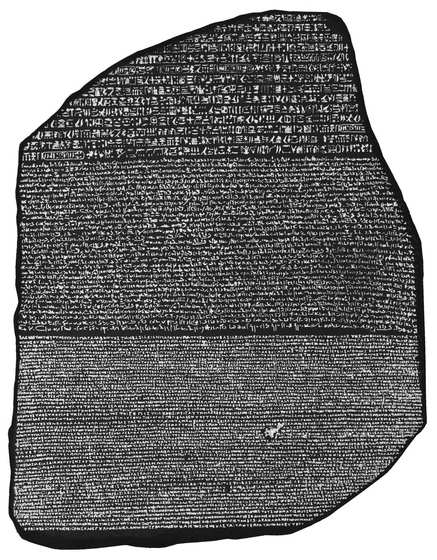
| The Rosetta Stone | image 2009 | Unknown author | Wikimedia Commons | Public domain | source |
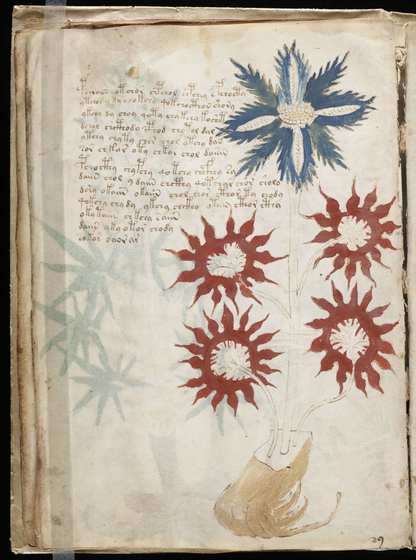
| The Voynich manuscript | vellum dated 1404-1438 | Unknown author | Wikimedia Commons | Public domain | source |
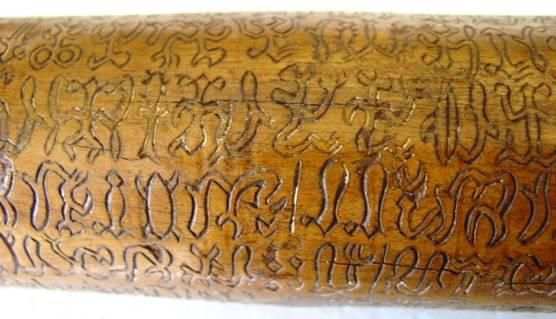
| Rongorongo | undated | Anonymous | Wikimedia Commons | Public domain | source |
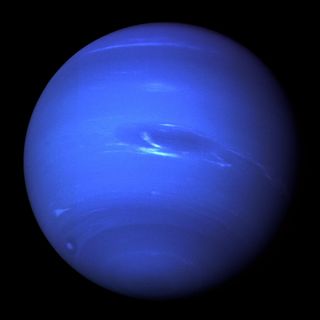
| Neptune | August 1989 | NASA / JPL, Voyager 2 | NASA | Public domain (US government work) | source |
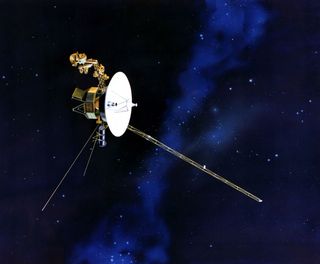
| Voyager spacecraft | catalog date 1 January 1990 | NASA / JPL | NASA | Public domain (US government work) | source |
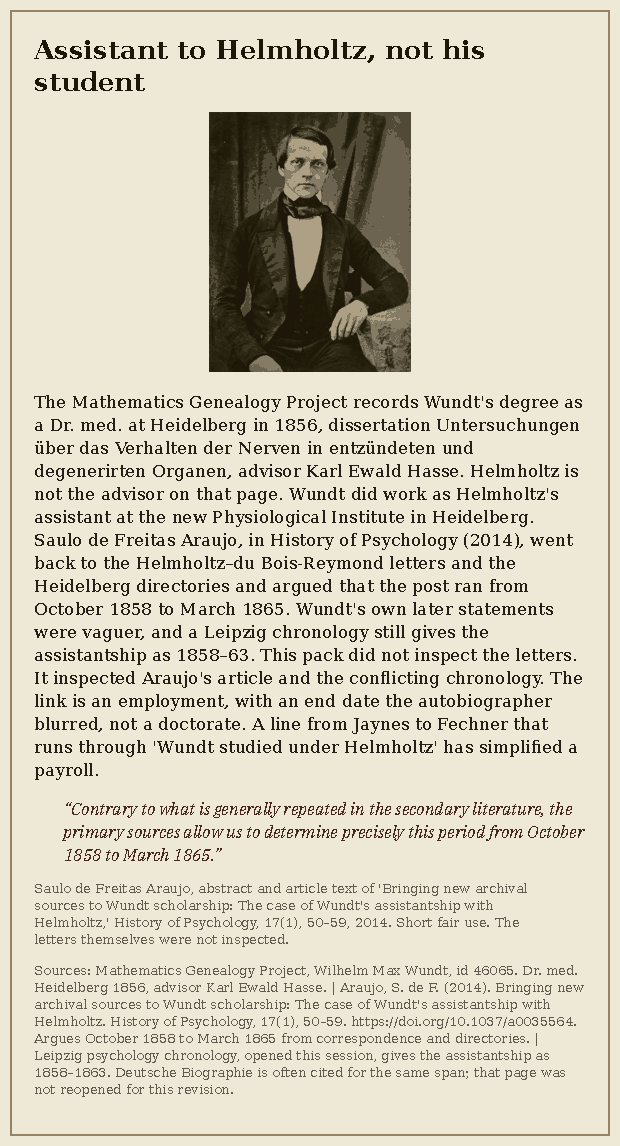
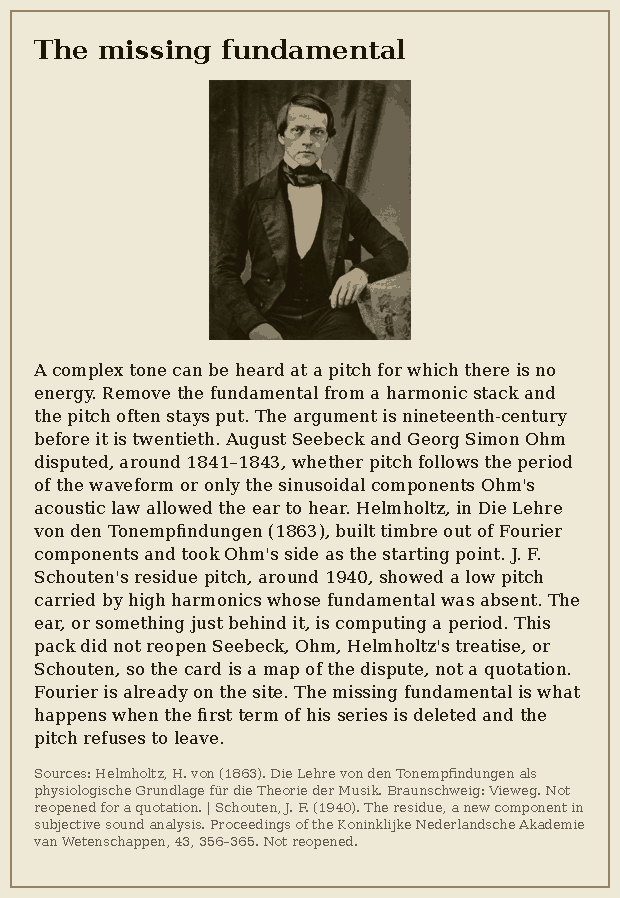
| Hermann von Helmholtz, 1848 daguerreotype | | Unknown photographer. | Wikimedia Commons | Public domain | source |
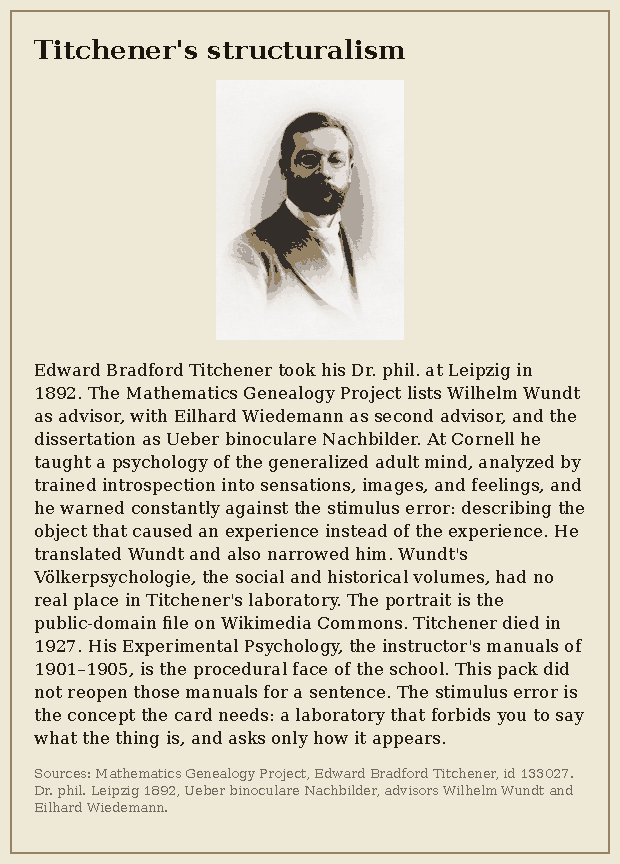
| Edward Bradford Titchener | | Unknown author. | Wikimedia Commons | Public domain | source |
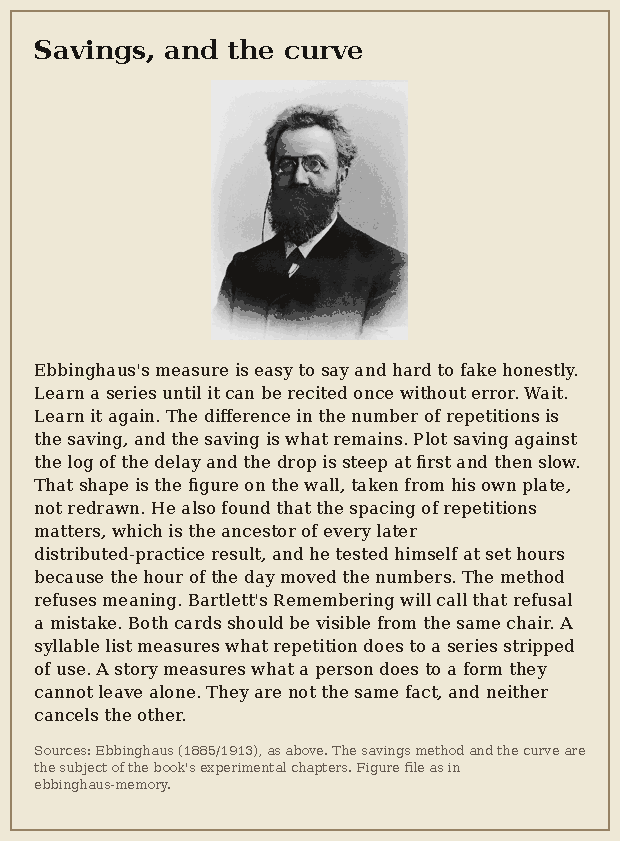
| Hermann Ebbinghaus | | Unknown author. | Wikimedia Commons | Public domain | source |
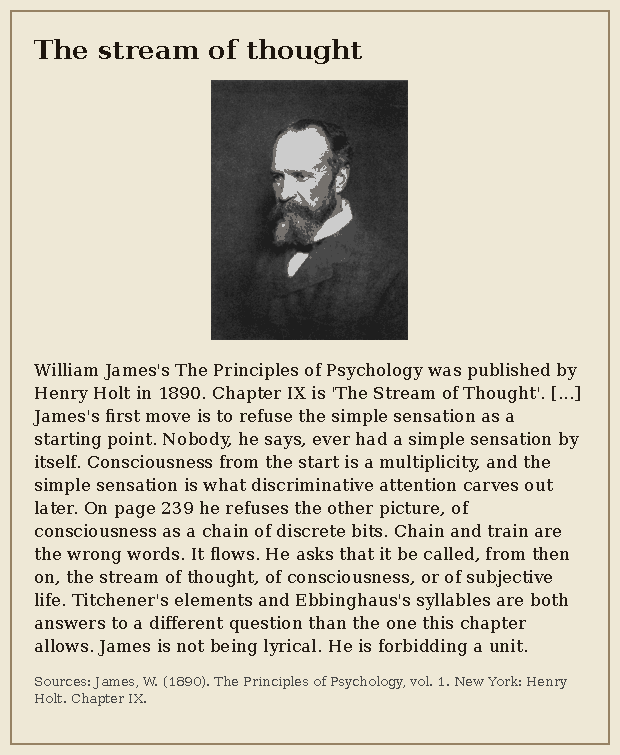
| William James, 1890s | | Photograph by Sarah Choate Sears (1858–1935). | Wikimedia Commons | Public domain | source |
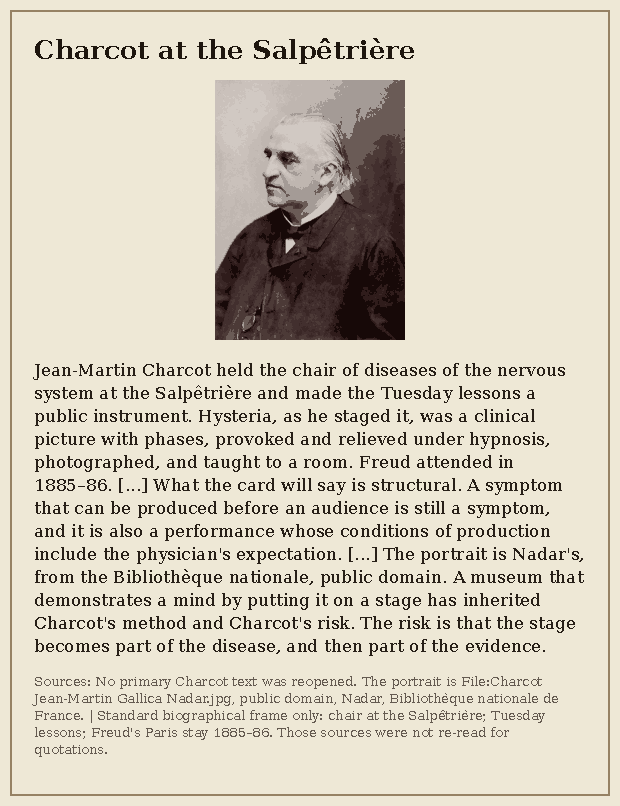
| Jean-Martin Charcot | | Nadar. | Wikimedia Commons | Public domain | source |
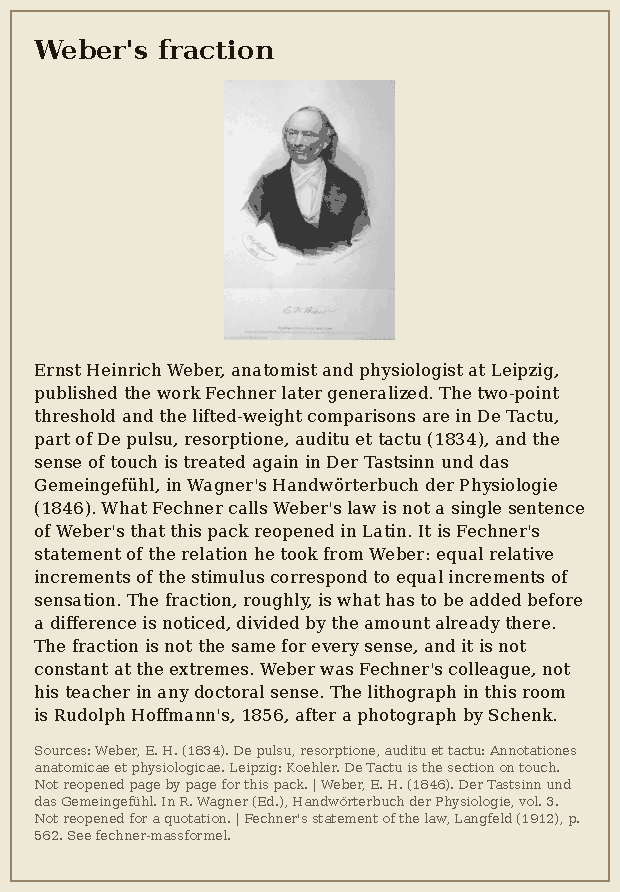
| Ernst Heinrich Weber, 1856 | | Lithograph by Rudolph Hoffmann, 1856, after a photograph by Schenk (Jena), from Gallerie ausgezeichneter Naturforscher (Vienna). | Wikimedia Commons | Public domain | source |
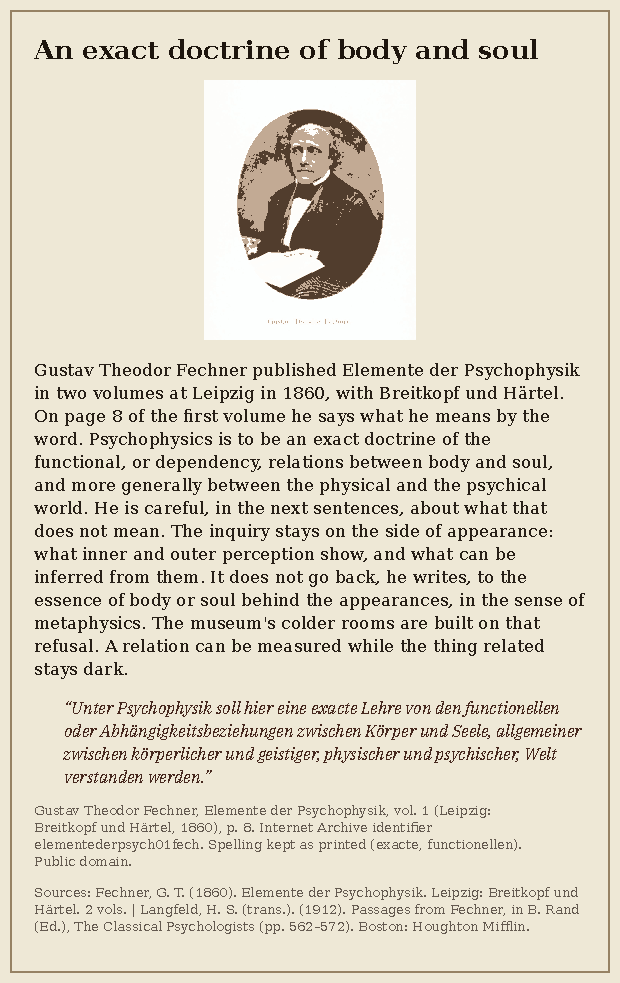
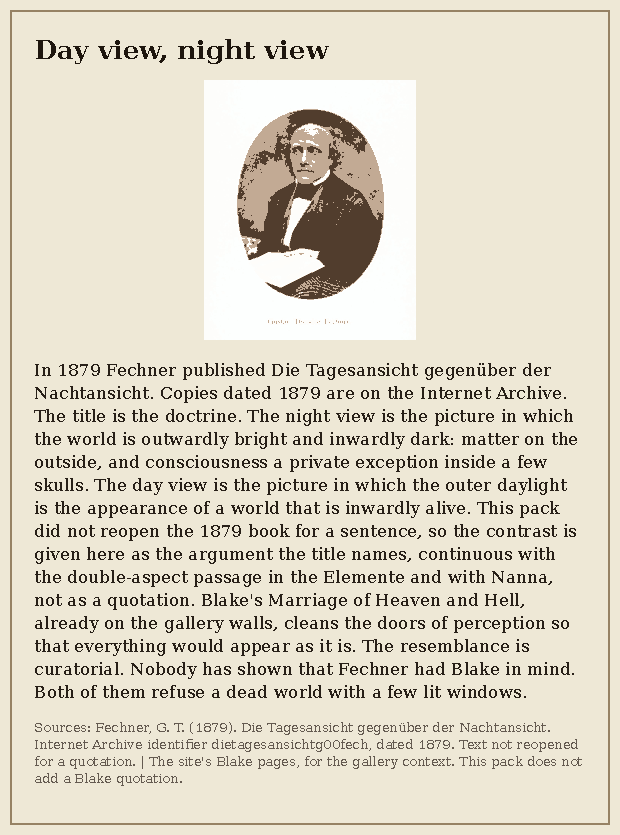
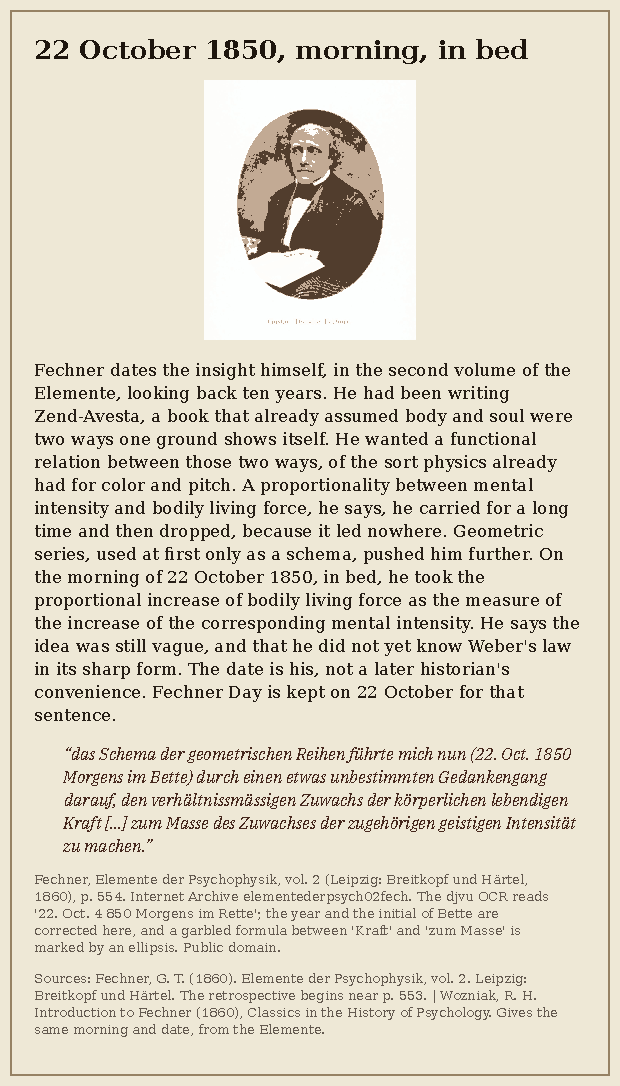
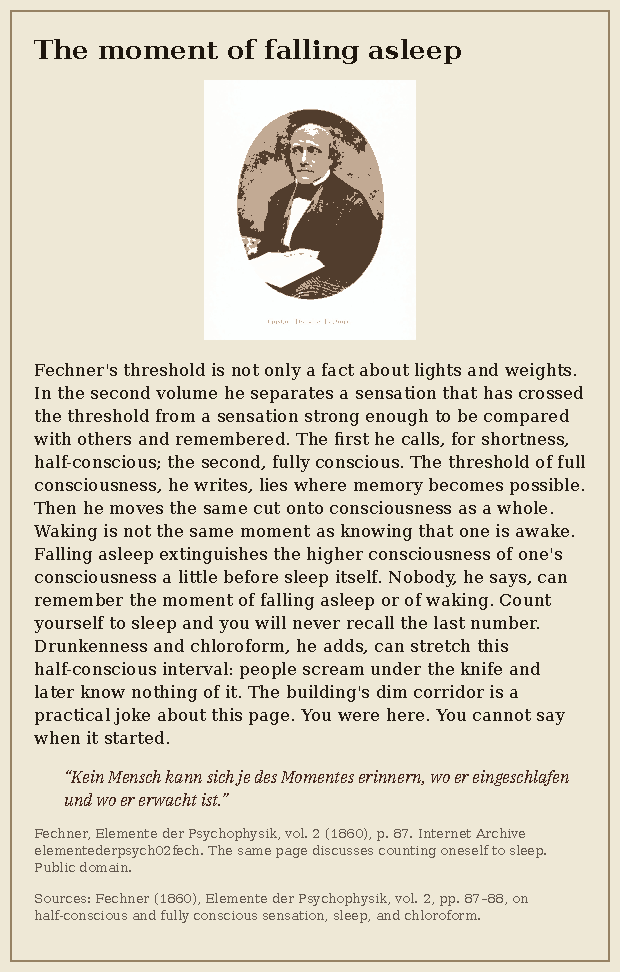
| Gustav Theodor Fechner, middle age | | Unknown author. | Wikimedia Commons | Public domain | source |
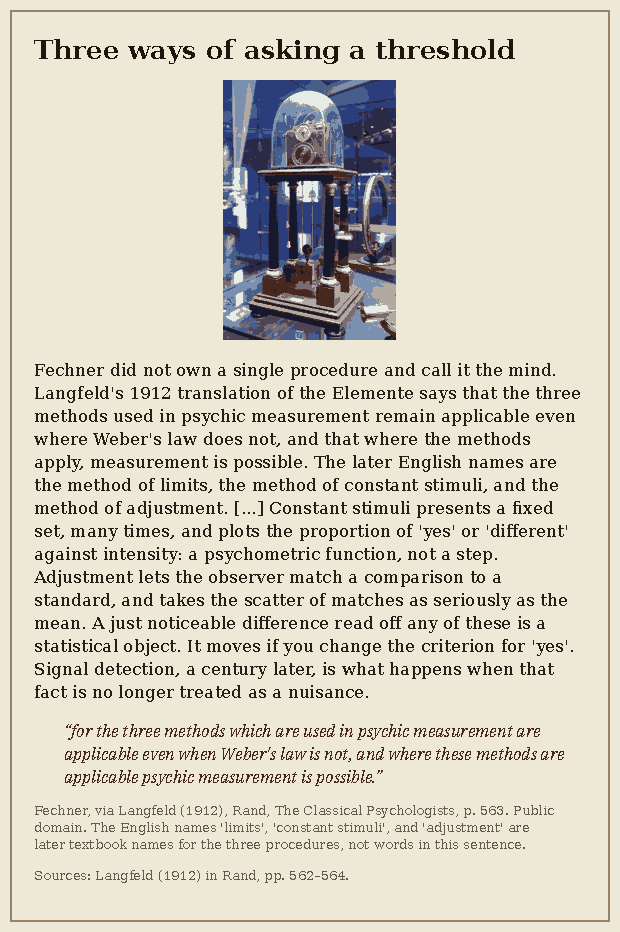
| Hipp chronoscope, about 1890 | | Daderot. | Wikimedia Commons | CC0 | source |
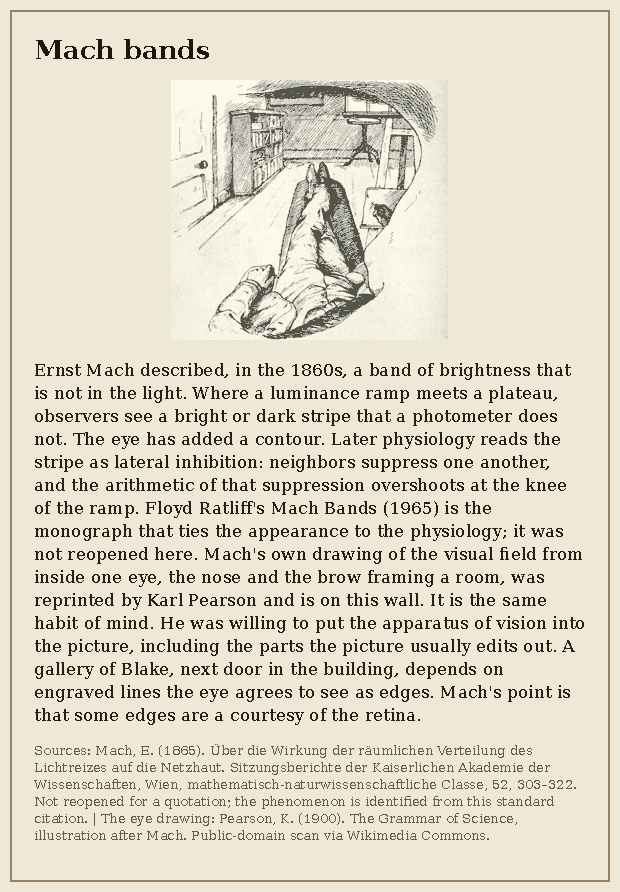
| Mach's view from his left eye, as printed by Pearson | | Drawing by Ernst Mach. | Wikimedia Commons | Public domain | source |
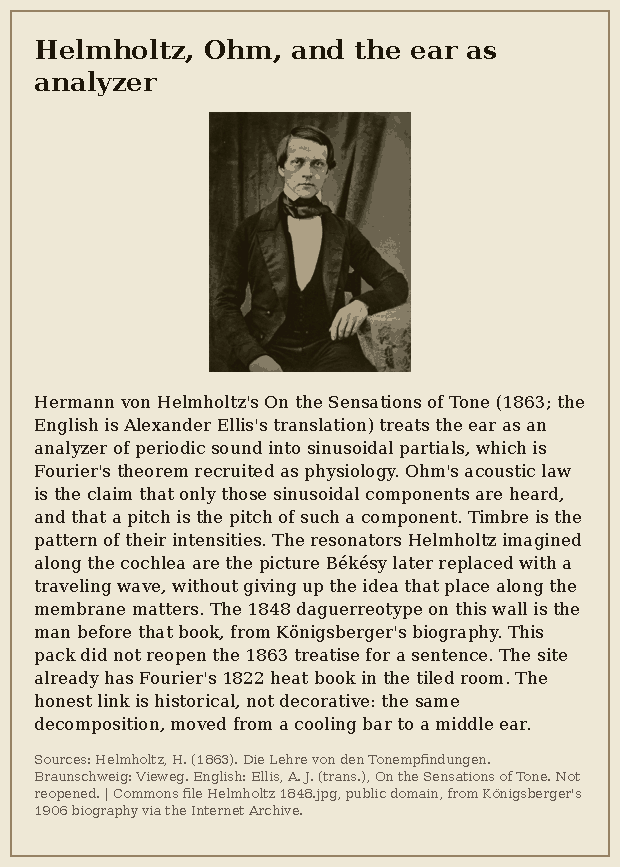
| Hermann von Helmholtz, 1848 daguerreotype | | Unknown photographer. | Wikimedia Commons | Public domain | source |
| Hermann von Helmholtz, 1848 daguerreotype | | Unknown photographer. | Wikimedia Commons | Public domain | source |
| Gustav Theodor Fechner, middle age | | Unknown author. | Wikimedia Commons | Public domain | source |
| Gustav Theodor Fechner, middle age | | Unknown author. | Wikimedia Commons | Public domain | source |
| Gustav Theodor Fechner, middle age | | Unknown author. | Wikimedia Commons | Public domain | source |
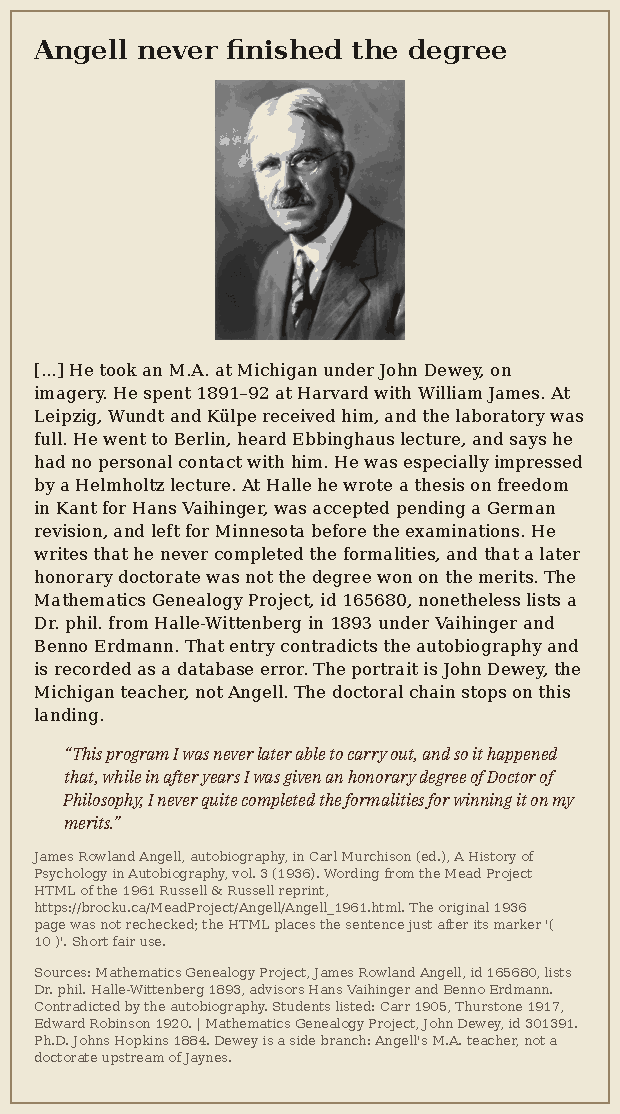
| John Dewey | | Underwood & Underwood. | Wikimedia Commons | Public domain | source |
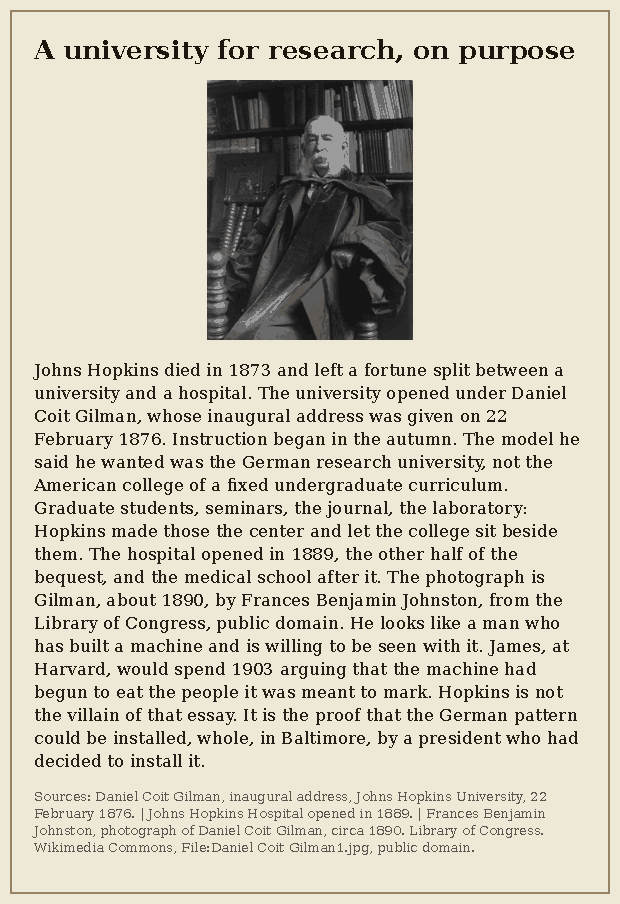
| Daniel Coit Gilman | | Frances Benjamin Johnston | Wikimedia Commons | Public domain | source |
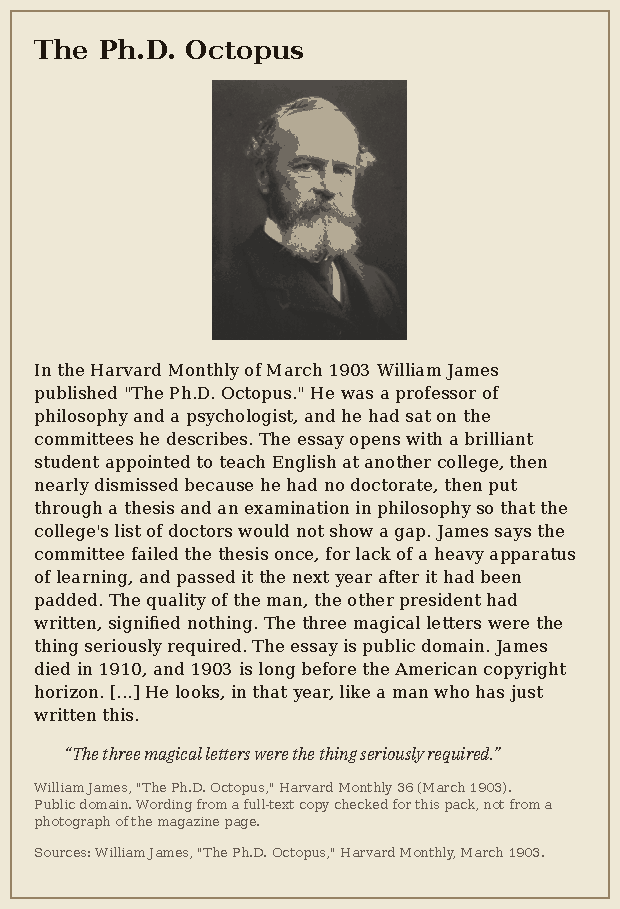
| William James | | Notman Studios | Wikimedia Commons | Public domain in the United States, as Houghton states it believes | source |
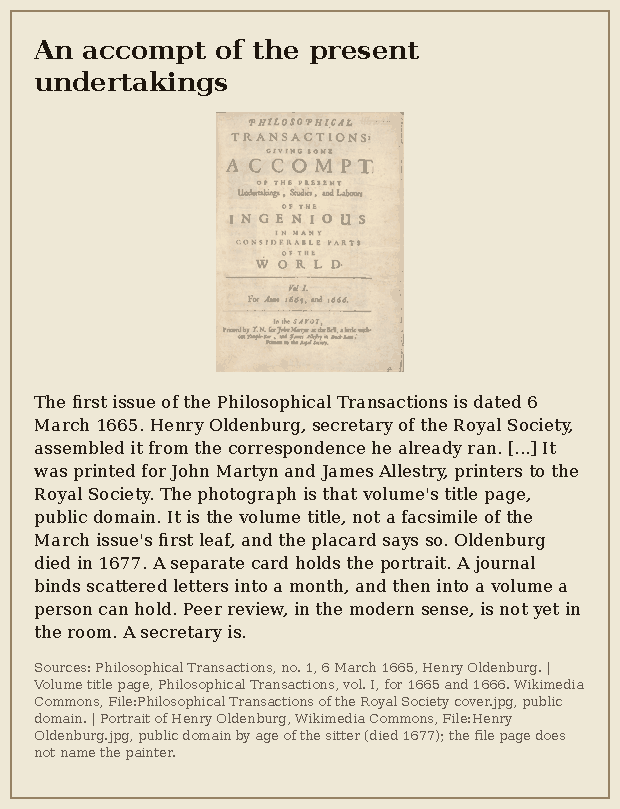
| Title page of Philosophical Transactions, vol. I | | Anonymous | Wikimedia Commons | Public domain | source |
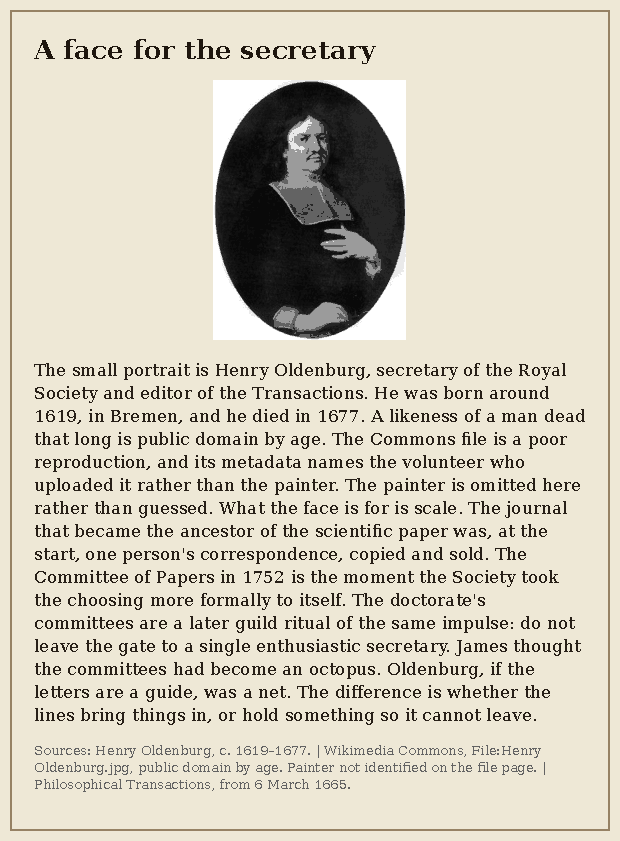
| Henry Oldenburg | | Painter not named | Wikimedia Commons | Public domain | source |
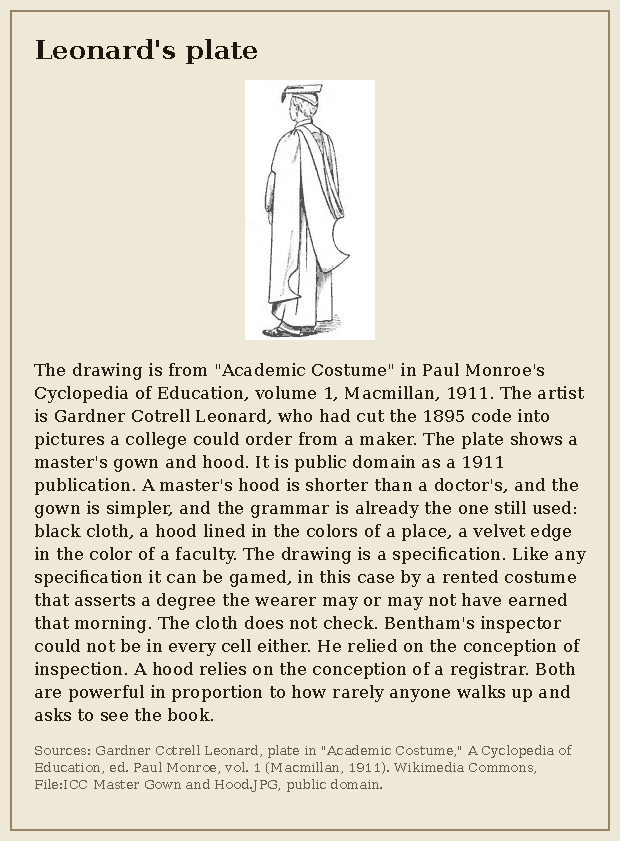
| Master's gown and hood | | Gardner Cotrell Leonard | Wikimedia Commons | Public domain | source |
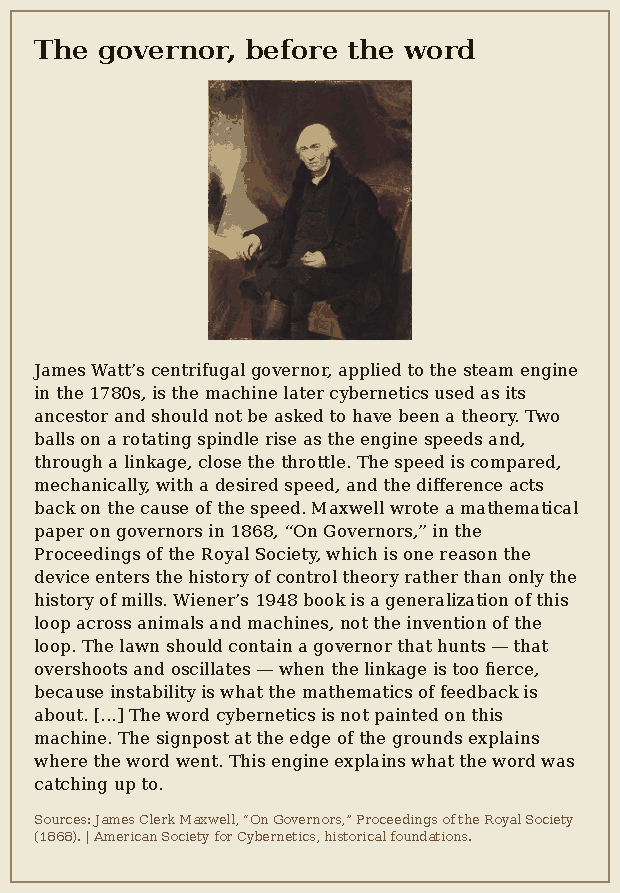
| Portrait of James Watt | | Thomas Lawrence | Wikimedia Commons | Public domain | source |
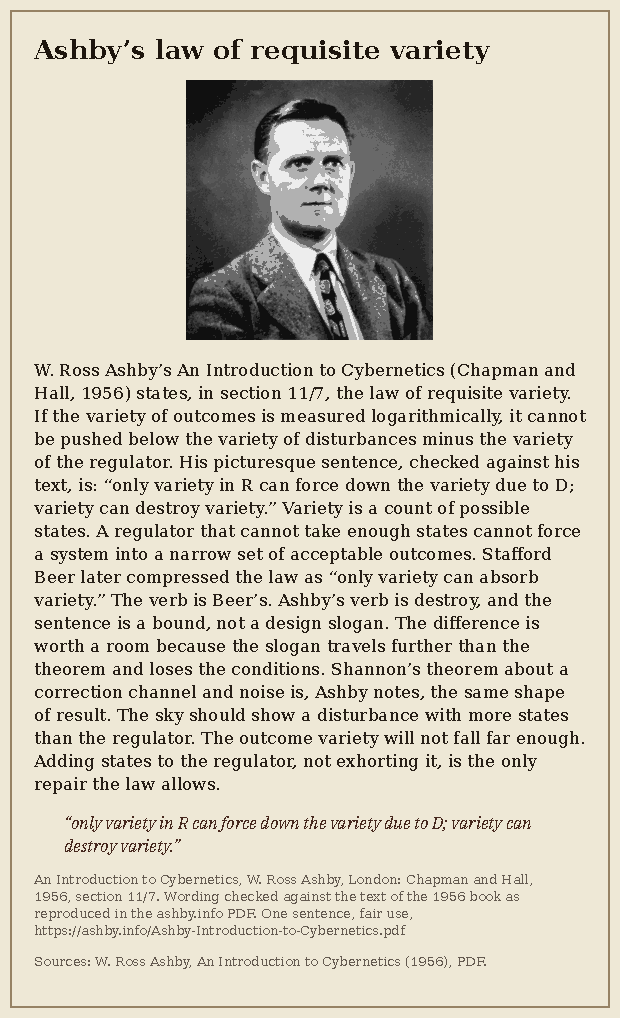
| W. Ross Ashby | | unknown photographer | Wikimedia Commons | Public domain | source |
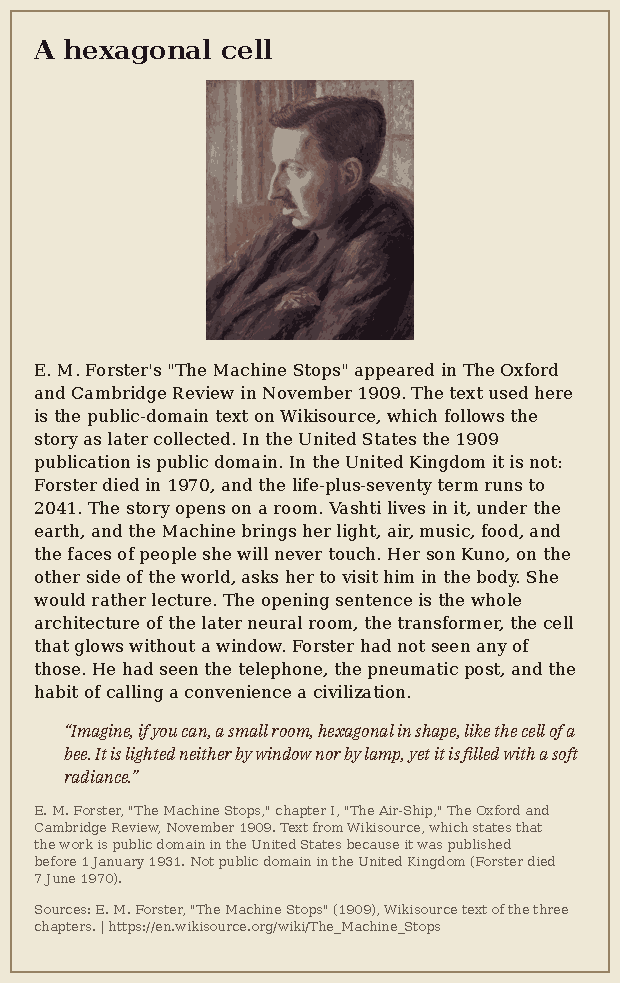
| E. M. Forster | | Dora Carrington (died 1932) | Wikimedia Commons | Public domain | source |
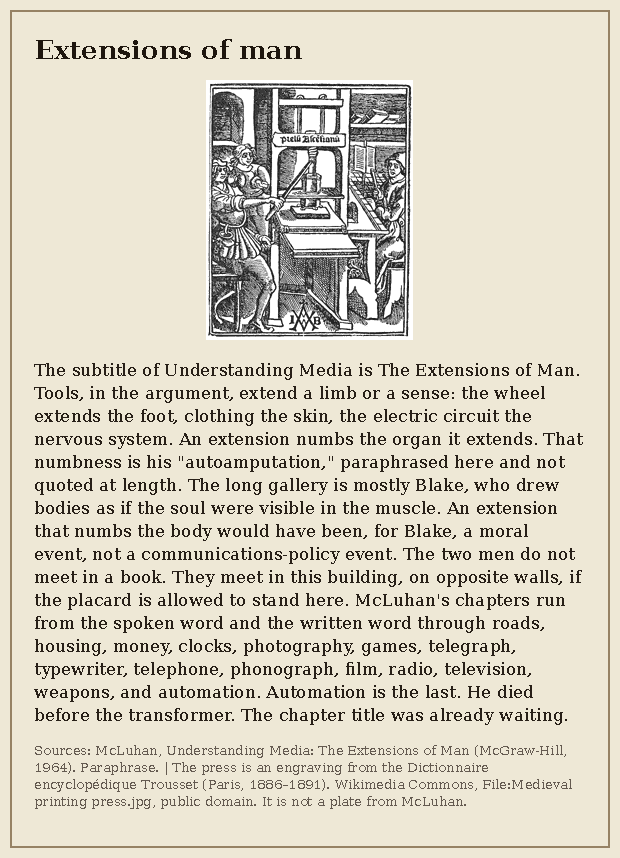
| Early printing press | | Unknown; Trousset encyclopedia, Paris | Wikimedia Commons | Public domain | source |
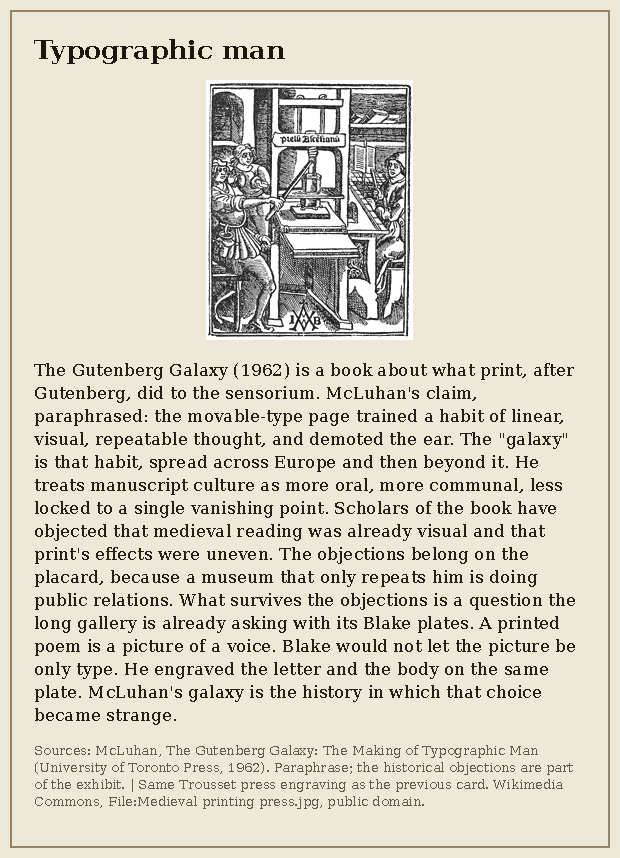
| Early printing press | | Unknown; Trousset encyclopedia, Paris | Wikimedia Commons | Public domain | source |
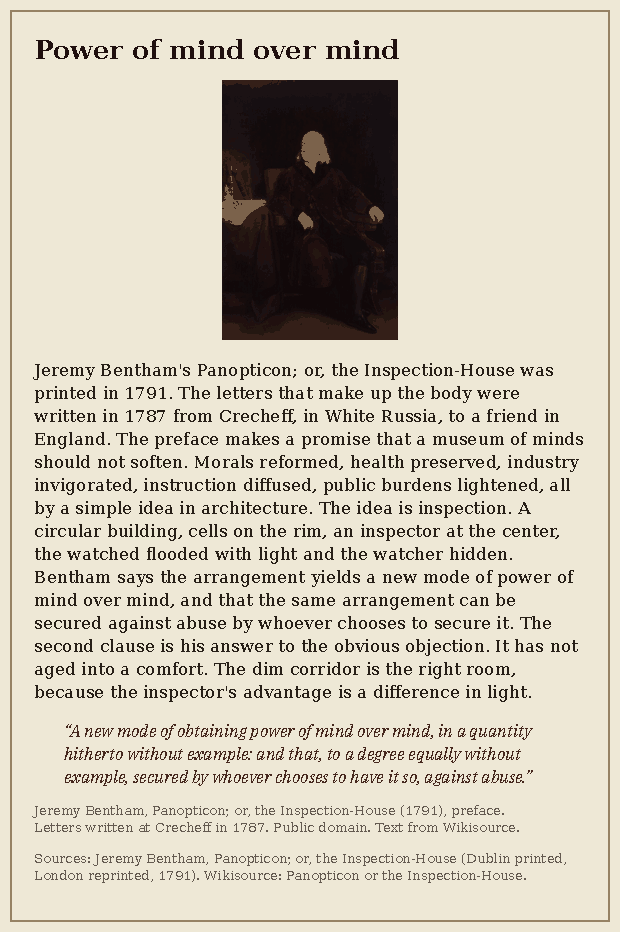
| Portrait of Jeremy Bentham | | Henry William Pickersgill | Wikimedia Commons | Public domain | source |
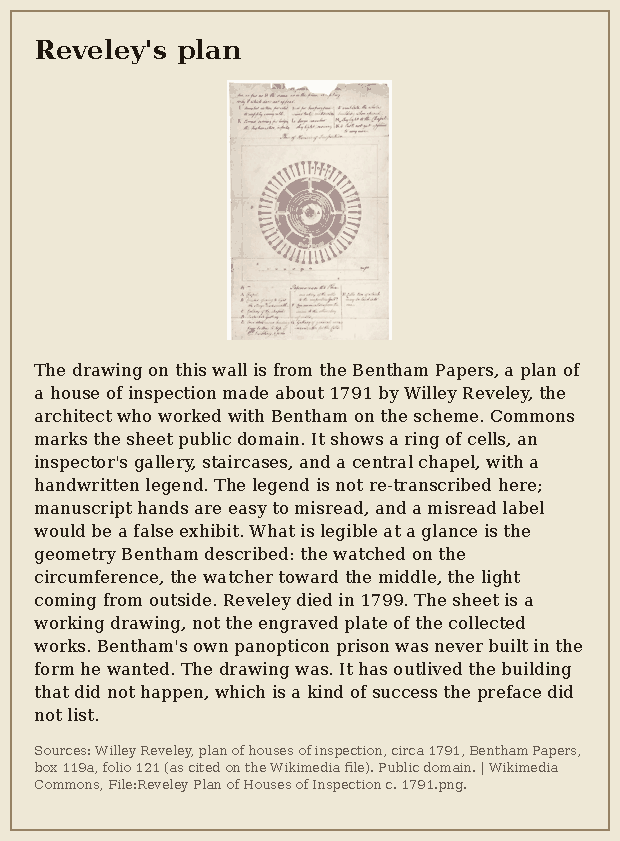
| Plan of houses of inspection | | Willey Reveley | Wikimedia Commons | Public domain | source |
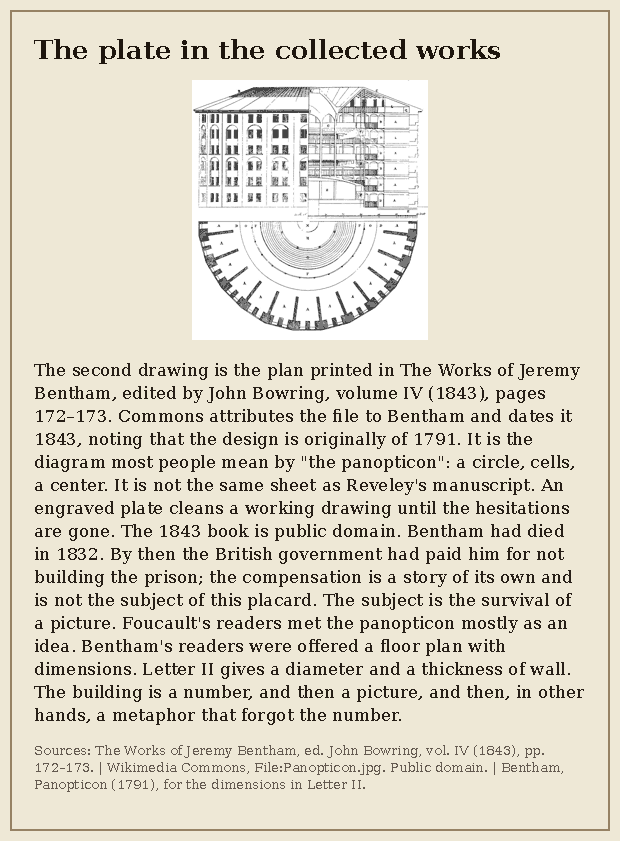
| Inspection-house plate | | Plate in Bowring's edition; Commons names Bentham | Wikimedia Commons | Public domain | source |
| When the Morning Stars Sang Together (The Creation), from Illustrations of the Book of Job | 1825–26 | William Blake | The Metropolitan Museum of Art, Gift of Edward Bement, 1917 | CC0 (Met Open Access) | source |
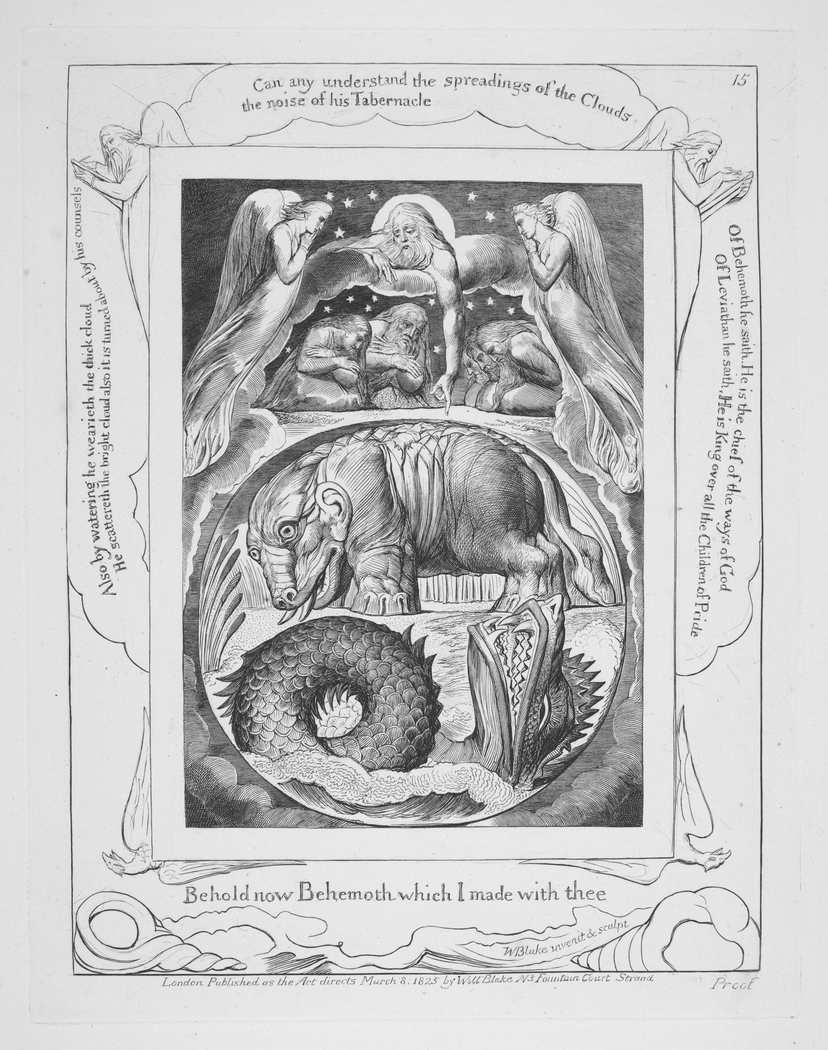
| Behemoth and Leviathan, from Illustrations of the Book of Job | 1825–26 | William Blake | The Metropolitan Museum of Art, Gift of Edward Bement 1917 | CC0 (Met Open Access) | source |
| Pity | ca. 1795 | William Blake | The Metropolitan Museum of Art, Gift of Mrs. Robert W. Goelet, 1958, transferred from European Paintings | CC0 (Met Open Access) | source |
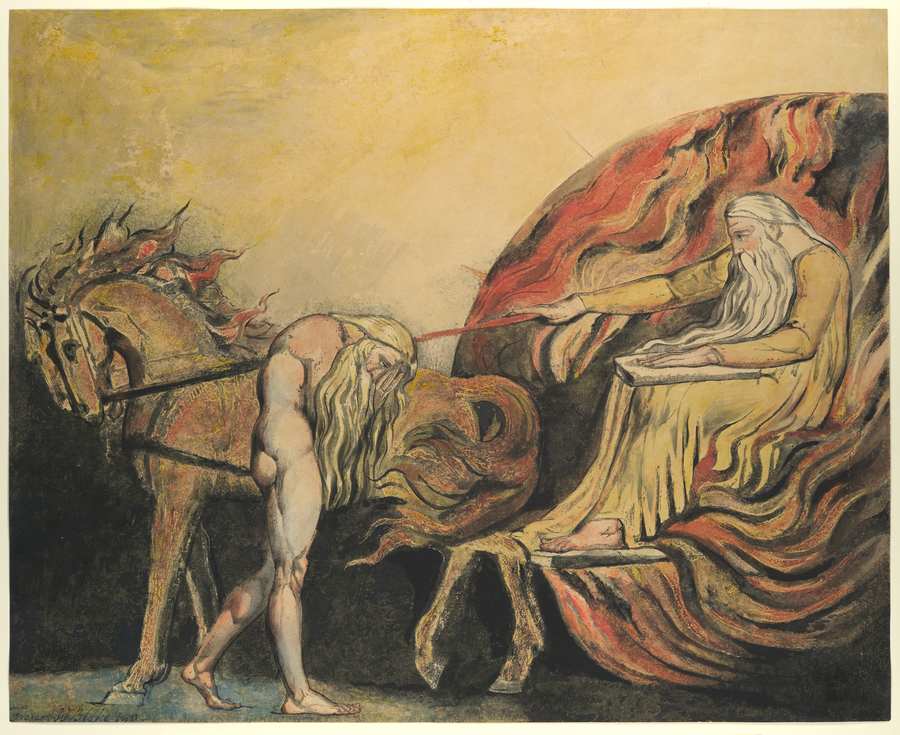
| God Judging Adam | ca. 1795 | William Blake | The Metropolitan Museum of Art, Rogers Fund, 1916 | CC0 (Met Open Access) | source |
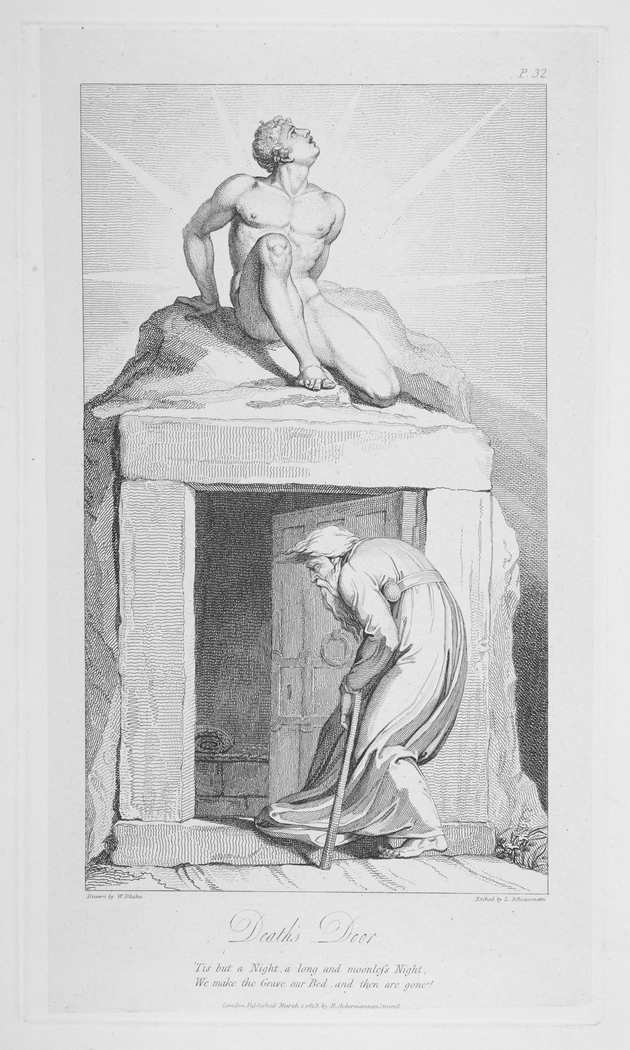
| Death's Door, from "The Grave," a Poem by Robert Blair | March 1, 1813 | After William Blake; engraved by Luigi Schiavonetti | The Metropolitan Museum of Art, Harris Brisbane Dick Fund, 1917 | CC0 (Met Open Access) | source |
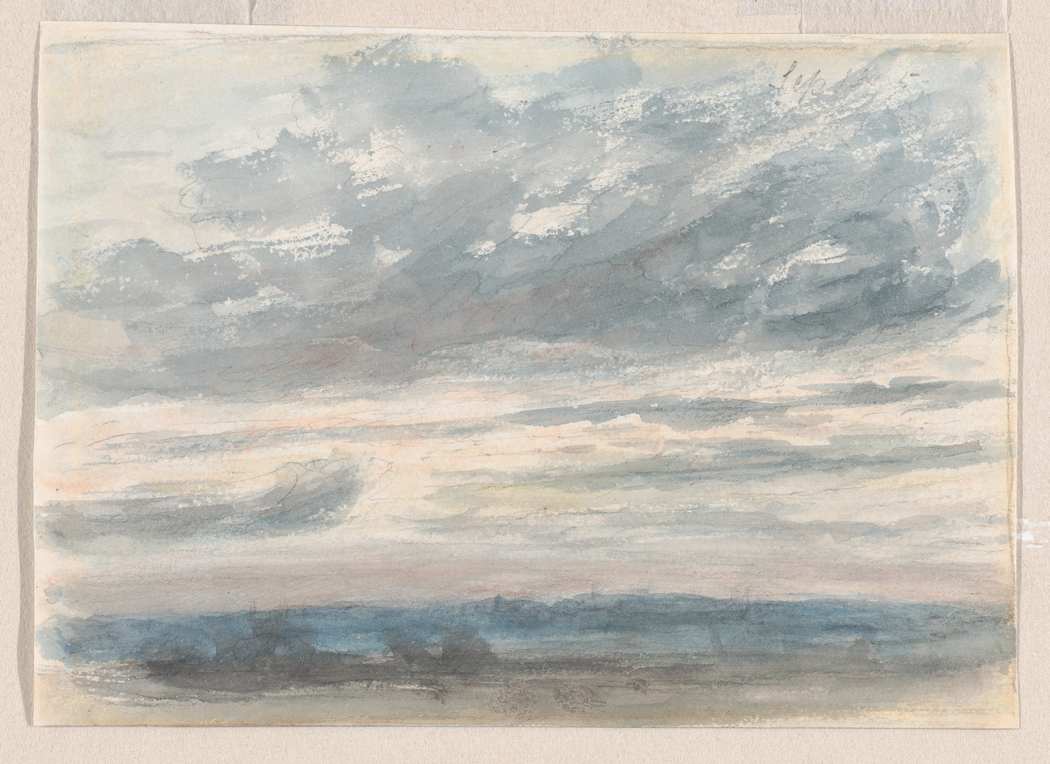
| Cloud study | 1830–35 | John Constable | The Metropolitan Museum of Art, Purchase, 2015 Benefit Fund, The Elisha Whittelsey Collection, The Elisha Whittelsey Fund, and Connie Simmons and James D. Krugman Gift, 2016 | CC0 (Met Open Access) | source |
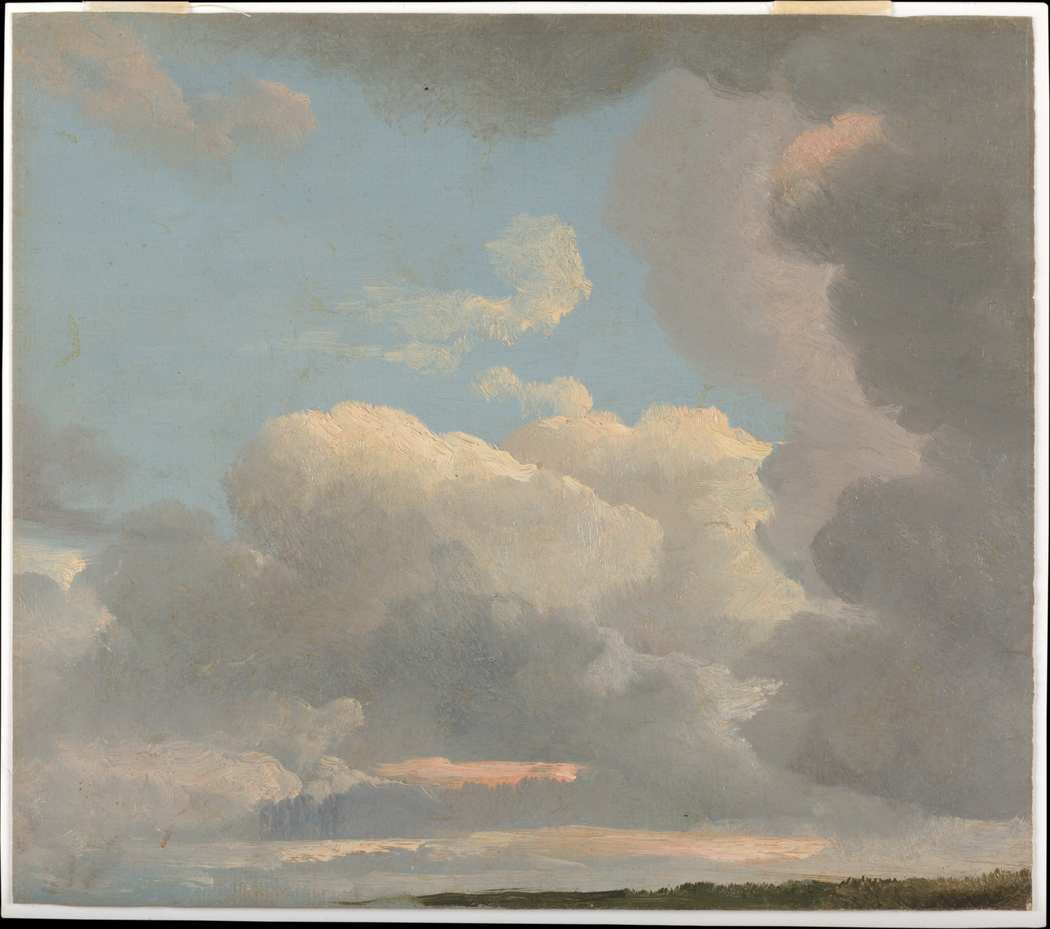
| Cloud Study (Early Evening) | ca. 1786–1806 | Simon Denis | The Metropolitan Museum of Art, The Whitney Collection, Gift of Wheelock Whitney III, and Purchase, Gift of Mr. and Mrs. Charles S. McVeigh, by exchange, 2003 | CC0 (Met Open Access) | source |
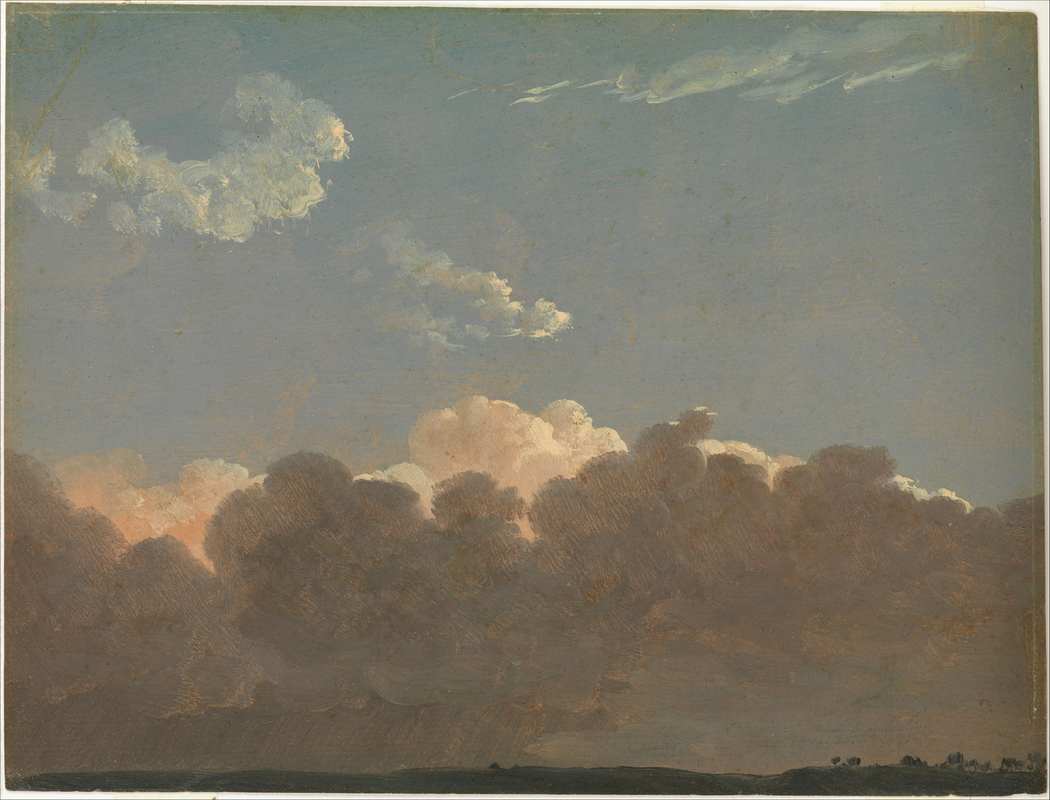
| Cloud Study (Distant Storm) | ca. 1786–1806 | Simon Denis | The Metropolitan Museum of Art, The Whitney Collection, Gift of Wheelock Whitney III, and Purchase, Gift of Mr. and Mrs. Charles S. McVeigh, by exchange, 2003 | CC0 (Met Open Access) | source |
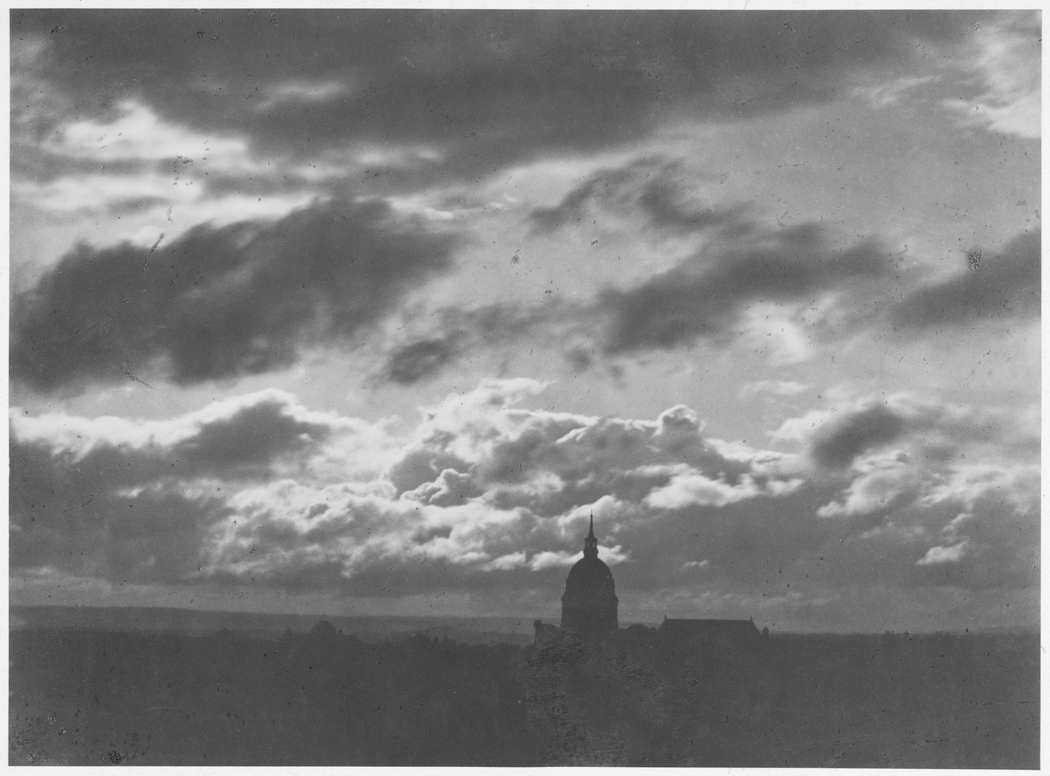
| [Cloud Study, Paris] | 1855–56 | Charles Marville | The Metropolitan Museum of Art, Gilman Collection, Purchase, Ann Tenenbaum and Thomas H. Lee Gift, 2005 | CC0 (Met Open Access) | source |
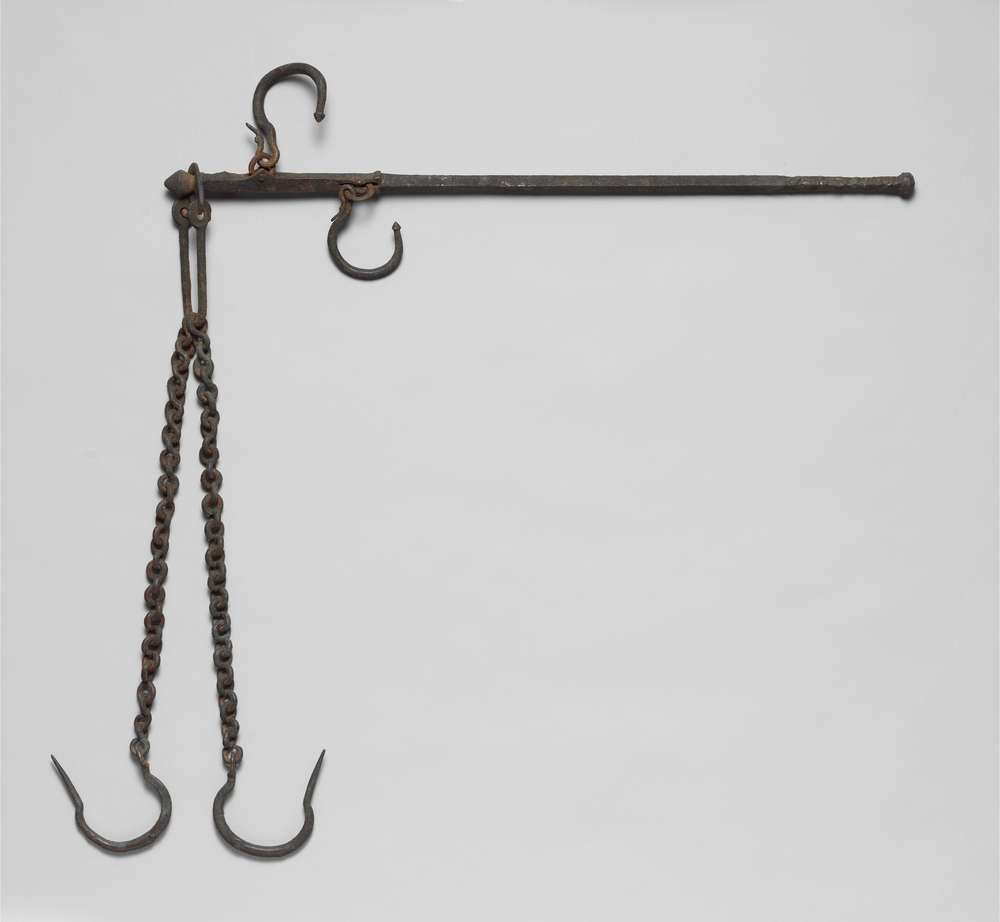
| Bronze steelyard | ca. 2nd–4th century CE | Roman | The Metropolitan Museum of Art, Rogers Fund, 1922 | CC0 (Met Open Access) | source |
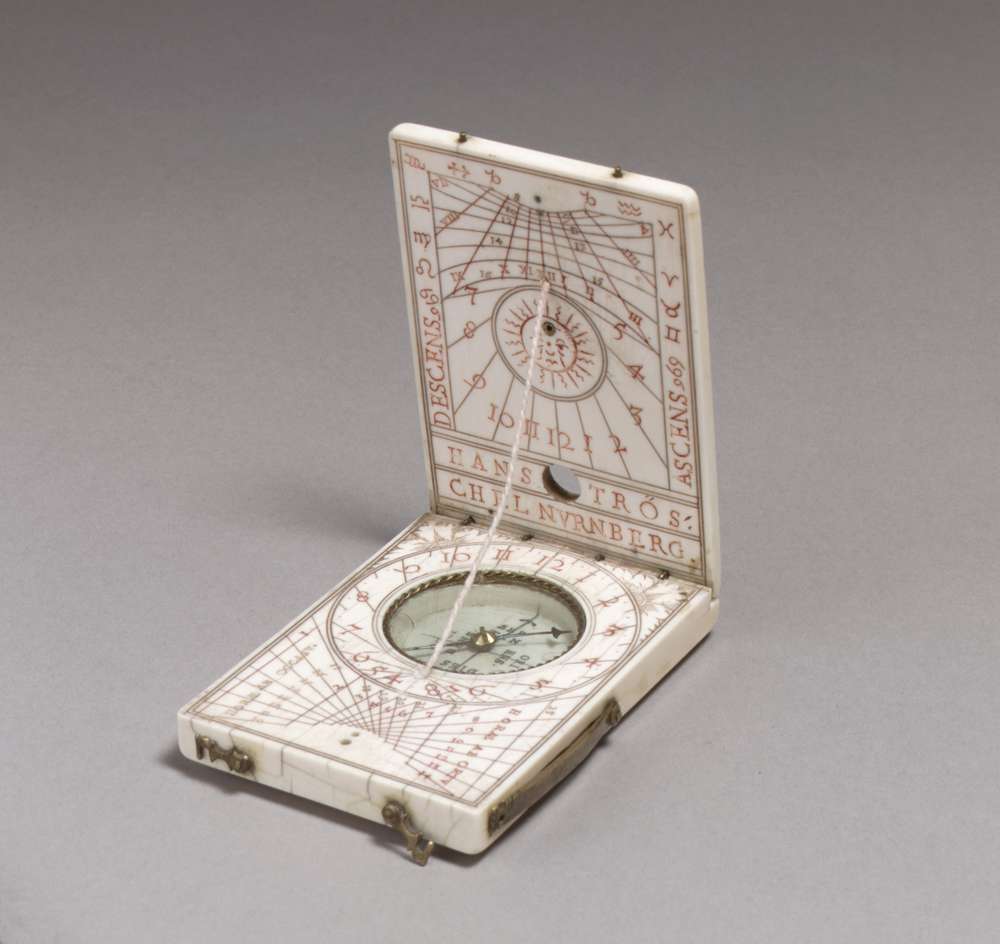
| Portable diptych sundial | ca. 1598 | Hans Tröschel the Elder | The Metropolitan Museum of Art, Gift of Mrs. Stephen D. Tucker, 1903 | CC0 (Met Open Access) | source |
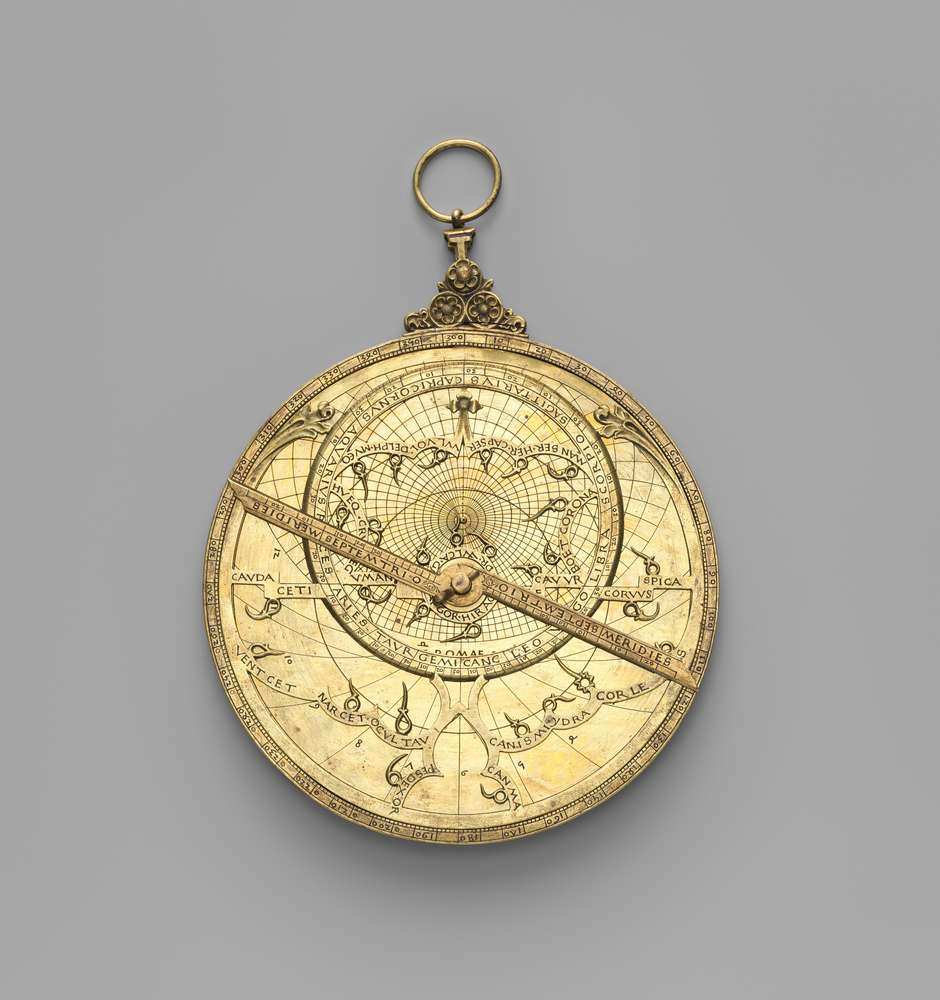
| Astrolabe | 1462 | Regiomontanus | The Metropolitan Museum of Art, The Cloisters Collection, 2025 | CC0 (Met Open Access) | source |
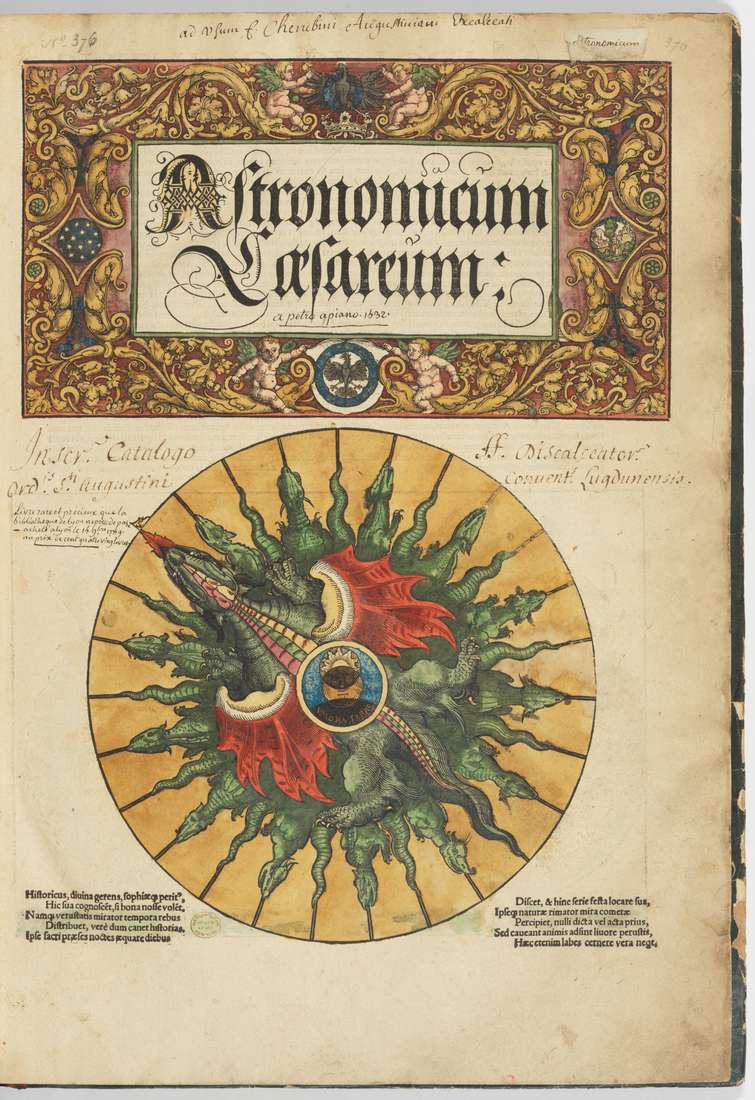
| Astronomicum Caesareum | May 1540 | Petrus Apianus; woodcuts by Michael Ostendorfer | The Metropolitan Museum of Art, Gift of Herbert N. Straus, 1925 | CC0 (Met Open Access) | source |
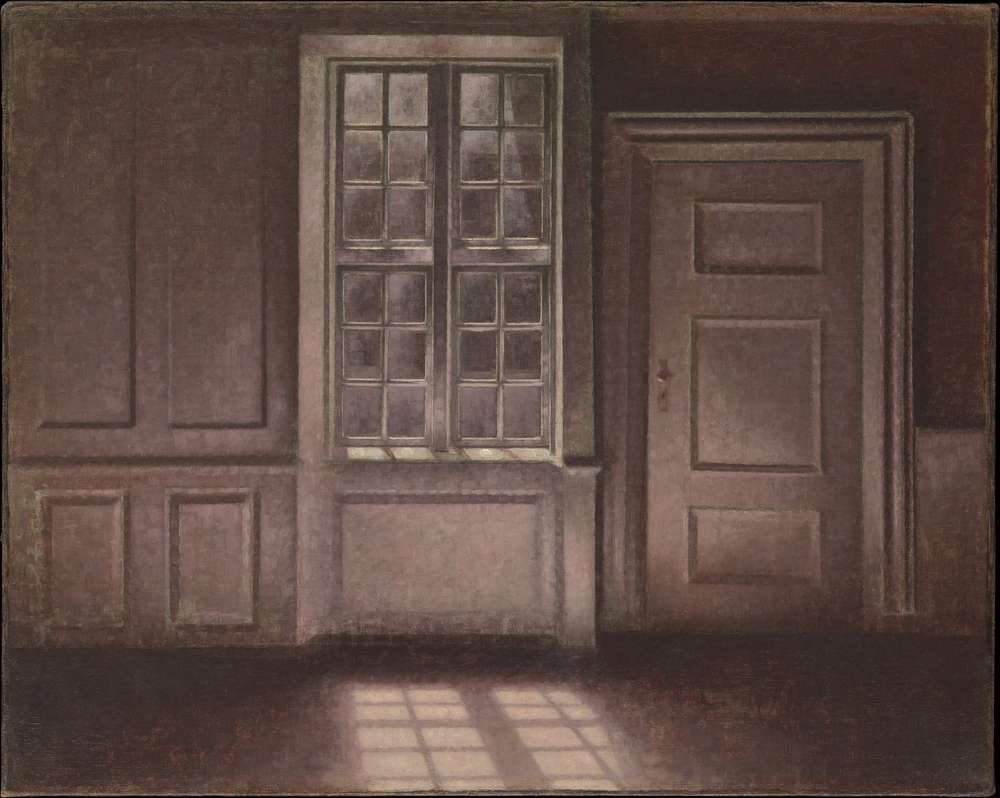
| Moonlight, Strandgade 30 | 1900–1906 | Vilhelm Hammershøi | The Metropolitan Museum of Art, Purchase, European Paintings Funds, and Annette de la Renta Gift, 2012 | CC0 (Met Open Access) | source |
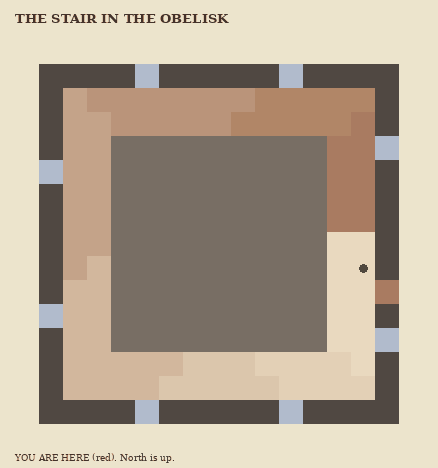
| Plan of the stair in the obelisk | drawn for this site | drawn by script | this site | drawn by script | drawn for this site |
| A colossus, after Blake | drawn for this site | text: William Blake, A Descriptive Catalogue (1809) | Wikisource, Gilchrist, Life of William Blake (1880), vol. 2 | Public domain text; plate drawn by script | source |
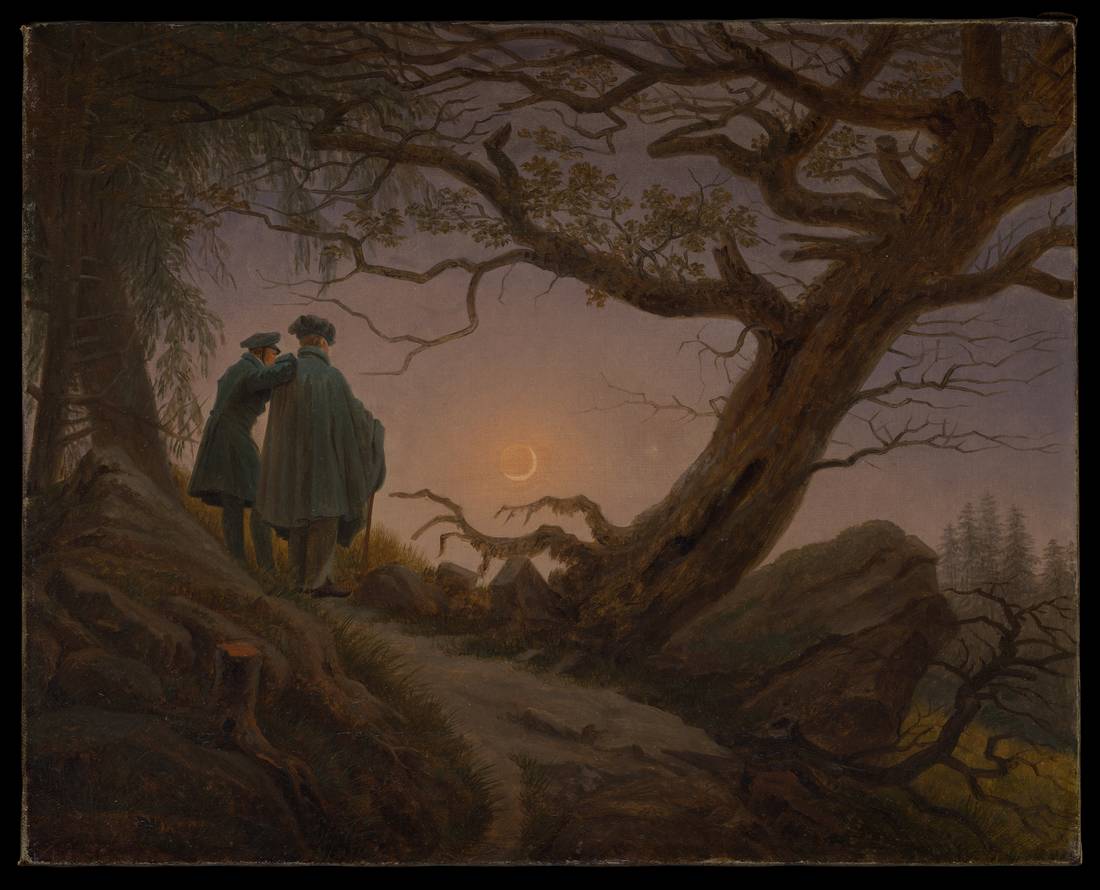
| Two Men Contemplating the Moon | ca. 1825–30 | Caspar David Friedrich | The Metropolitan Museum of Art | CC0 (Met Open Access) | source |
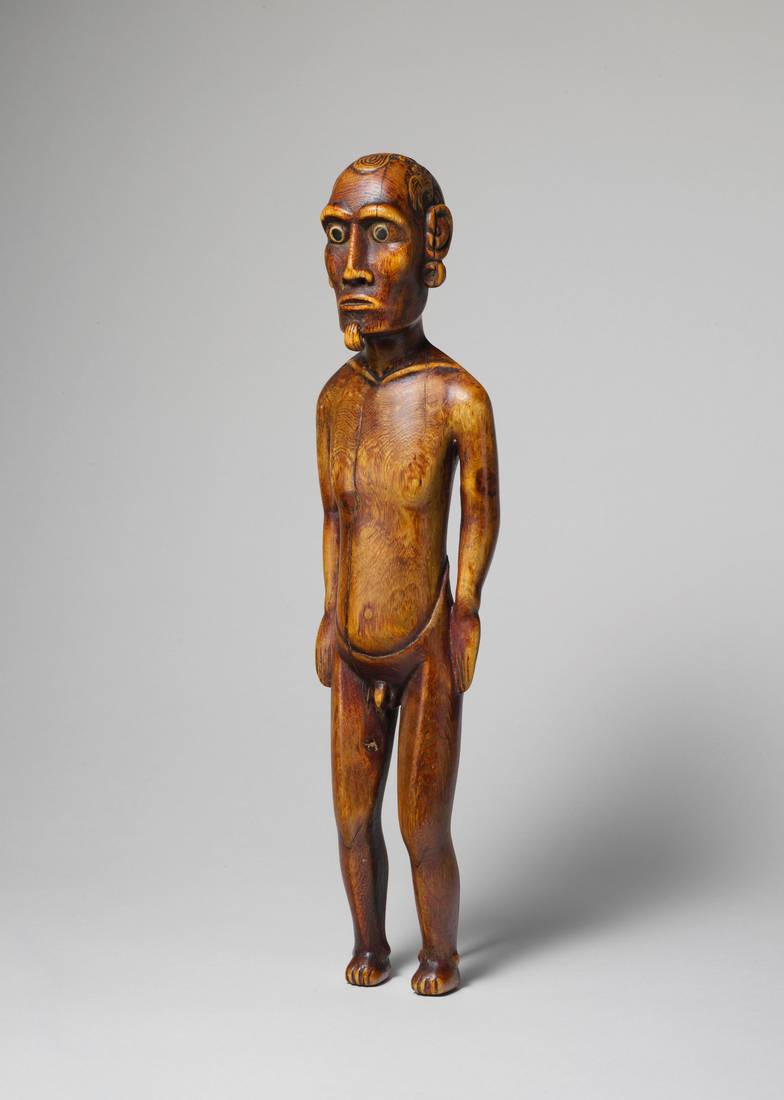
| Male Figure (Moai Tangata) | early 19th century | Rapa Nui artist | The Metropolitan Museum of Art | CC0 (Met Open Access) | source |
| Ozymandias, set as a stone tablet | drawn for this site | text: Percy Bysshe Shelley (1818) | Wikisource, Rosalind and Helen (1819) | Public domain text; plate drawn by script | source |
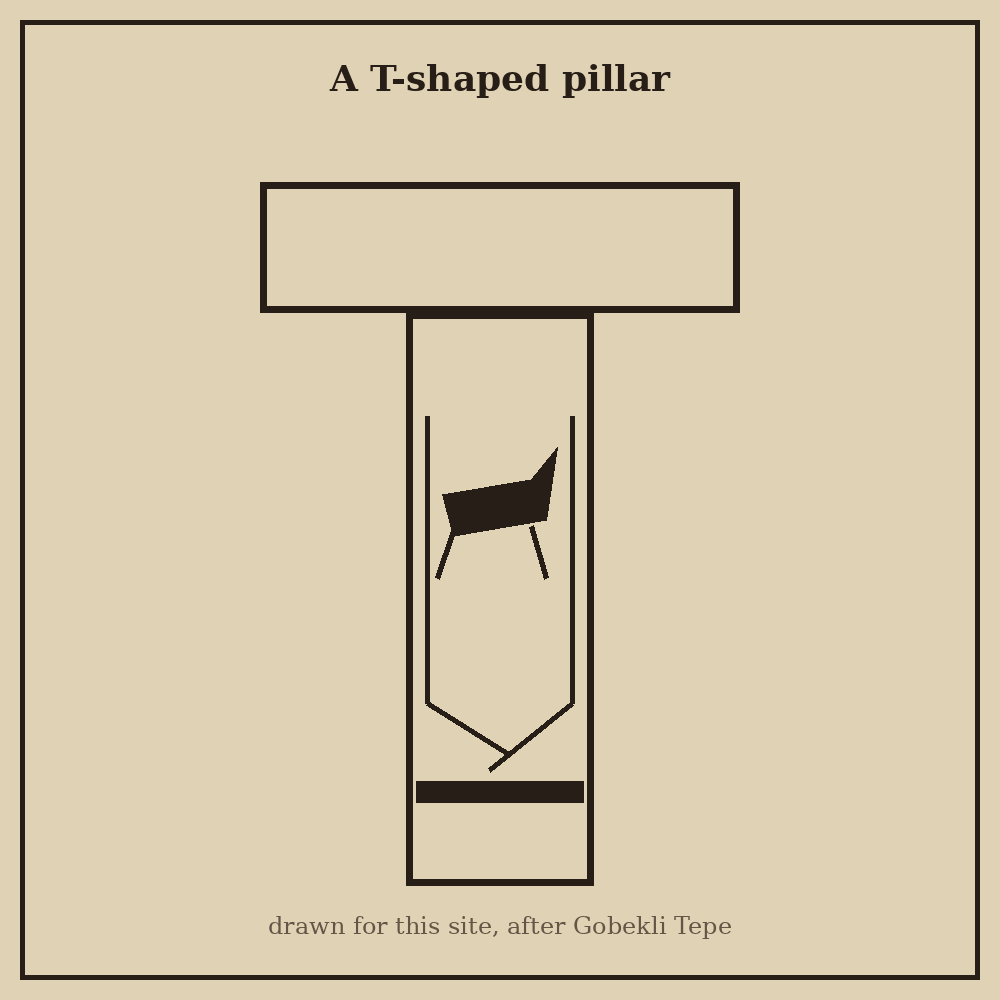
| A T-shaped pillar, after Gobekli Tepe | drawn for this site | drawn by script | this site | drawn by script | drawn for this site |
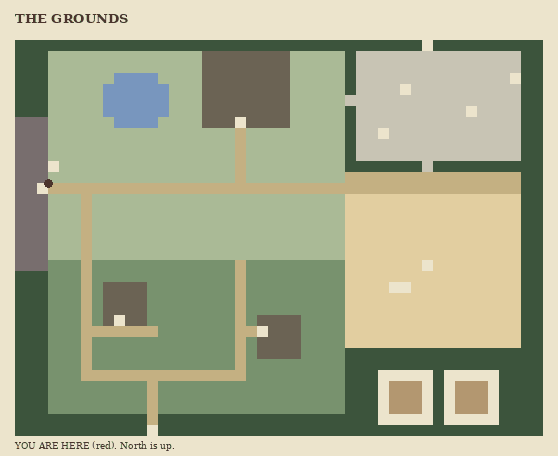
| Plan of the grounds | drawn for this site | drawn by script | this site | drawn by script | drawn for this site |
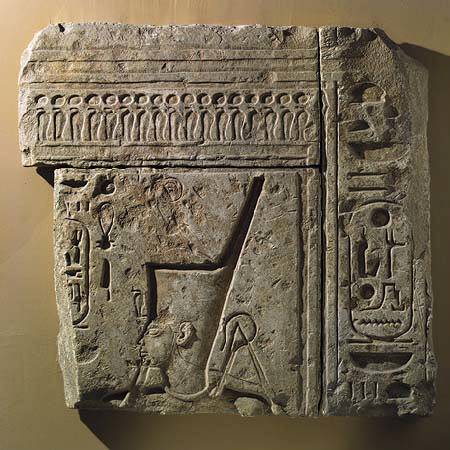
| Jubilee Relief of Ramesses II | ca. 1290–1224 BCE | Ancient Egyptian | The Metropolitan Museum of Art | CC0 (Met Open Access) | source |
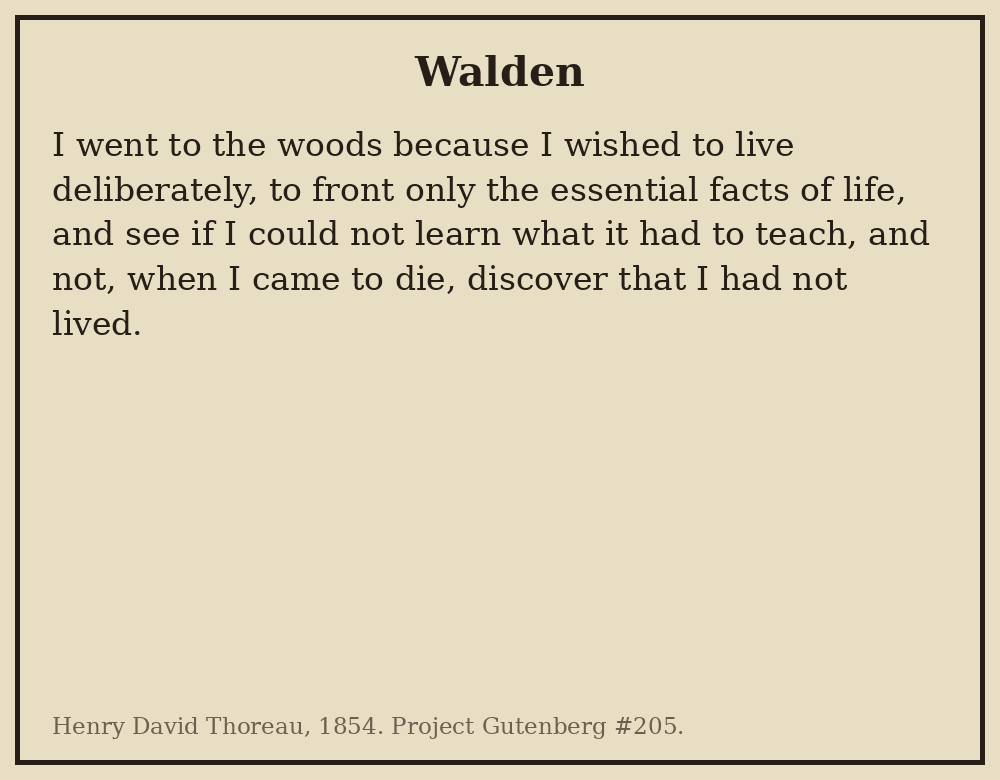
| Walden, a line | drawn for this site | text: Henry David Thoreau, Walden (1854) | Project Gutenberg #205 | Public domain text; plate drawn by script | source |
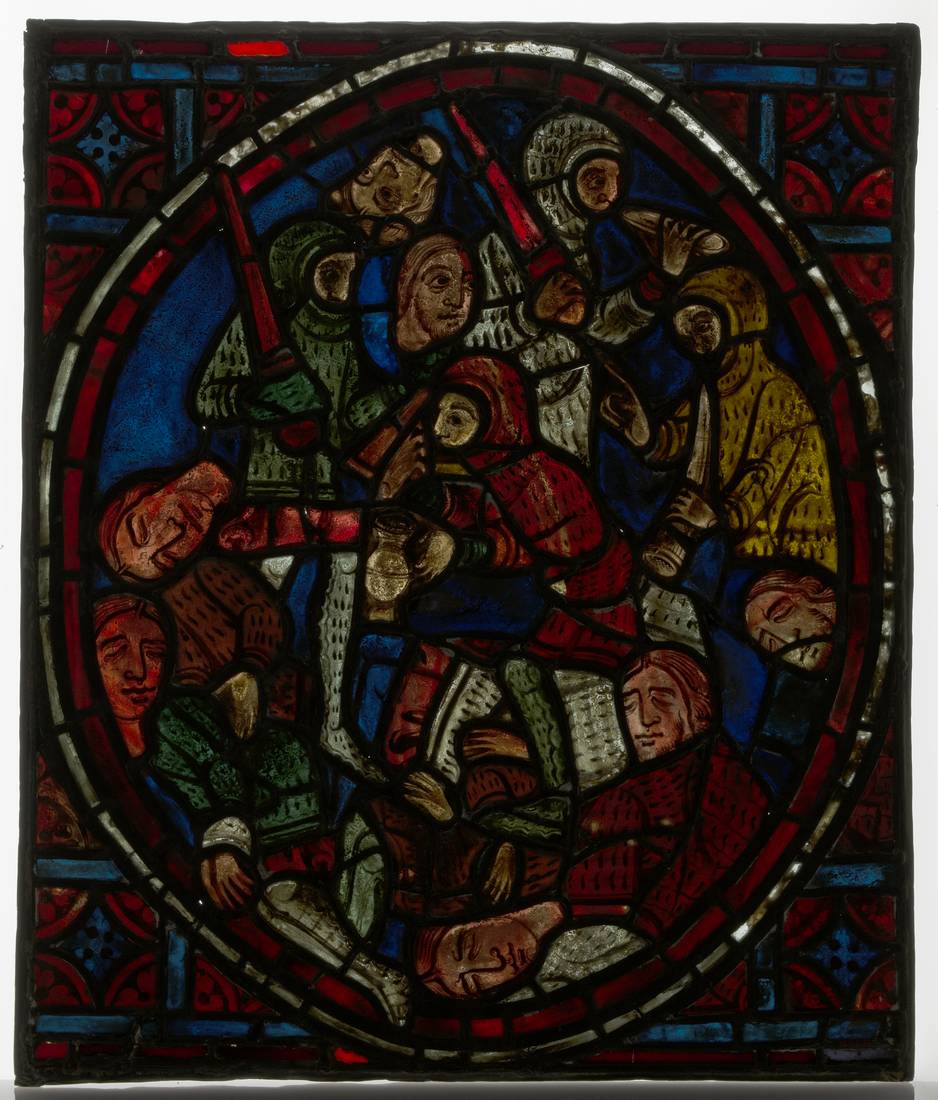
| Stained Glass Panel | 1270 | French | The Metropolitan Museum of Art | CC0 (Met Open Access) | source |
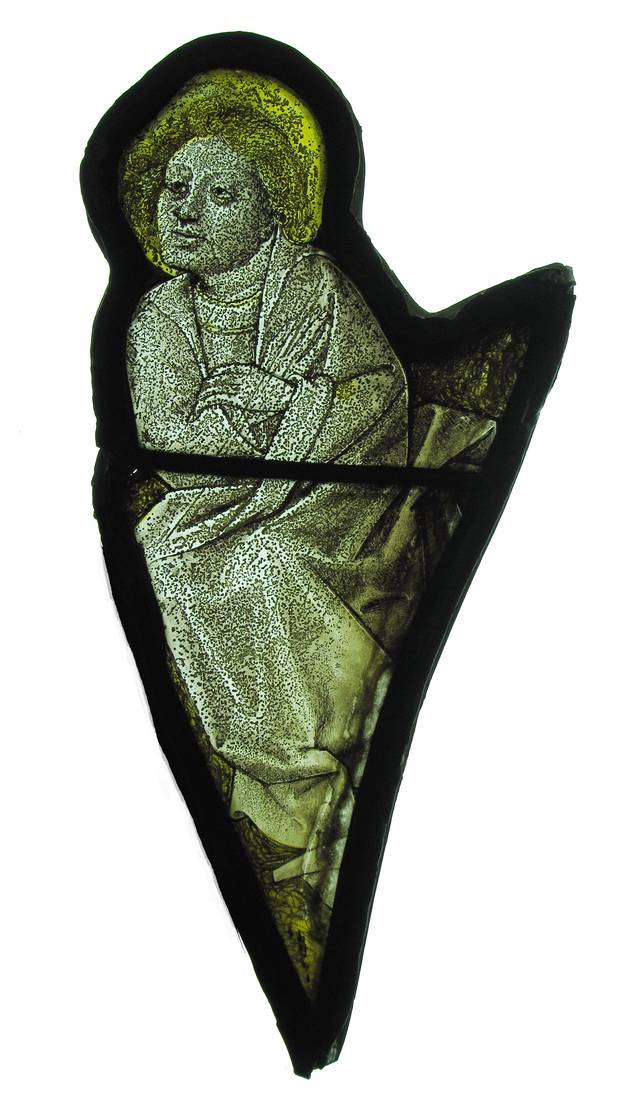
| Stained Glass Panel | 15th century | Netherlandish | The Metropolitan Museum of Art | CC0 (Met Open Access) | source |
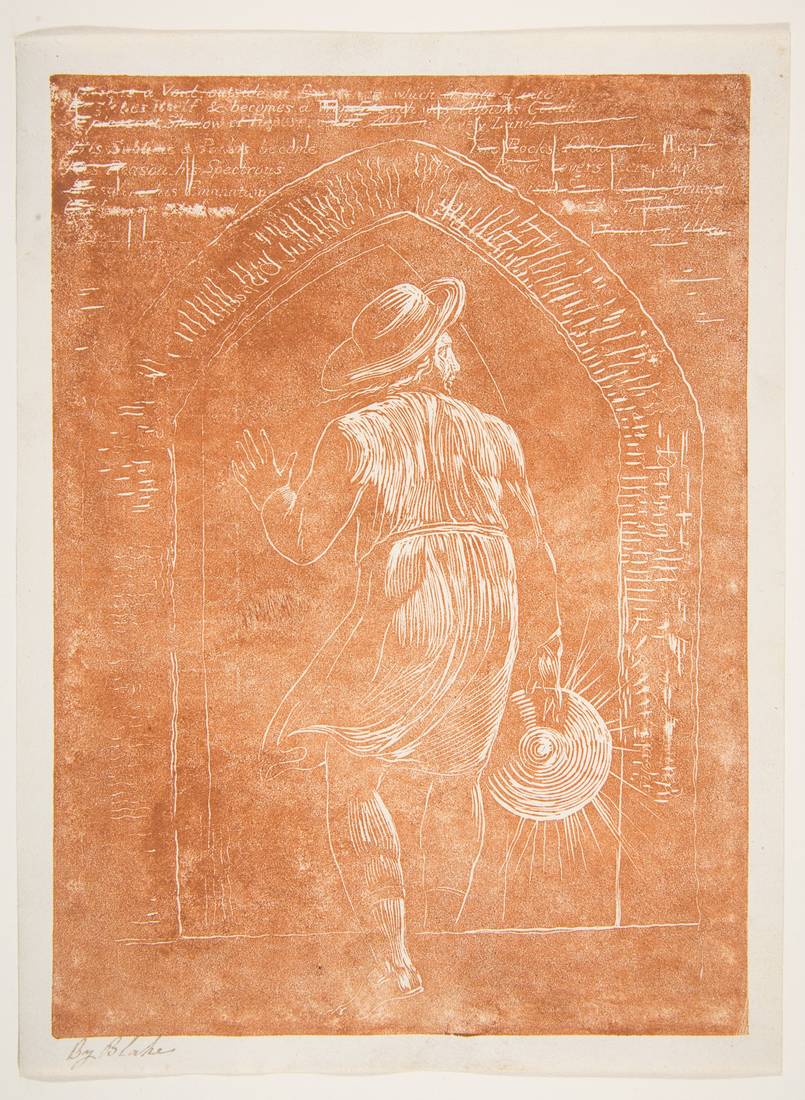
| Frontispiece to Jerusalem, the Emanation of the Great Albion | [ca. 1804–20] (?) | William Blake | The Metropolitan Museum of Art | CC0 (Met Open Access) | source |
| Omega, carved | drawn for this site | drawn by script | this site | drawn by script | drawn for this site |
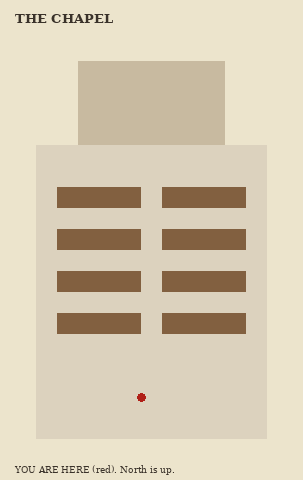
| Plan of the chapel | drawn for this site | drawn by script | this site | drawn by script | drawn for this site |
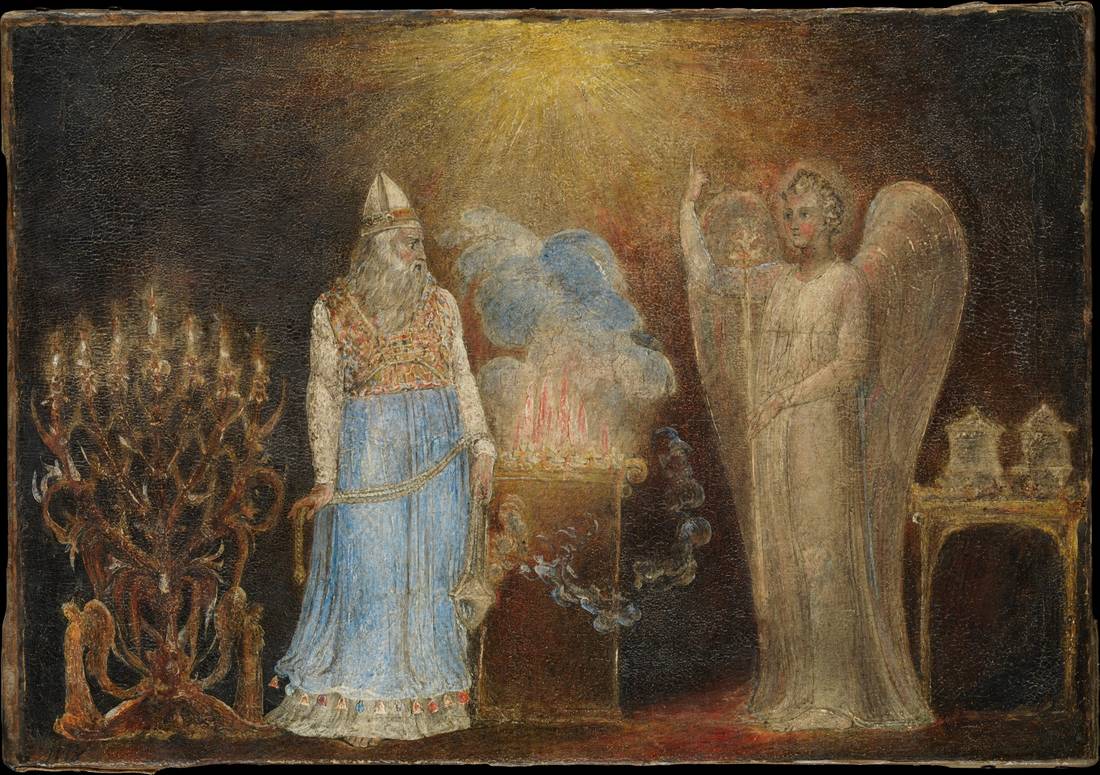
| The Angel Appearing to Zacharias | 1799–1800 | William Blake | The Metropolitan Museum of Art | CC0 (Met Open Access) | source |
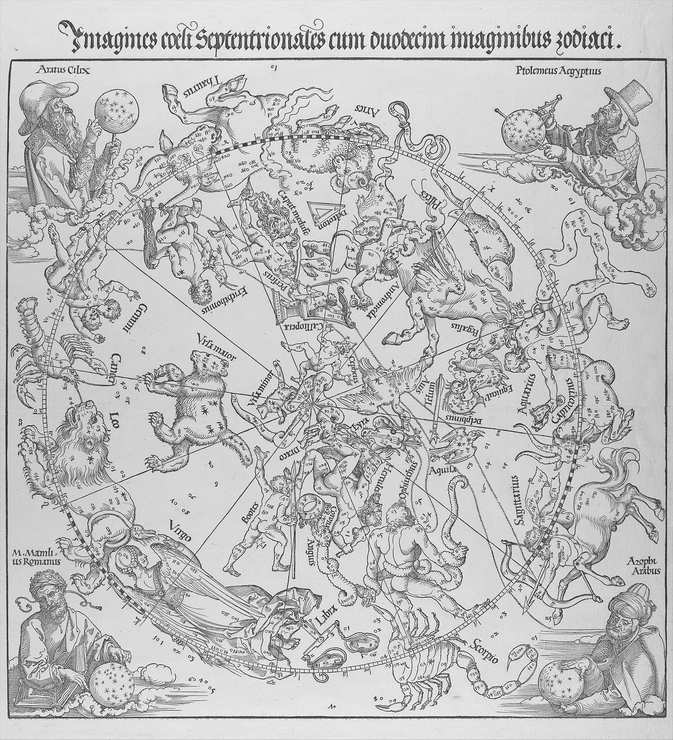
| The Celestial Map- Northern Hemisphere | 1515 | Albrecht Dürer | The Met, Harris Brisbane Dick Fund, 1951 | CC0 (Met Open Access) | source |
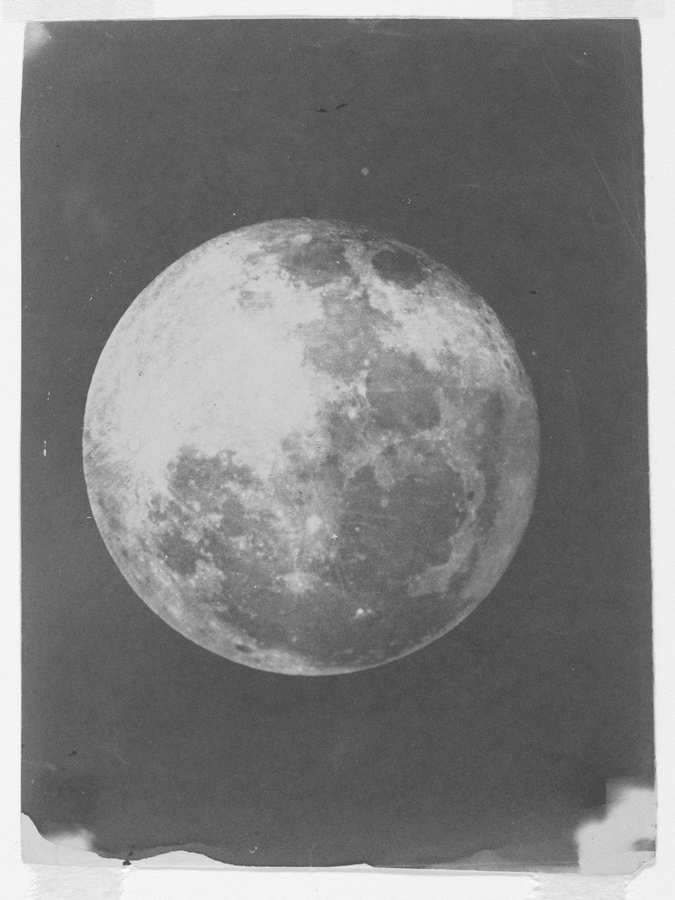
| The Moon | 1857–60 | John Adams Whipple | The Met, Robert O. Dougan Collection, Gift of Warner Communications Inc., 1978 | CC0 (Met Open Access) | source |
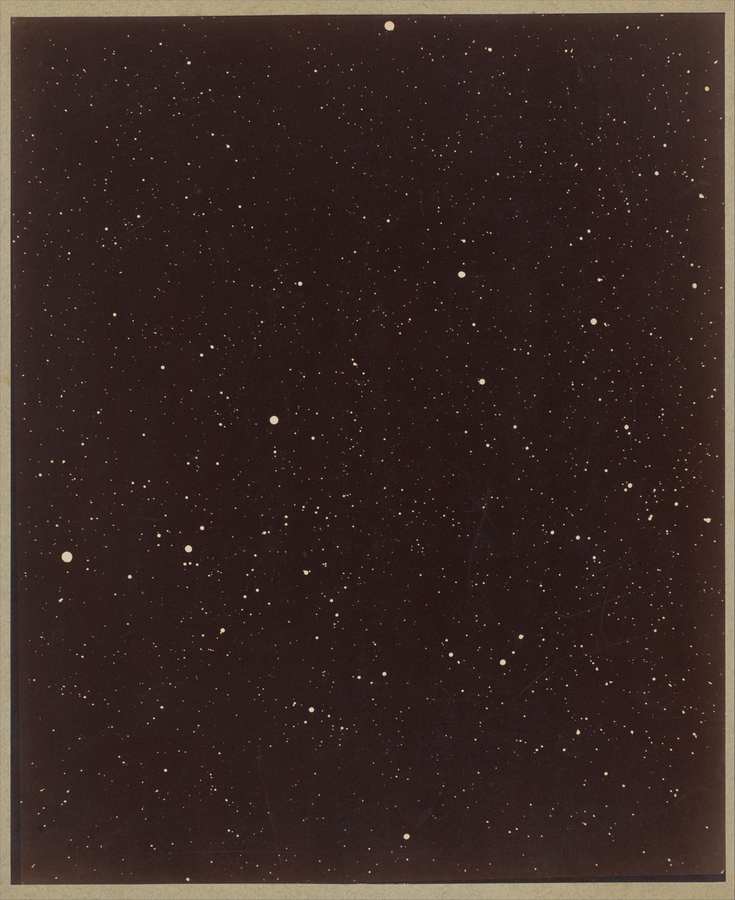
| A Section of the Constellation Cygnus (August 13, 1885) | 1885 | Paul Henry | The Met, Gilman Collection, Purchase, Robert Rosenkranz Gift, 2005 | CC0 (Met Open Access) | source |
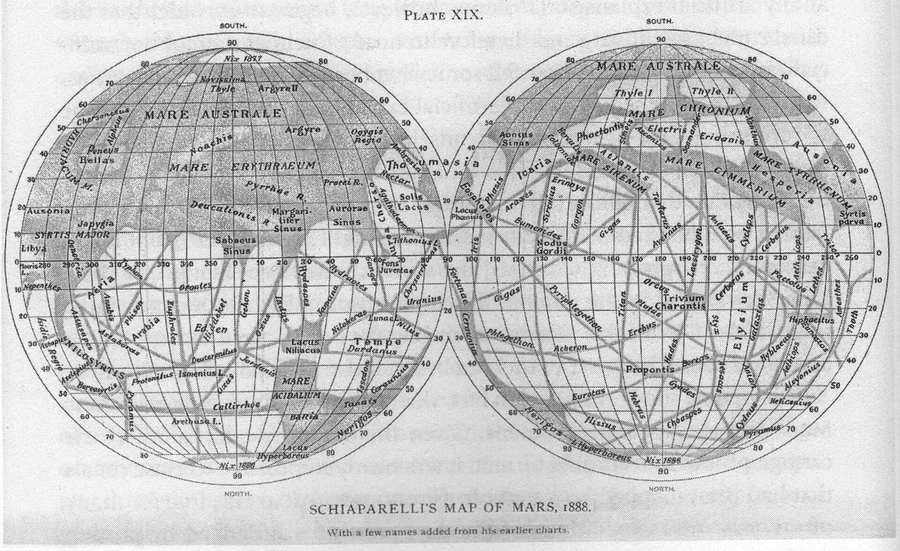
| Map of Mars (south at top) | 1888 | Giovanni Schiaparelli | Wikimedia Commons (art-lit-mars pack copy) | Public domain | source |
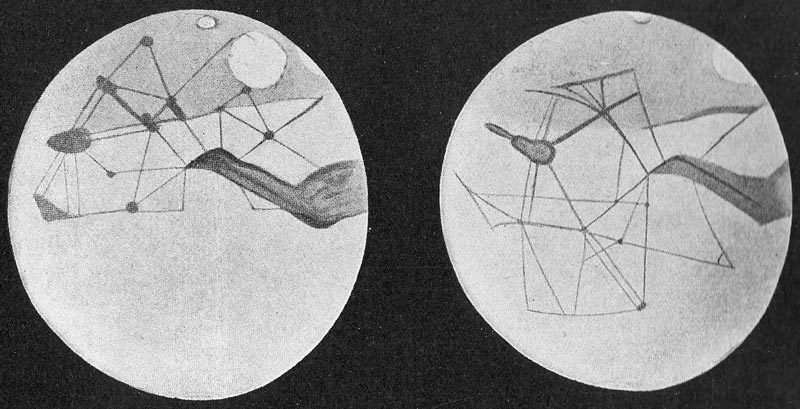
| Mars channels, a diagram after Lowell | n.d. | Yakov Perelman (Distant Worlds), after Percival Lowell | Wikimedia Commons (art-lit-mars pack copy) | Public domain | source |
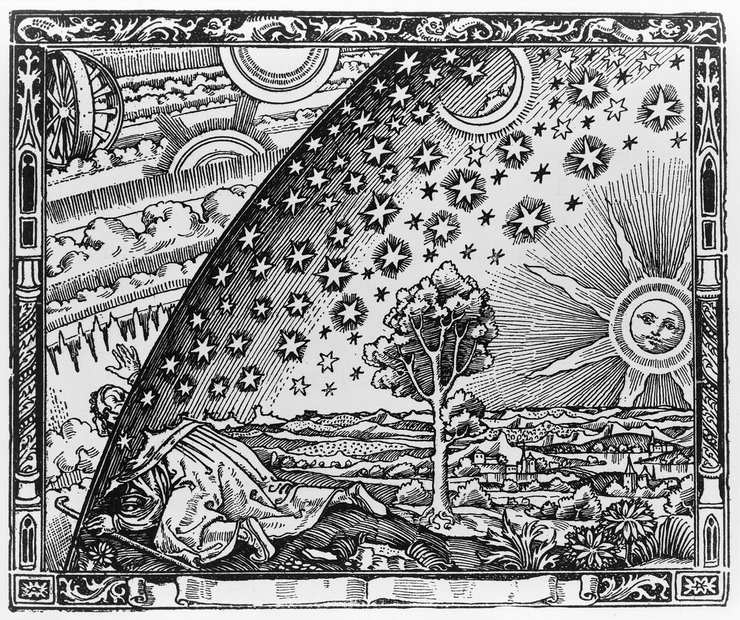
| The Flammarion engraving (L'atmosphère, p. 163) | 1888 | unknown engraver, for Camille Flammarion | Wikimedia Commons (art-lit-mars pack copy) | Public domain | source |
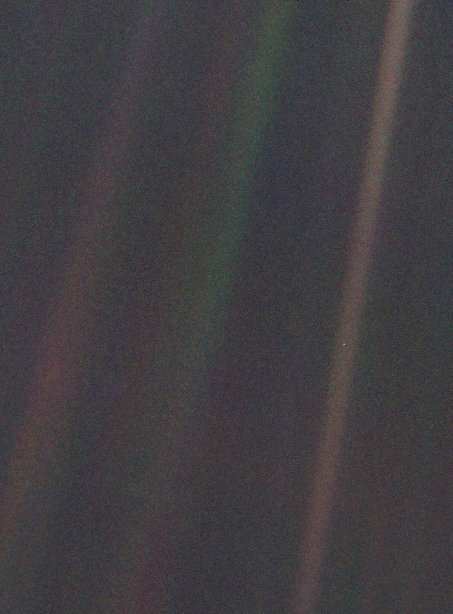
| Pale Blue Dot | 14 February 1990 | NASA / JPL, Voyager 1 | NASA on The Commons, via Wikimedia Commons | Public domain ("No restrictions") | source |
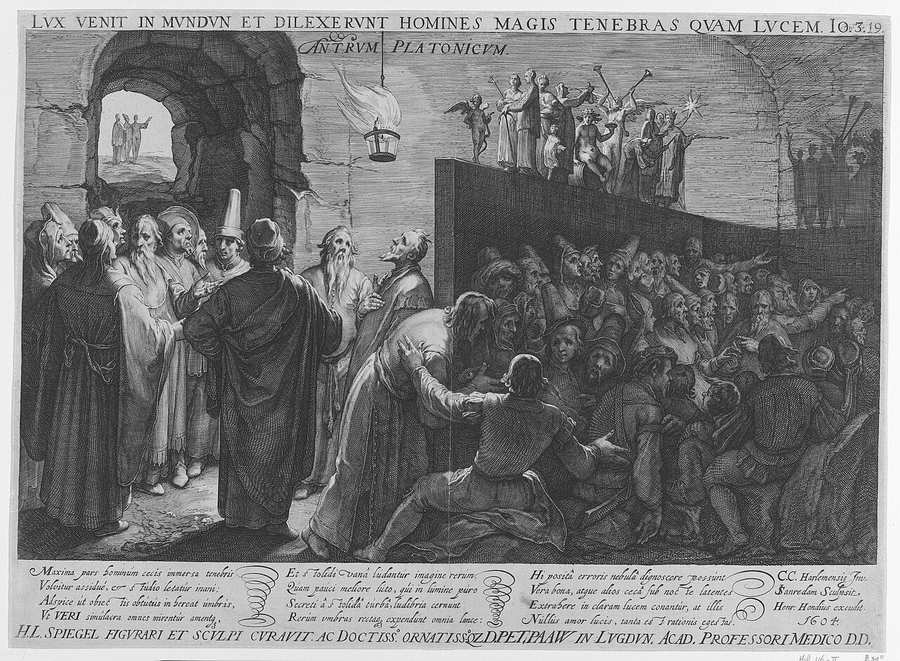
| Antrum Platonicum (Plato's cave) | 1604 | Jan Saenredam, after Cornelis Cornelisz. van Haarlem | Rijksmuseum RP-P-OB-10.544, via Wikimedia Commons | CC0 | source |
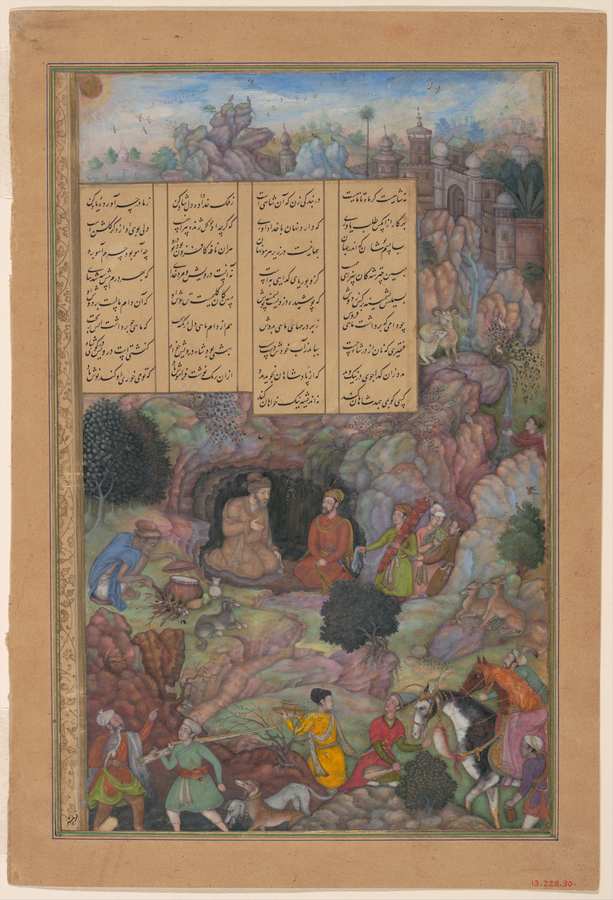
| "Alexander Visits the Sage Plato in his Mountain Cave", Folio from a Khamsa (Quintet) of Amir Khusrau Dihlavi | 1597–98 | Amir Khusrau Dihlavi (text) | The Met, Gift of Alexander Smith Cochran, 1913 | CC0 (Met Open Access) | source |
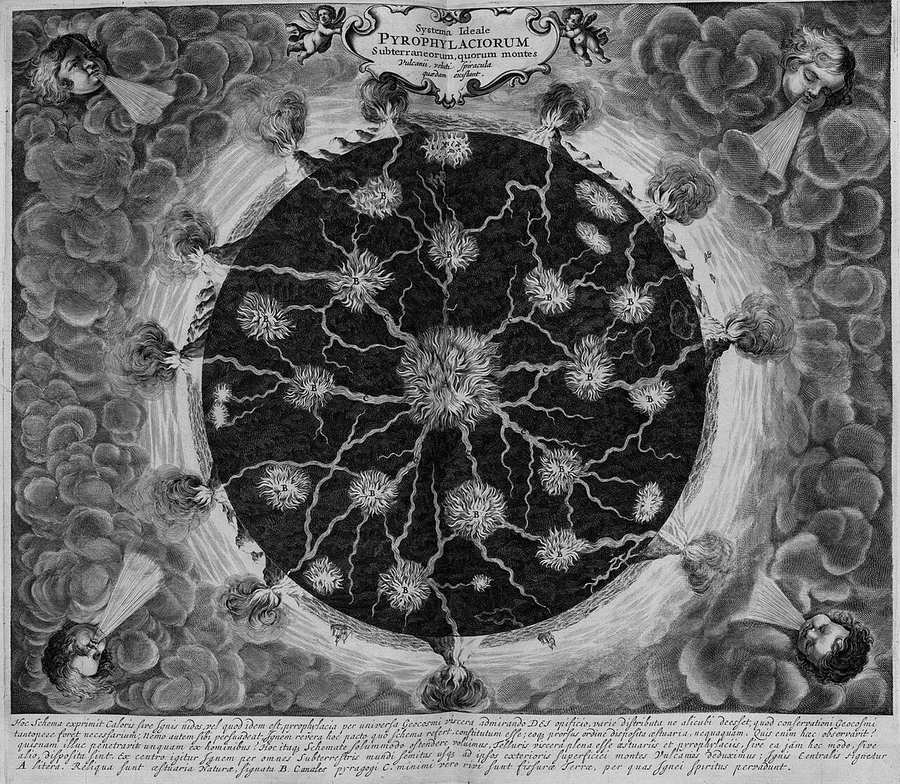
| Mundus Subterraneus: the fire channels | 1664–65 | Athanasius Kircher | Wikimedia Commons | Public domain | source |
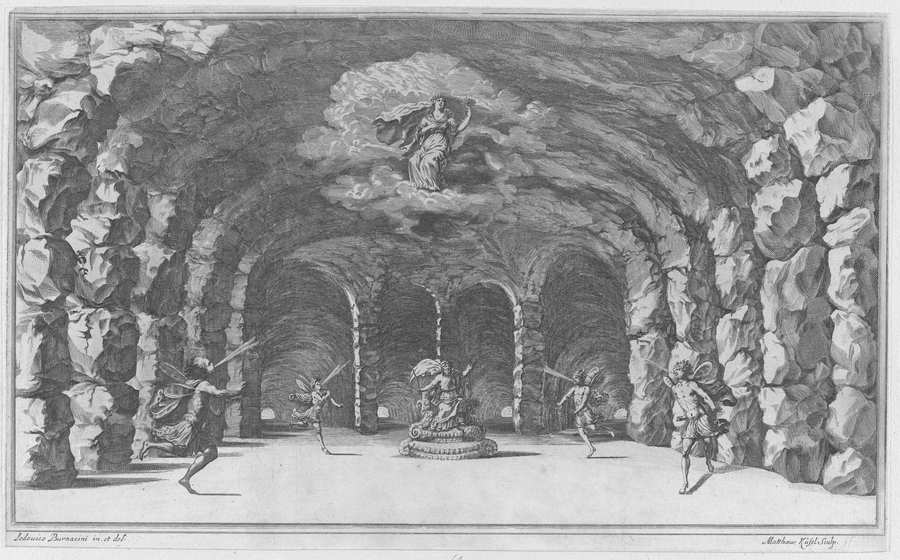
| Cavern of Aeolus, set design from 'Il Pomo D'Oro' | 1668 | Mathäus Küsel | The Met, Harris Brisbane Dick Fund, 1953 | CC0 (Met Open Access) | source |
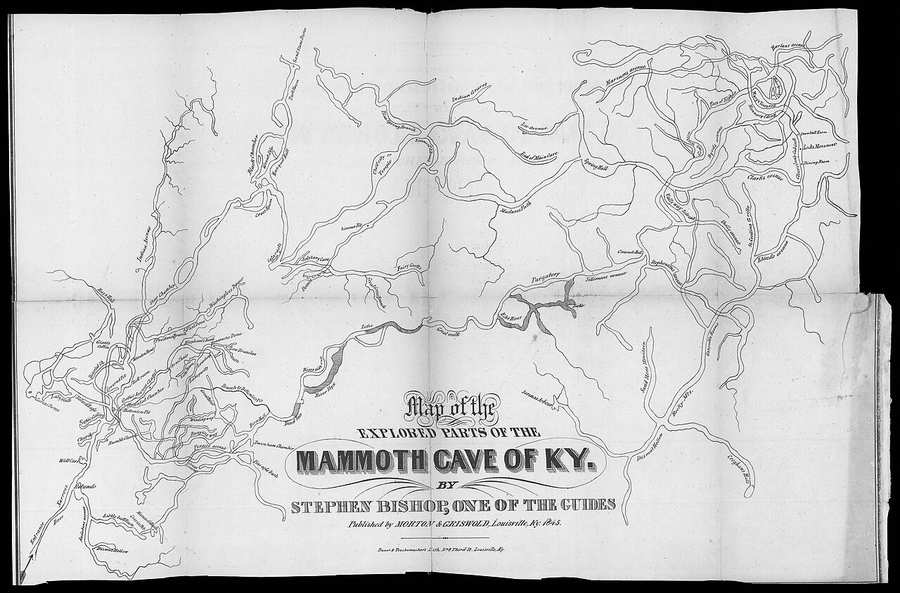
| Map of Mammoth Cave, drawn from memory in 1842 | 1842 (this printing 1845) | Stephen Bishop | Tennessee State Library and Archives, via Wikimedia Commons | Public domain | source |
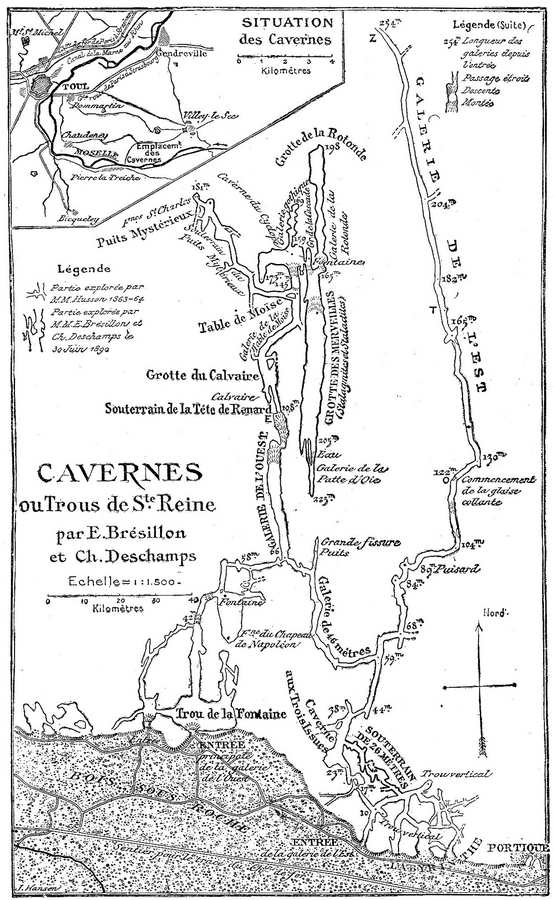
| Plan of the Sainte-Reine cave, Pierre-la-Treiche (Les abîmes) | 1894 | Édouard-Alfred Martel | Wikimedia Commons | Public domain | source |
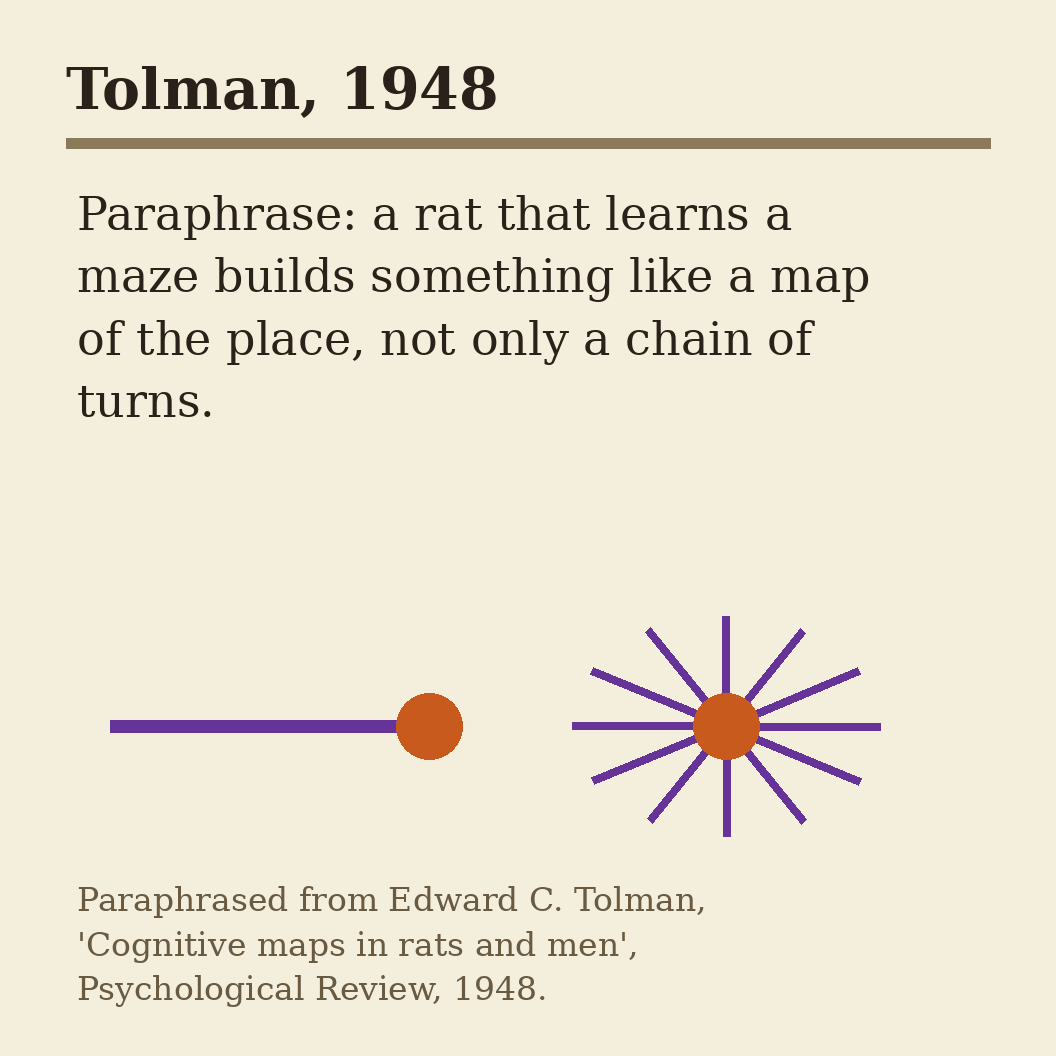
| Tolman's cognitive maps, a plate | drawn for this site | paraphrase of Edward C. Tolman (1948) | this site | drawn by script | drawn for this site |
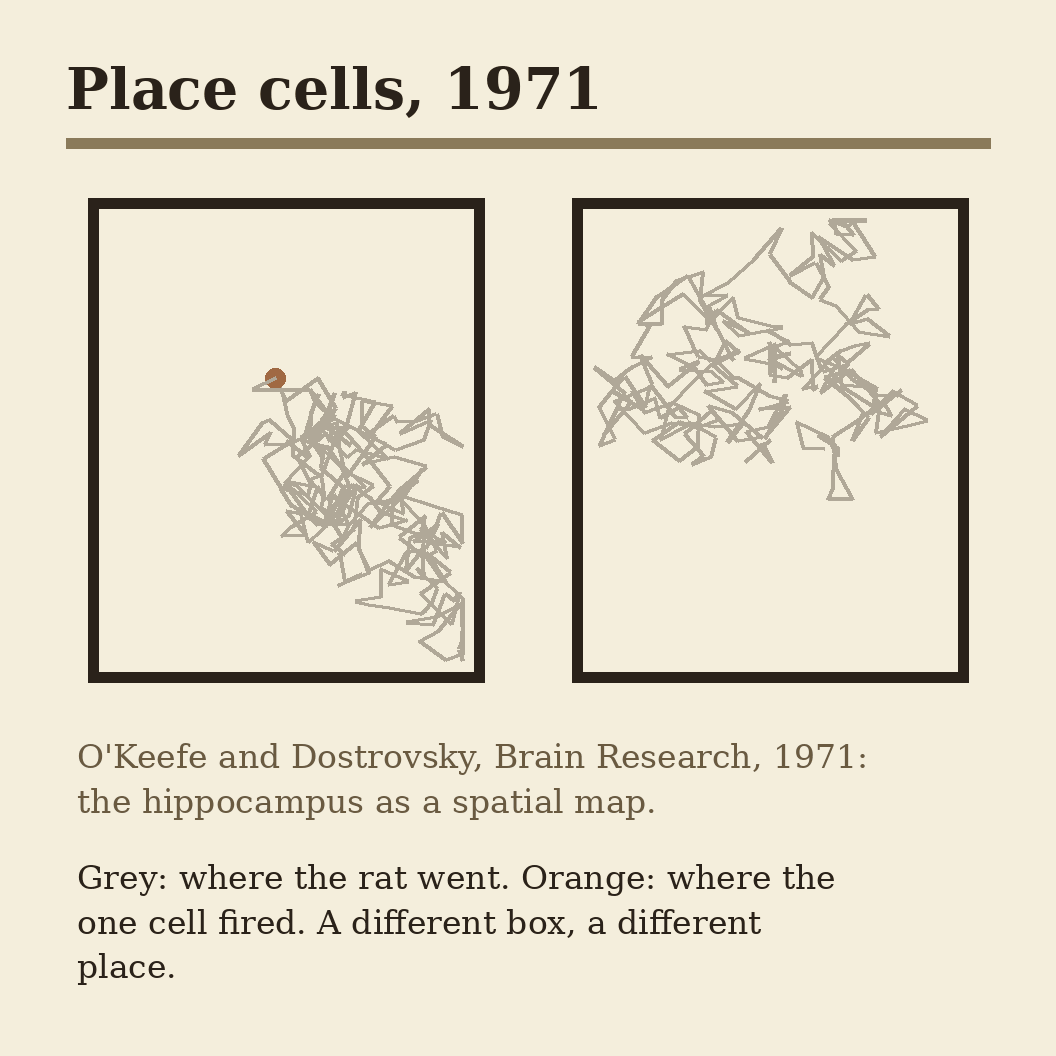
| Place cells, a plate | drawn for this site | after O'Keefe and Dostrovsky (1971) | this site | drawn by script | drawn for this site |
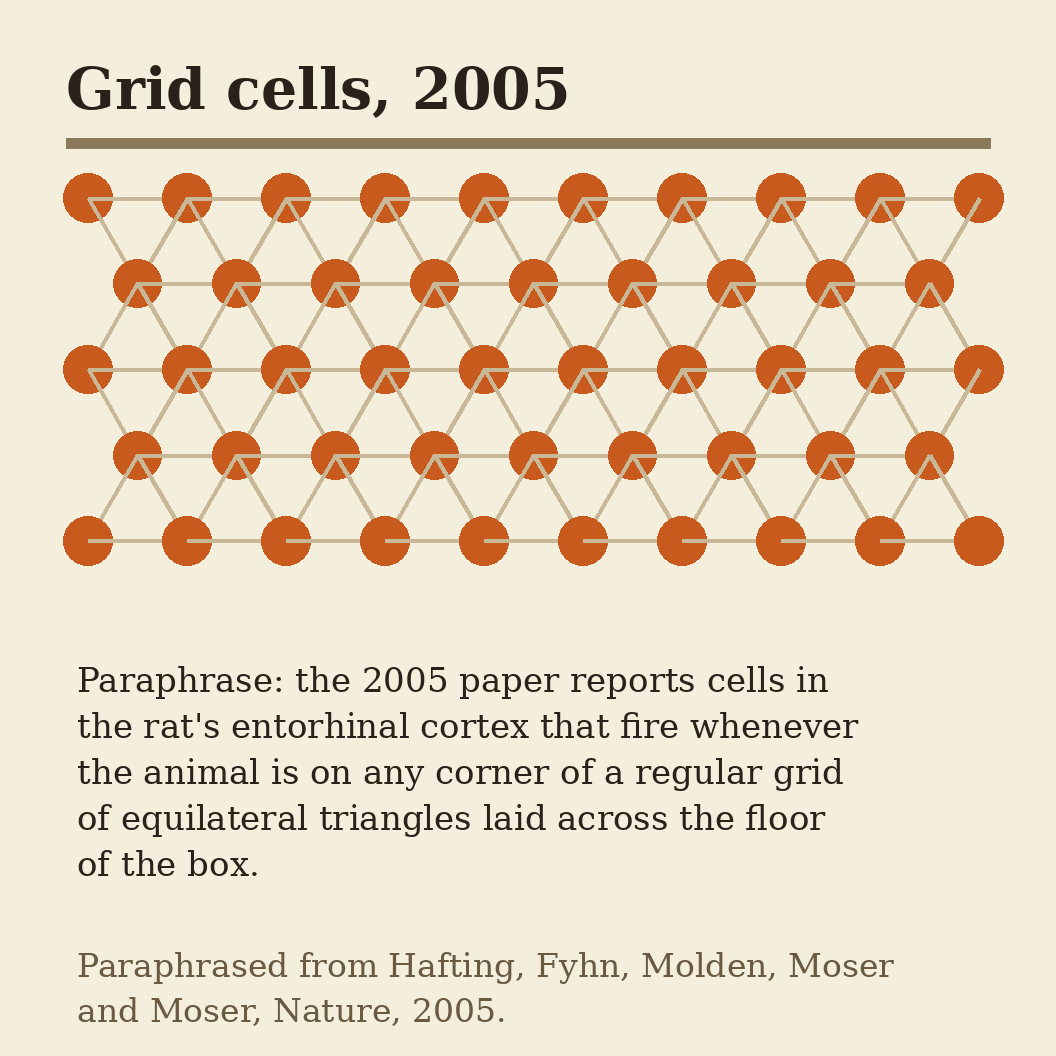
| Grid cells, a plate | drawn for this site | paraphrase of Hafting, Fyhn, Molden, Moser and Moser (2005) | this site | drawn by script | drawn for this site |
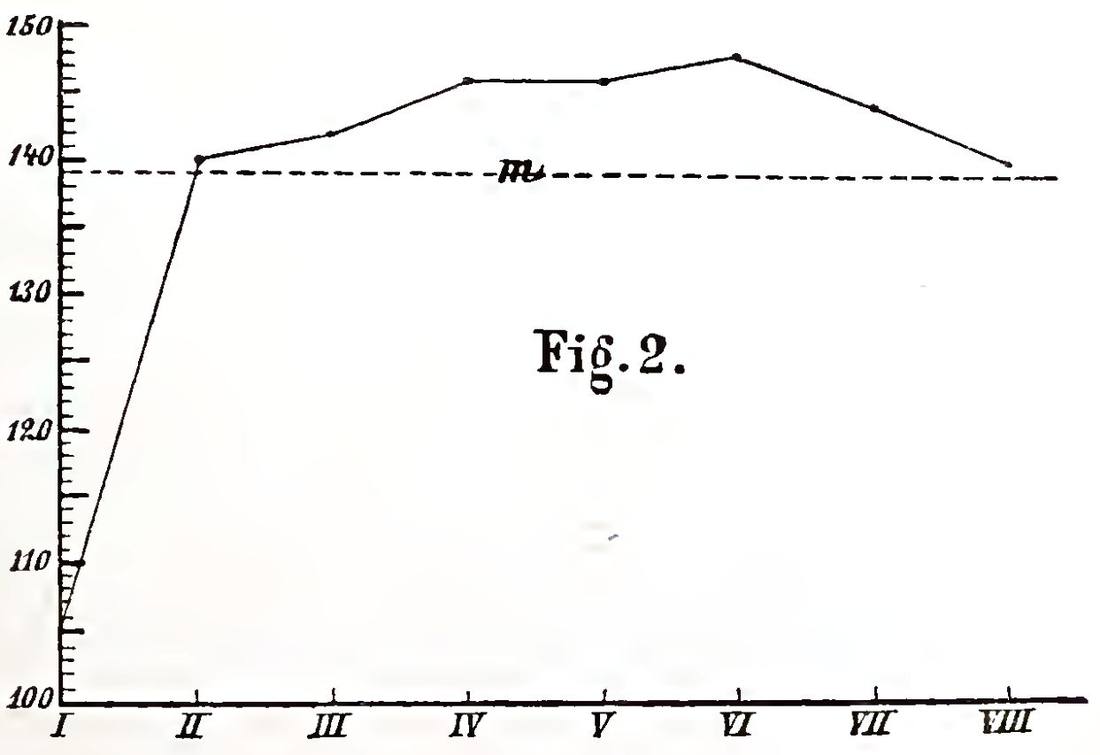
| Ebbinghaus, a figure from Über das Gedächtnis | 1885 | Hermann Ebbinghaus | Internet Archive scan berdasgedcht00ebbi, via Wikimedia Commons | Public domain | source |
| A shelf texture | drawn for this site | drawn by script | this site | drawn by script | drawn for this site |
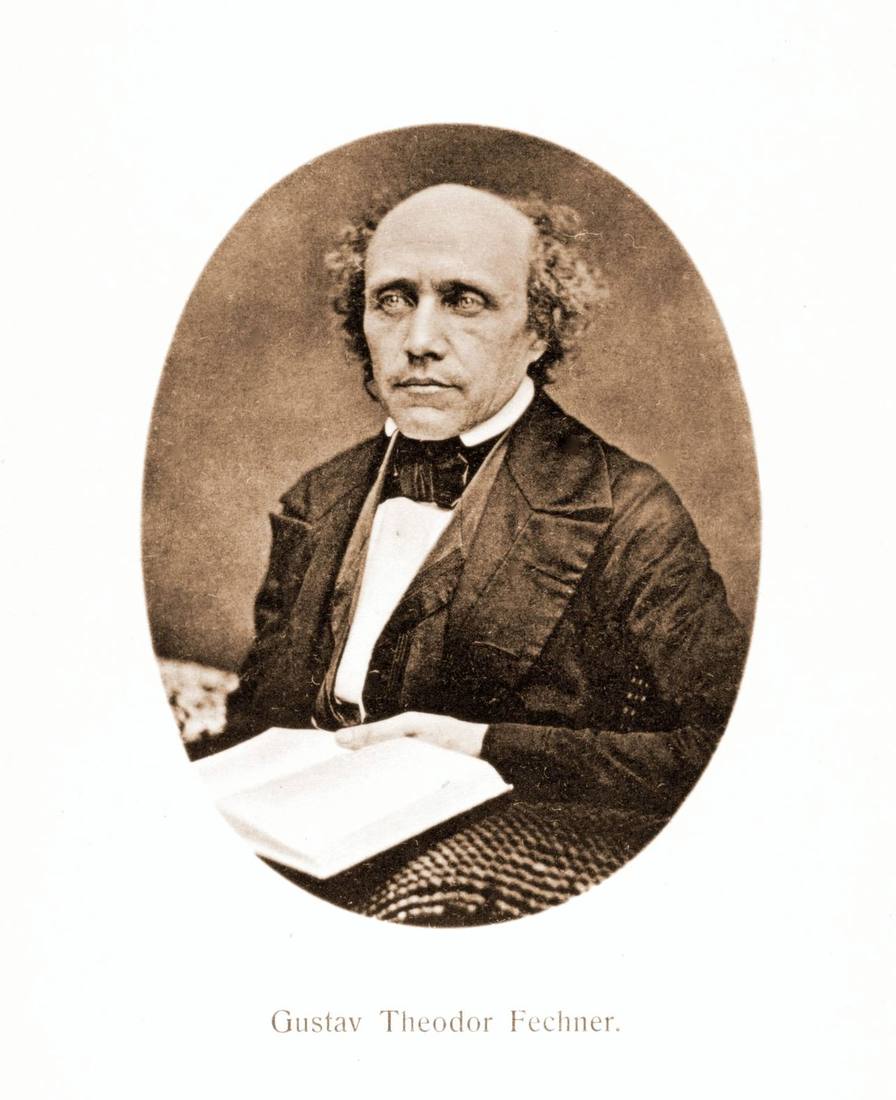
| Gustav Theodor Fechner, middle aged | 1905 (edition) | unknown; from P. J. Möbius, 1905 | Wikimedia Commons | Public domain | source |
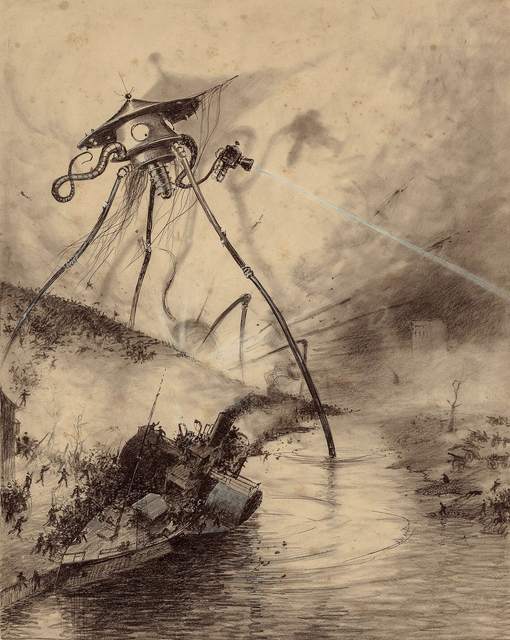
| The War of the Worlds, a fighting-machine in the Thames valley | 1906 | Henrique Alvim Corrêa | Wikimedia Commons | Public domain | source |
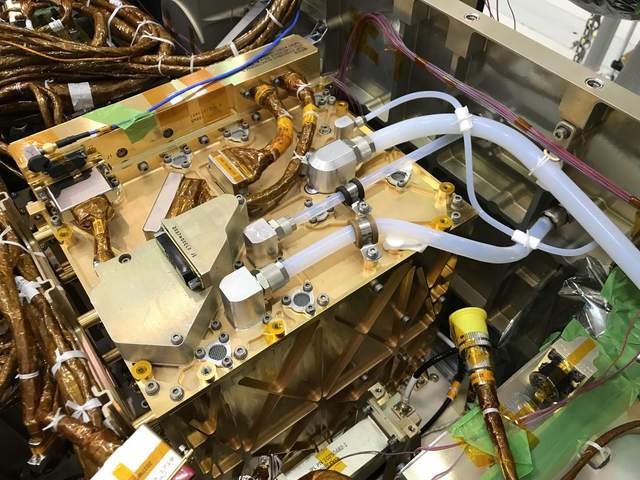
| MOXIE, before launch (PIA24203) | 2021 | NASA/JPL | NASA | Public domain | source |
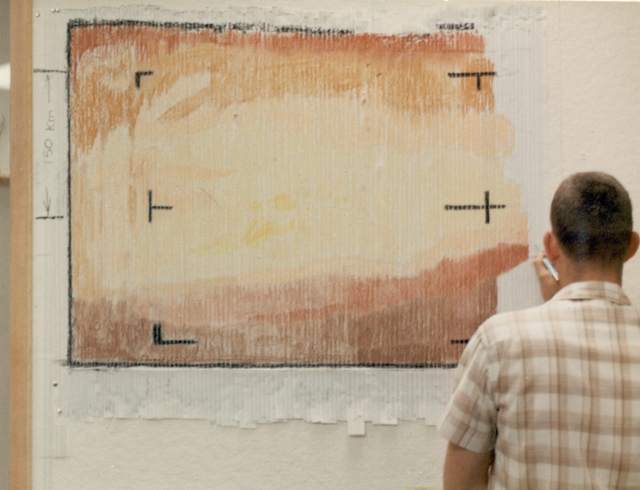
| First image from Mariner 4, hand-colored (GPN-2003-00060) | 1965 | NASA/JPL | Wikimedia Commons | Public domain | source |
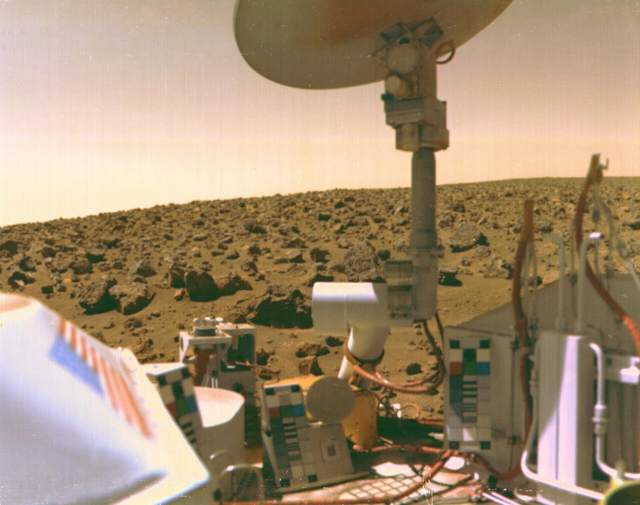
| Viking 2 on the surface | 1976 | NASA | Wikimedia Commons | Public domain | source |
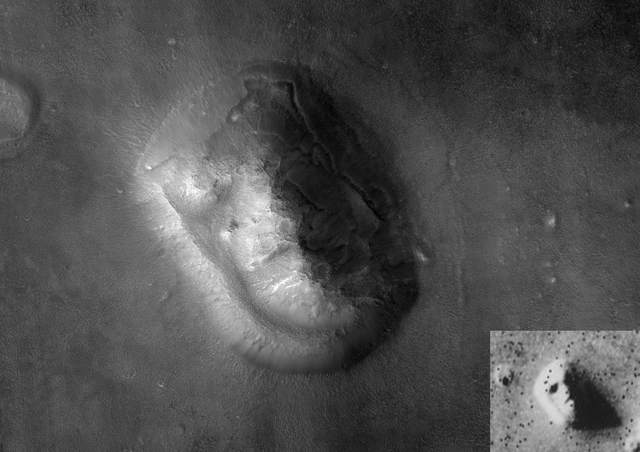
| The mesa in Cydonia, HiRISE PSP_003234_2210 with the Viking inset | 1976 and later | NASA/JPL/University of Arizona | Wikimedia Commons | Public domain | source |
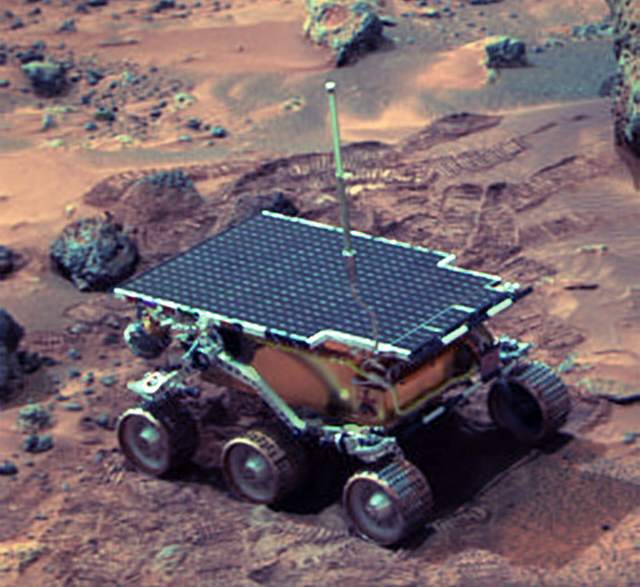
| Sojourner on Mars (PIA01122) | 1997 | NASA | Wikimedia Commons | Public domain | source |
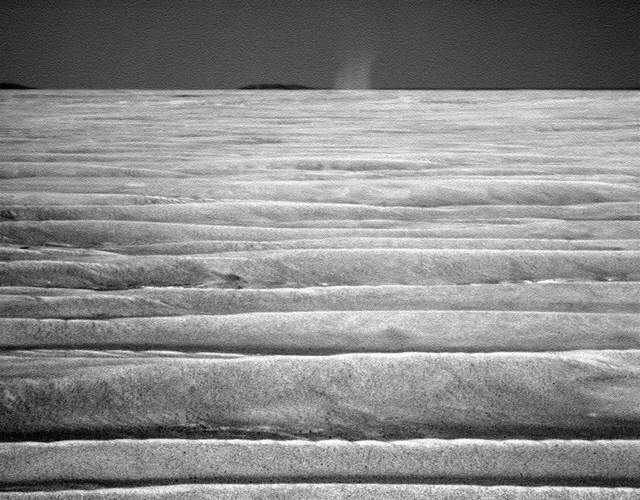
| A dust devil seen by Opportunity (PIA13305) | undated | NASA | Wikimedia Commons | Public domain | source |
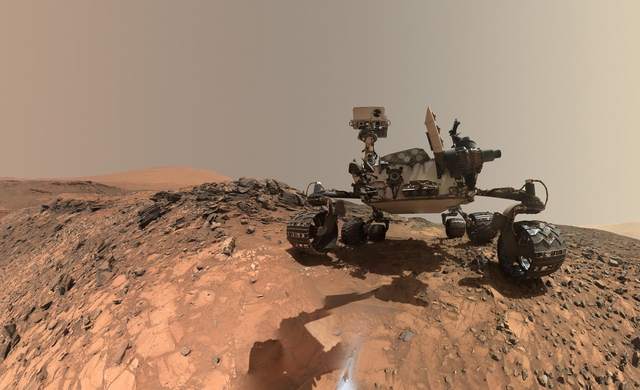
| Curiosity at Buckskin (PIA19808) | 2015 | NASA/JPL | NASA | Public domain | source |
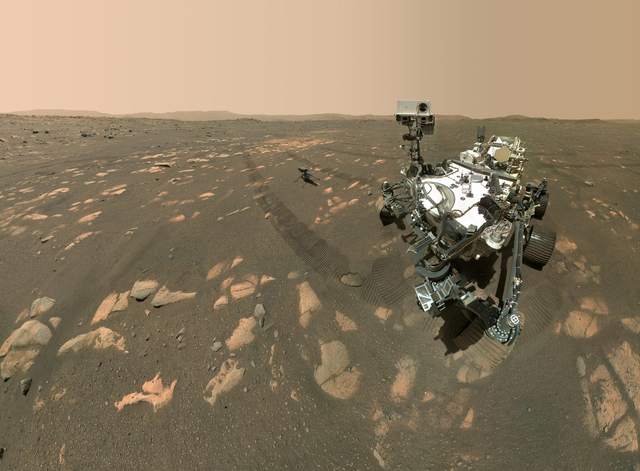
| Perseverance with Ingenuity (PIA24542) | 2021 | NASA/JPL | NASA | Public domain | source |
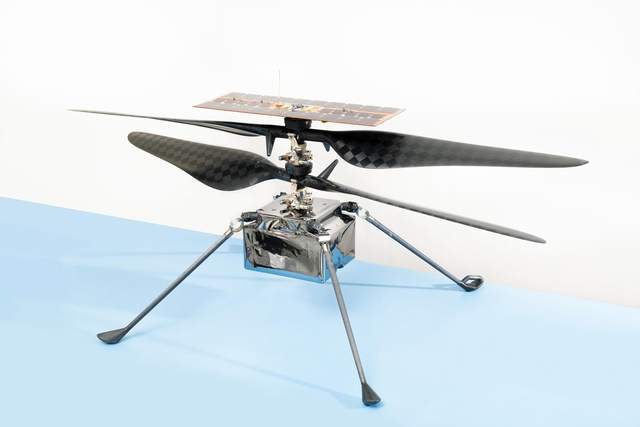
| Ingenuity flight model, on Earth (PIA23882) | 2020 | NASA/JPL | NASA | Public domain | source |
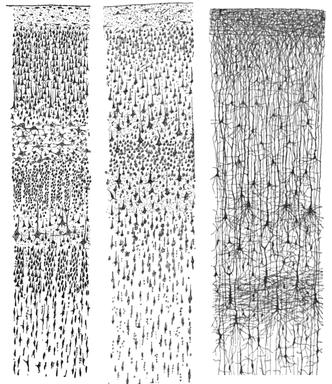
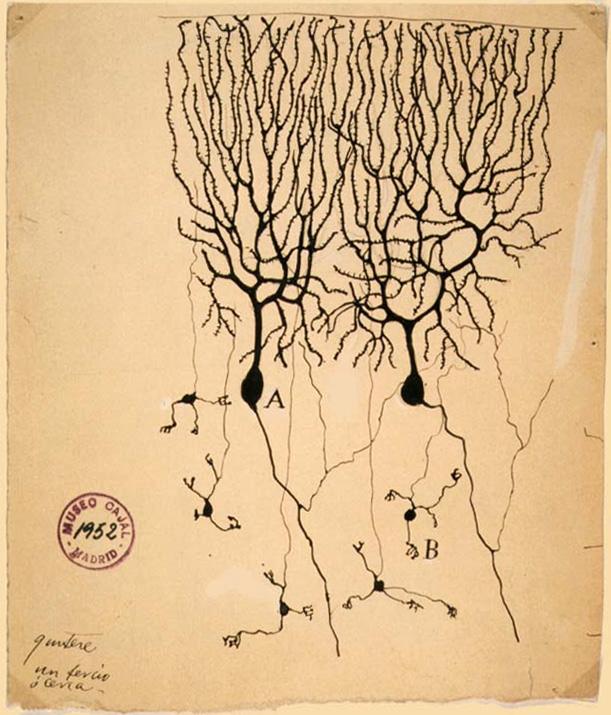
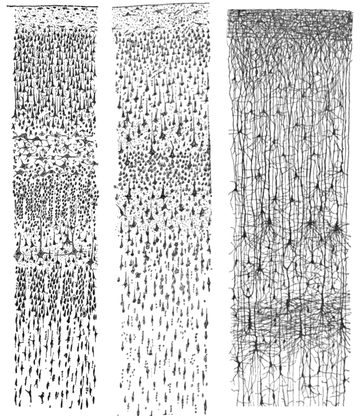
| Cajal, cortex drawings | before 1934 | Santiago Ramón y Cajal | Wikimedia Commons | Public domain (author died 1934) | source |
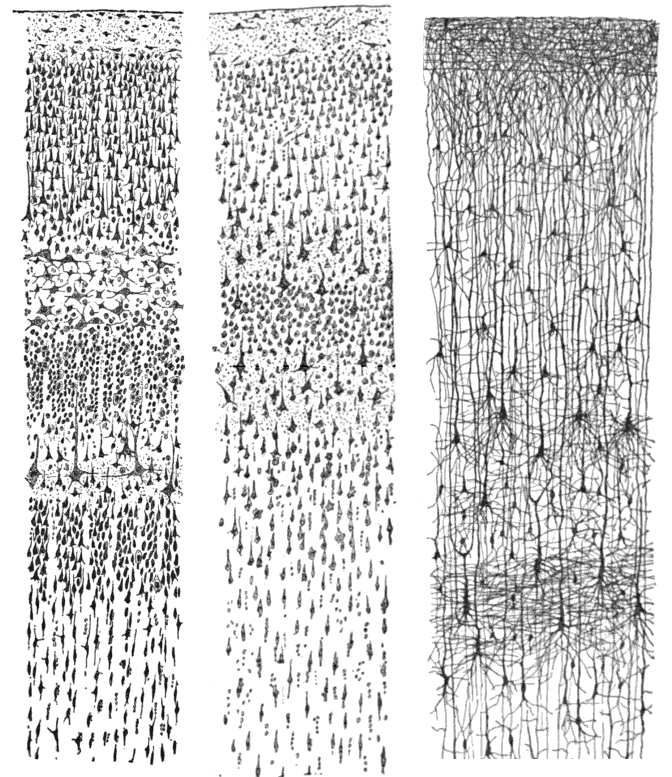
| Cajal, cortex drawings (closer) | before 1934 | Santiago Ramón y Cajal | Wikimedia Commons | Public domain (author died 1934) | source |
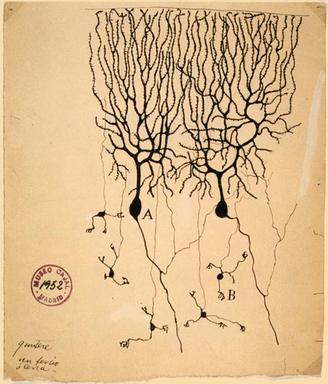
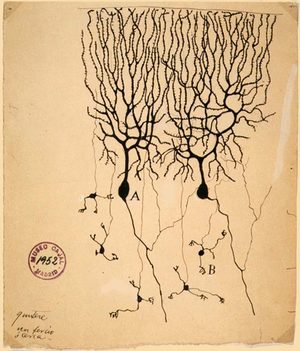
| A Purkinje cell | 1899 | Santiago Ramón y Cajal | Wikimedia Commons | Public domain | source |
| A Purkinje cell (closer) | 1899 | Santiago Ramón y Cajal | Wikimedia Commons | Public domain | source |
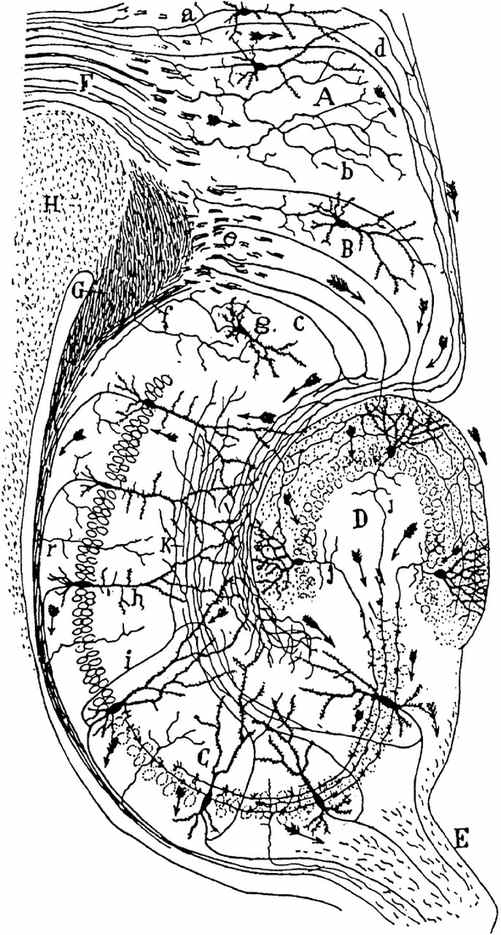
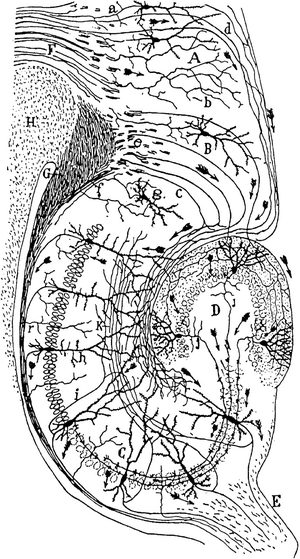
| Hippocampus | 1911 | Santiago Ramón y Cajal | Wikimedia Commons | Public domain | source |
| Hippocampus (closer) | 1911 | Santiago Ramón y Cajal | Wikimedia Commons | Public domain | source |
| Cerebellum | 1905 | Santiago Ramón y Cajal | Wikimedia Commons | Public domain | source |
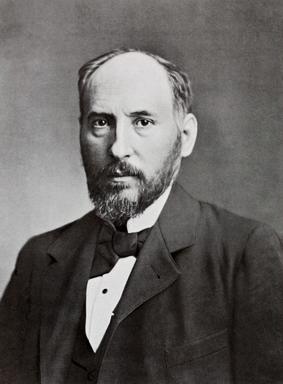
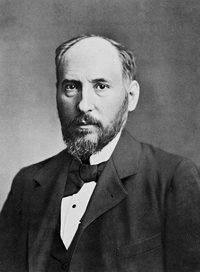
| Santiago Ramón y Cajal | about 1899 | unknown photographer; restored portrait | Wikimedia Commons | Public domain | source |
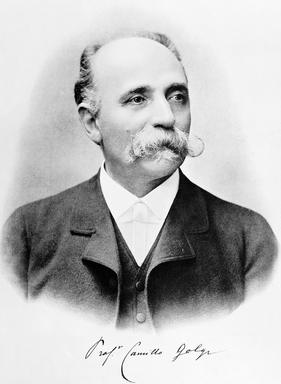
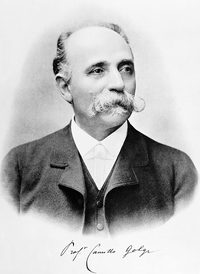
| Camillo Golgi | before 1926 | unknown photographer | Wikimedia Commons | Public domain (author died 1926) | source |
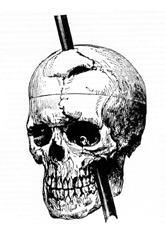
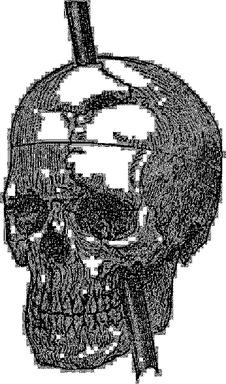
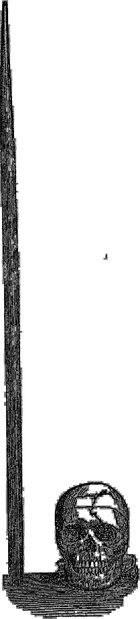
| Phineas Gage, skull diagram | 1868 | John Martyn Harlow | Wikimedia Commons | Public domain | source |
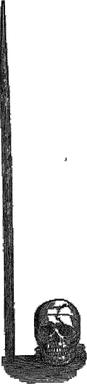
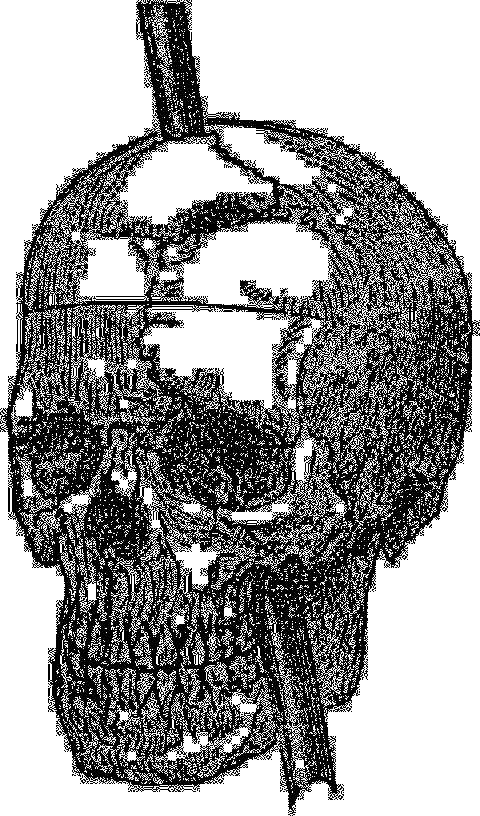
| Harlow 1868, figure 1 | 1868 | John Martyn Harlow | Wikimedia Commons | Public domain | source |
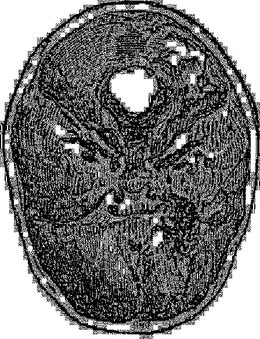
| Harlow 1868, figure 2 | 1868 | John Martyn Harlow | Wikimedia Commons | Public domain | source |
| Harlow 1868, figure 2 (closer) | 1868 | John Martyn Harlow | Wikimedia Commons | Public domain | source |
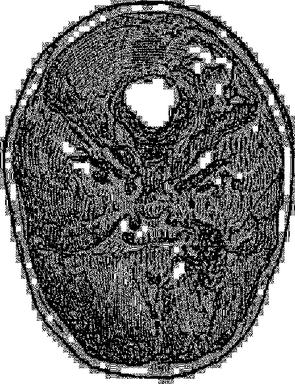
| Harlow 1868, figure 3 | 1868 | John Martyn Harlow | Wikimedia Commons | Public domain | source |
Quotations are public domain translations and editions, each linked where it appears: Project Gutenberg, sacred-texts.com, Wikisource. Tao Te Ching and I Ching: James Legge. Modern writers appear only as paraphrase and say so.
The entrance hall lintel says WE KEEP THE LIGHT. Those are our own words, written for that doorway. They are not a quotation and not attributed to anyone else. The painting in the same hall (hall_painting_01, titled The hall, again): Original painting made for the Institute (machine-made), 2026. It is not a copy of an older work and has no public-domain source.
The plan of the stair is drawn for this site. On the stone: Proverbs 11:1, Leviticus 19:35–36 and Job 38:5 from the King James Version (Project Gutenberg); Wisdom of Solomon 11:20 from the King James text of the Apocrypha (Project Gutenberg, Deuterocanonical Books of the Bible); Plato, Theaetetus, tr. Benjamin Jowett (Project Gutenberg); Lord Kelvin, “Electrical Units of Measurement” (1883), in Popular Lectures and Addresses, vol. 1 (1889) (Internet Archive); the definition of the metre, 17th CGPM (1983), Resolution 1 (BIPM). Higher up, I. J. Good, Stanislaw Ulam, Vernor Vinge, Nick Bostrom, Robin Hanson, Brandon Carter, Isaac Asimov and Arthur C. Clarke appear only as paraphrase or allusion, and say so.