
|
Archive: Harlow, Recovery from the passage of an iron bar through the head, 1868
what it is, and where to read it A case report in the public domain, transcribed at Wikisource. It completes Harlow's shorter report of 1848, written while Gage was recovering. what it says Harlow gives the accident, the iron, measured to the quarter inch, the recovery, and the change: “three feet seven inches in length, one and one-fourth inches in its largest diameter, and weighs thirteen and one-fourth pounds” “His contractors, who regarded him as the most efficient and capable foreman in their employ previous to his injury, considered the change in his mind so marked that they could not give him his place again.” He follows Gage to Chile and back to San Francisco, and to his death from convulsions, and describes the skull, which he had brought east and deposited at Harvard. what's contested How great the change was and how long it lasted. Macmillan found that later retellings far outran Harlow; Harlow himself records years of skilled work abroad. Harlow's date of death, 1861, is a year late. methodological critiques No autopsy of the brain; a personality change reported second-hand by friends and employers; and a physician writing twenty years on with the skull in hand. Reconstructions disagree on whether one or both frontal lobes were damaged (Damasio et al., 1994)(Ratiu et al., 2004). later reception The case was used, often loosely, as evidence that the frontal lobes govern personality and conduct. See the oddity page for the story that grew. in the tour: the room called "The patients' room" has a placard called "Phineas Gage, 1823–1860" ··· References
see also
|
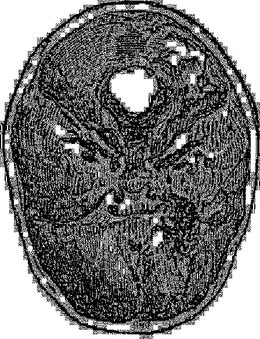
 wenty years after the accident, John Martyn Harlow read a paper to the Massachusetts Medical Society on what had become of his patient Phineas Gage, and showed them the skull and the iron (


 |
 |
 |
 |
 |
rev. Oct 24 2026